All Samples
Graphic Design·1 tool · 8 outputs

80s-Inspired Poster

Effortlessly generate high-contrast, text-heavy 80s-style posters and magazine covers with precise color grading and authentic film artifact textures.
StyleRef encodes the visual or tonal style from the source reference into a structured format — reusable across every prompt, every generation.
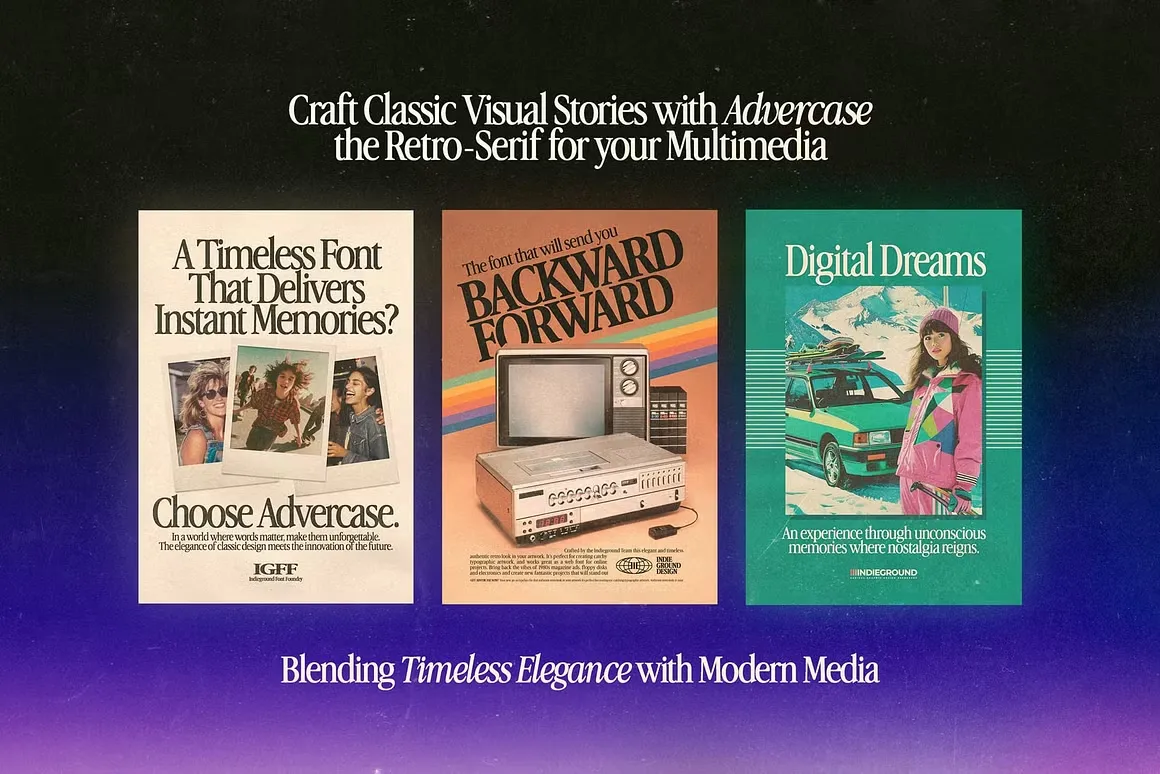
StyleRef
• Output Format: Creative discipline: Graphic design; Digital; Delivery mode: Still. • Mood & Personality: Nostalgic, Elegant, Sophisticated, Cinematic, Retro-advertising, Slightly dramatic; Emotional bias: Positive; Tone register: Performative; Representation mode: Literal; Full scene narrative; Characters: Allowed (detailed). • Colors: Palette: Solid Colors: [ #0B0B0C 25%, #F2E7D6 25%, #F6B400 10%, #1D2A68 10%, #2BAE9E 10%, #EE6AA7 10%, #E48A3A 10%]. Gradients: [AI Gradient 1 (#F2E7D6 0% -> #5A4AE3 55% -> #E85BA6 100%)]; 6–8 colors; Saturation: Mostly rich/vivid accents over muted/sepia neutrals; High contrast; Gradients as accents; Shadow Color: Hue-shifted; Black/White point: Lifted blacks + Rolled-off highlights. • Typography: Serif; Regular, Bold, (also Italic and Bold Italic shown); Text case: Title Case, ALL CAPS (varies by headline); Font pairing: Single family; Hierarchy: Strong contrast; Tight to normal; stacked headline lines with minimal leading; Letter spacing: Normal; Text presence: Required; Text visual role: Primary visual driver; Text integration: Mostly separate on top of imagery/gradients; occasional overlaid poster-style. • Light & Shadow: Lighting mood style: Situational, filmic/retro print-ad lighting; Color grading style: Film emulation; Atmospheric density: Hazy; Lighting presence: Explicit. • Spatial Structure & Hierarchy: Mix of dramatic architectural perspective (upward skyscraper) and flat poster layouts perspective; Single focal structure; Hierarchy: Strong; Symmetry: Mostly center-weighted, near-symmetry in headline compositions; Layout axis: Vertical; Grid system: Poster/print-ad grid; centered headline blocks with small supporting copy; Visual density: Airy backgrounds with dense headline typography. • Surface, Material & Detail: Material simulation: Paper; Surface treatment: Matte; Texture: Grain, Noise, Subtle dust/speckling, Print/scan wear, Slight vignette darkening; Texture usage: Subtle noise; Imperfection level: Used; Realistic; Micro-detail allowance: Allowed; Age of surface: Aged. • Background & Environment: Background type: Environment + gradient backdrops + solid/texture paper fields; Environment mood: Studio (type specimen) + Exterior (city/architecture) + Retro product-tabletop scenes; Background–Subject: Contrasting (bright serif type against dark/colored fields) and contextual (retro devices/posters); Background complexity: Moderate; Prop styling: Curated retro tech props (CRT/computer/keyboard), magazine spreads, gig-poster ephemera. • References: Temporal reference: 1980s; Y2K (gradient glow moments), Retro print advertising/editorial, Gig-poster culture, Film-title typography; Reference Brands: Indieground Design (Advercase type specimen campaign). • Hero type treatment: Oversized high-contrast serif headlines; tight stacking; dramatic word breaks; type dominates 60–80% of frame, Retro print artifacts: Film/scan grain, specks, slight fading, lifted blacks, gentle vignetting; avoid clean digital flatness, Accent color logic: Muted sepia/cream base + one bold accent (gold, teal, magenta, cobalt) used for impact or gradient glow, Specimen + poster hybrid layouts: Type specimen panels (alphabet/weights) mixed with cinematic poster mockups and retro product scenes, Photography/imagery integration: Use retro devices, city architecture, and collaged gig posters as backplates; keep headline type crisp on top.
This StyleRef is prepended to every prompt shown below — that's what keeps every output consistent.
About This Style
The 80s-Inspired Poster StyleRef demonstrates how complex, mixed-medium typographic layouts can be generated predictably. It captures the essence of classic typography specimen lookbooks and retro advertising, defined by deep sepia backgrounds, film grain textures, and vivid accent color gradients.The core rules encoded within this style—such as oversized serif typography, extreme high contrast, selective gradient glows, and dramatic cinematic lighting—ensure that the generated images never fall flat or look too digital. Instead, they evoke the tactile nature of aged paper and authentic era-accurate artifacts.From editorial fashion covers to edgy sci-fi VR product posters, this style forces AI generators to treat text as the primary visual driver rather than an afterthought, making it an incredibly powerful tool for graphic designers, creative directors, and brand marketers looking to serialize retro-themed campaigns without tedious Photoshop assembly.
03 — AI Outputs

Same StyleRef. Different Prompts. Consistent Results.

Generated with

ChatGPT

Image Generation
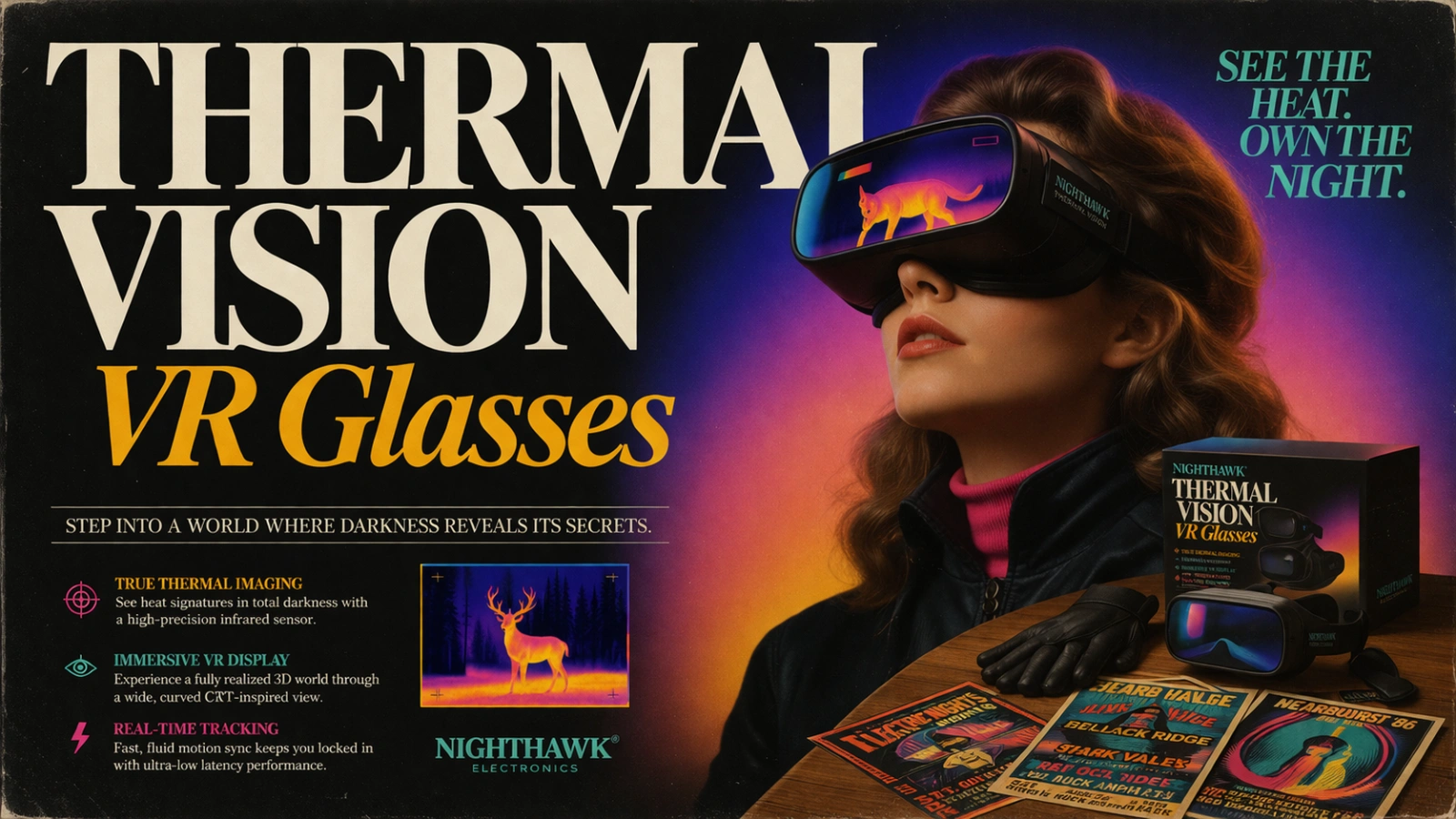
ChatGPT output 1
Prompt
StyleRef ✓+Design a poster for a Thermal Vision VR Glasses
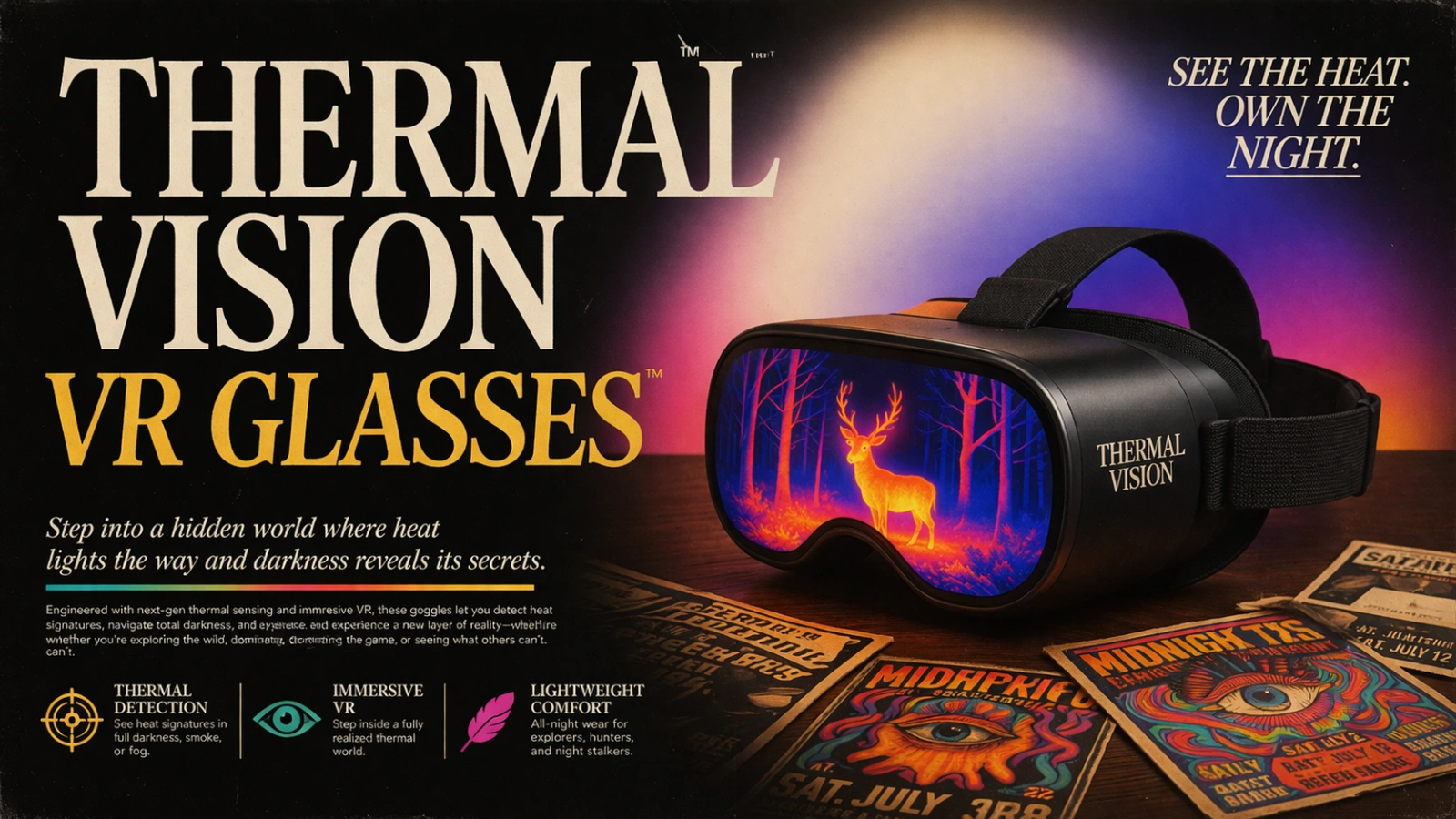
ChatGPT output 2
Prompt
StyleRef ✓+Design a poster for a Thermal Vision VR Glasses
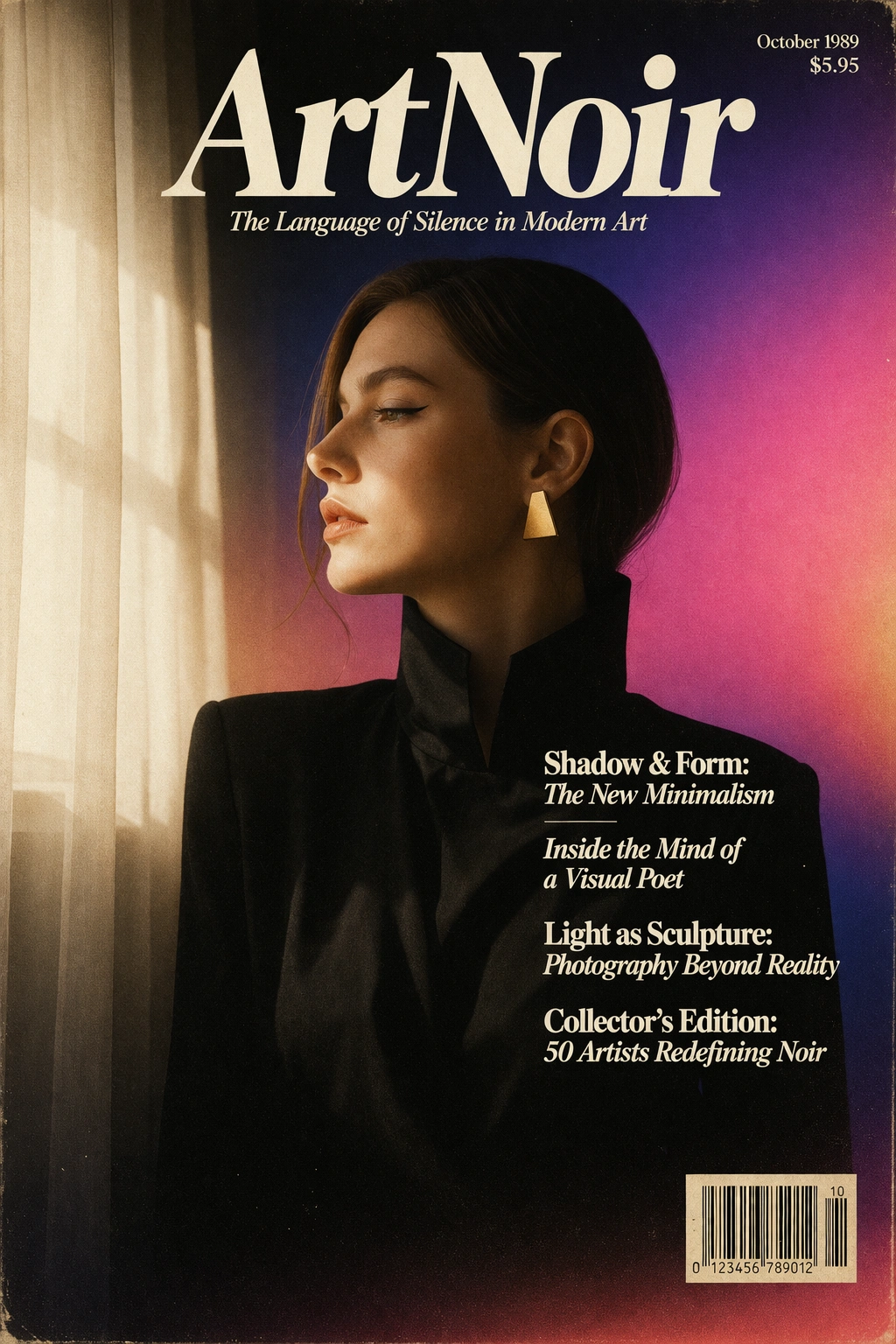
ChatGPT output 3
Prompt
StyleRef ✓+Vertical magazine cover titled “ArtNoir”. A woman positioned slightly off-center, shown from the chest up, facing sideways in profile, not looking at the camera. Issue date and price in a corner Barcode at the bottom corner
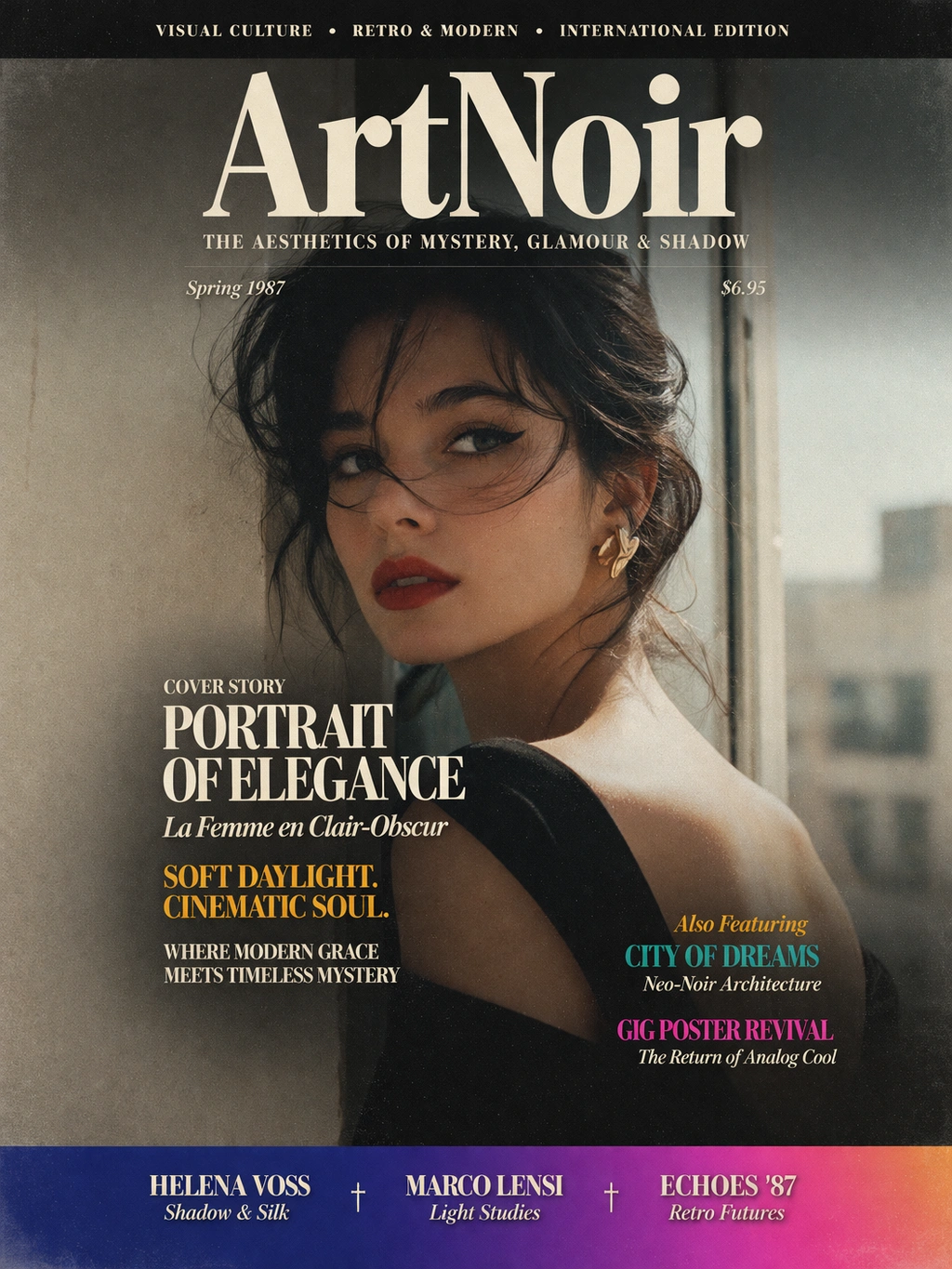
ChatGPT output 4
Prompt
StyleRef ✓+Design a vertical magazine cover, titled ArtNoir with a aesthetic portrait of a woman looking sideways, soft daylight, modern fine art photography
ChatGPT output 5
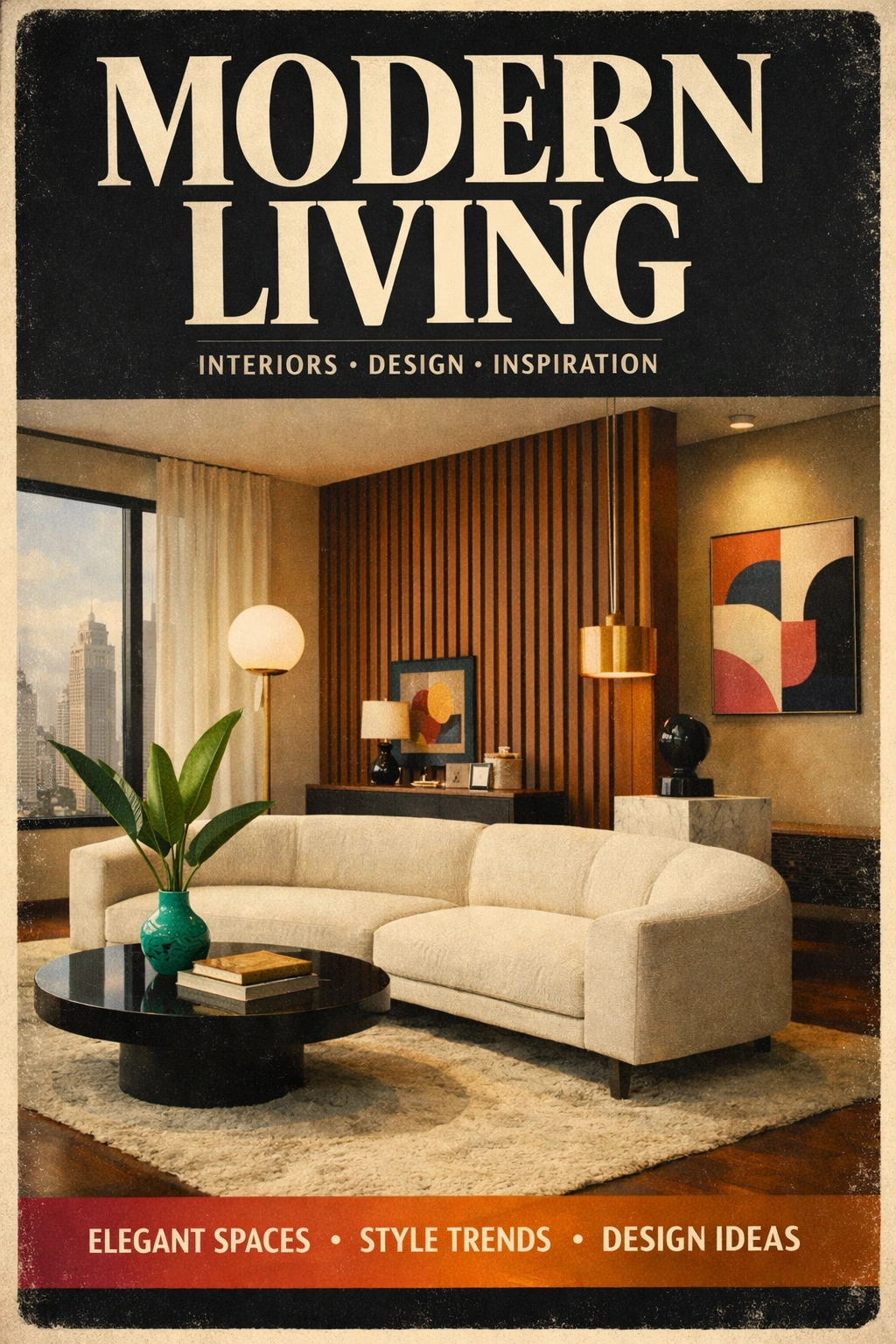
Prompt
StyleRef ✓+Design a vertical minimal magazine cover with an photo-realistic quality of an modern interior design
ChatGPT output 6
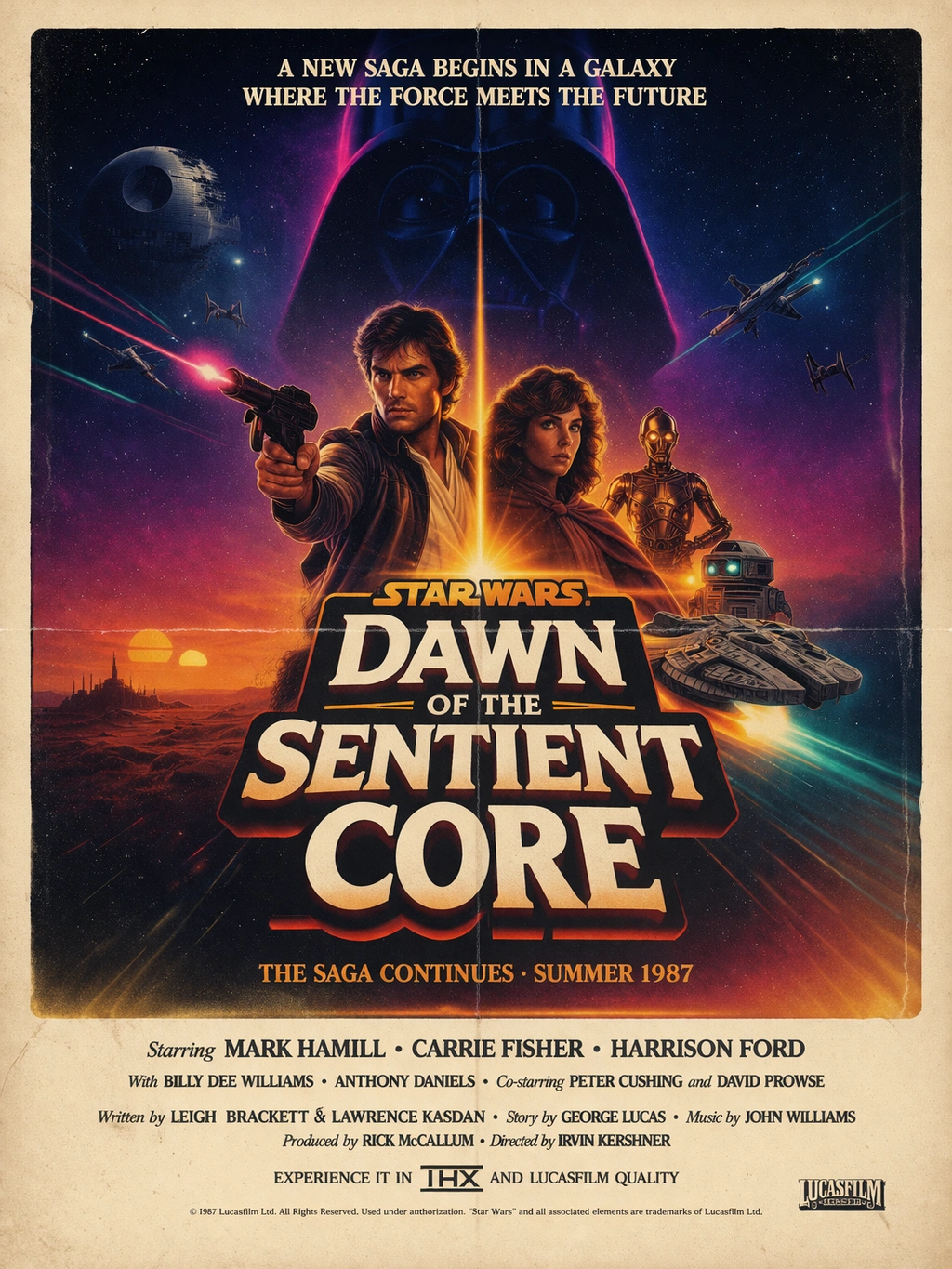
Prompt
StyleRef ✓+A 2:3 movie poster featuring AI in the iconic Star Wars era is impressive and demands significant attention. The poster must have a wow factor.
ChatGPT output 7
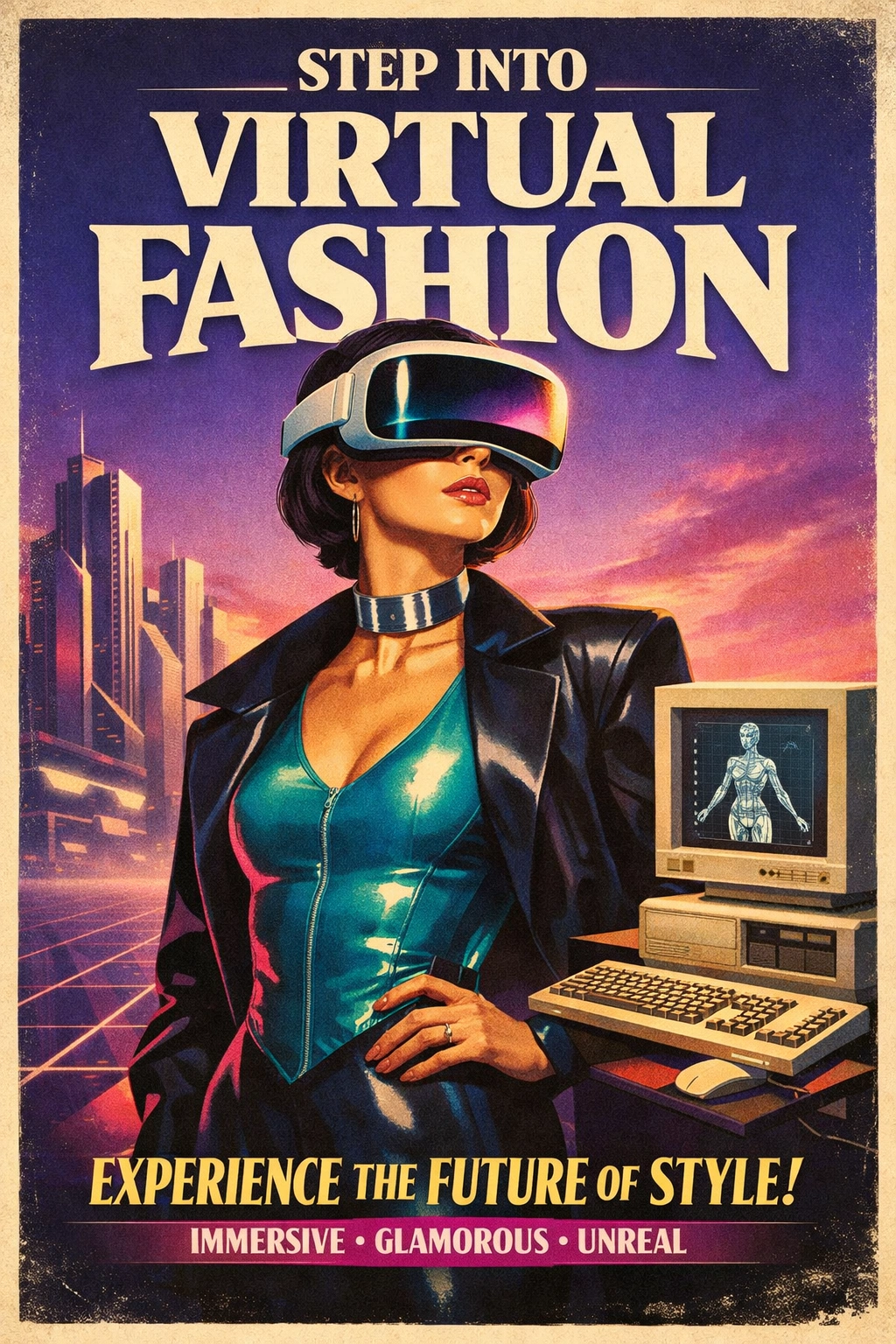
Prompt
StyleRef ✓+A Virtual Fashion advertisement , 2:3, bold
ChatGPT output 8
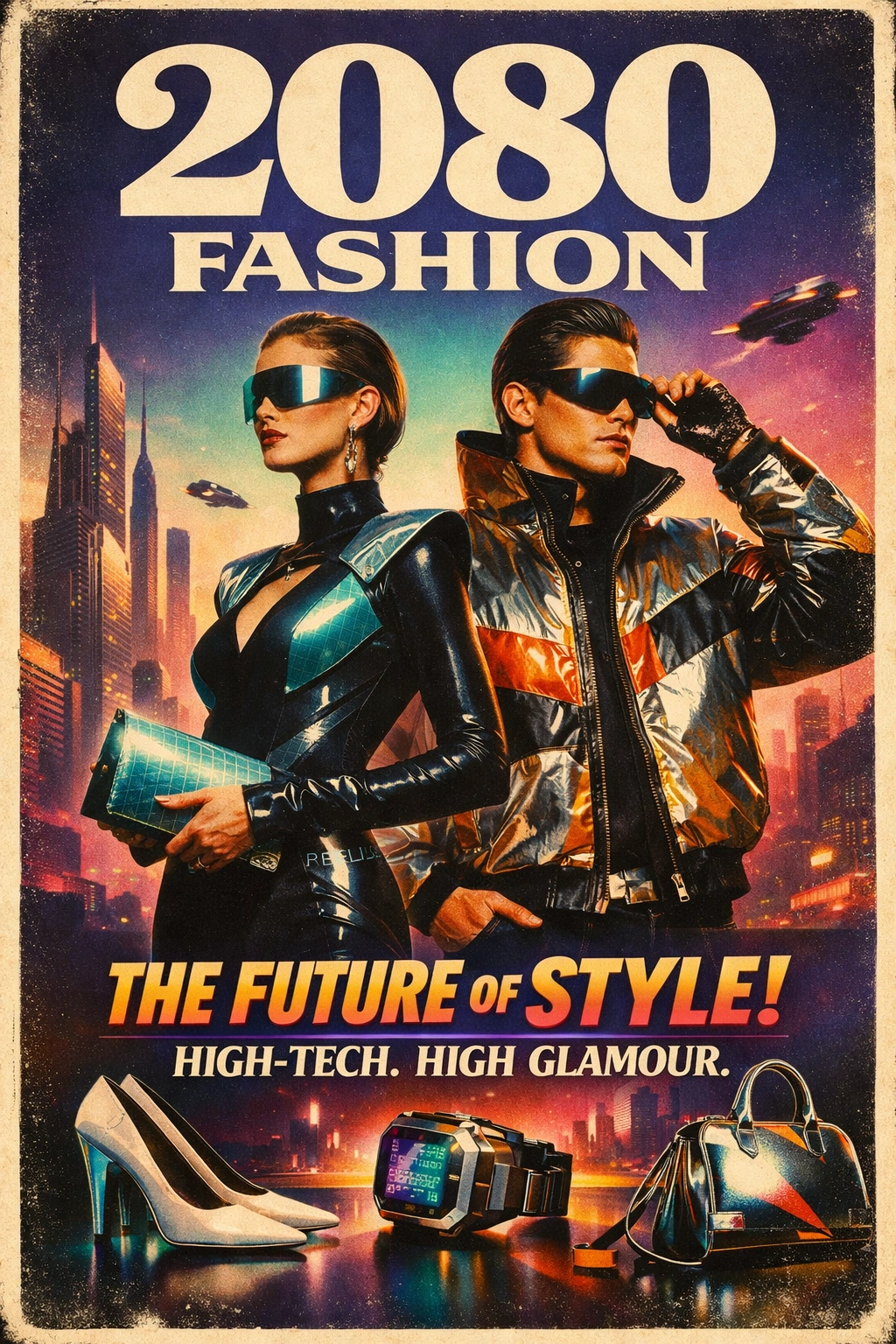
Prompt
StyleRef ✓+A 2080 Fashion advertisement , 2:3 bold,
Use this StyleRefCopy and paste into your AI tool of choice.
• Output Format: Creative discipline: Graphic design; Digital; Delivery mode: Still. • Mood & Personality: Nostalgic, Elegant, Sophisticated, Cinematic, Retro-advertising, Slightly dramatic; Emotional bias: Positive; Tone register: Performative; Representation mode: Literal; Full scene narrative; Characters: Allowed (detailed). • Colors: Palette: Solid Colors: [ #0B0B0C 25%, #F2E7D6 25%, #F6B400 10%, #1D2A68 10%, #2BAE9E 10%, #EE6AA7 10%, #E48A3A 10%]. Gradients: [AI Gradient 1 (#F2E7D6 0% -> #5A4AE3 55% -> #E85BA6 100%)]; 6–8 colors; Saturation: Mostly rich/vivid accents over muted/sepia neutrals; High contrast; Gradients as accents; Shadow Color: Hue-shifted; Black/White point: Lifted blacks + Rolled-off highlights. • Typography: Serif; Regular, Bold, (also Italic and Bold Italic shown); Text case: Title Case, ALL CAPS (varies by headline); Font pairing: Single family; Hierarchy: Strong contrast; Tight to normal; stacked headline lines with minimal leading; Letter spacing: Normal; Text presence: Required; Text visual role: Primary visual driver; Text integration: Mostly separate on top of imagery/gradients; occasional overlaid poster-style. • Light & Shadow: Lighting mood style: Situational, filmic/retro print-ad lighting; Color grading style: Film emulation; Atmospheric density: Hazy; Lighting presence: Explicit. • Spatial Structure & Hierarchy: Mix of dramatic architectural perspective (upward skyscraper) and flat poster layouts perspective; Single focal structure; Hierarchy: Strong; Symmetry: Mostly center-weighted, near-symmetry in headline compositions; Layout axis: Vertical; Grid system: Poster/print-ad grid; centered headline blocks with small supporting copy; Visual density: Airy backgrounds with dense headline typography. • Surface, Material & Detail: Material simulation: Paper; Surface treatment: Matte; Texture: Grain, Noise, Subtle dust/speckling, Print/scan wear, Slight vignette darkening; Texture usage: Subtle noise; Imperfection level: Used; Realistic; Micro-detail allowance: Allowed; Age of surface: Aged. • Background & Environment: Background type: Environment + gradient backdrops + solid/texture paper fields; Environment mood: Studio (type specimen) + Exterior (city/architecture) + Retro product-tabletop scenes; Background–Subject: Contrasting (bright serif type against dark/colored fields) and contextual (retro devices/posters); Background complexity: Moderate; Prop styling: Curated retro tech props (CRT/computer/keyboard), magazine spreads, gig-poster ephemera. • References: Temporal reference: 1980s; Y2K (gradient glow moments), Retro print advertising/editorial, Gig-poster culture, Film-title typography; Reference Brands: Indieground Design (Advercase type specimen campaign). • Hero type treatment: Oversized high-contrast serif headlines; tight stacking; dramatic word breaks; type dominates 60–80% of frame, Retro print artifacts: Film/scan grain, specks, slight fading, lifted blacks, gentle vignetting; avoid clean digital flatness, Accent color logic: Muted sepia/cream base + one bold accent (gold, teal, magenta, cobalt) used for impact or gradient glow, Specimen + poster hybrid layouts: Type specimen panels (alphabet/weights) mixed with cinematic poster mockups and retro product scenes, Photography/imagery integration: Use retro devices, city architecture, and collaged gig posters as backplates; keep headline type crisp on top.

Build a StyleRef for your style

Define it once from your references. Paste it into your AI tool. Get consistent results.Create Your StyleRef — FreeNo account needed
© 2026 StyleRef. All rights reserved.