Sci-Fi HUD Console

StyleRef·@styleref·
STYLE REFERENCE — HARD CONSTRAINT (HIGHEST PRIORITY) This style must be applied to ALL generated content (text, image, video). If any part of the request conflicts with this style, the style OVERRIDES the request. STYLE DEFINITION (to be operationally enforced): Sci-Fi HUD Console • Output Format: Creative discipline: UI/UX; Digital; Delivery mode: Interactive; Desktop; Presentation: Raw UI. • Container / Boundary: Container: Implicit (visual edges only); Sharp Corners; Container Dominance: Visual element; Padding: Tight; Edge Behavior: Clipped elements. • Mood & Personality: Futuristic, Serious, Confident, Tense; Energy: Active; Emotional bias: Tense; Tone register: Detached; Representation mode: Symbolic; Real-world accuracy: Precise; Characters: Forbidden. • Colors: Palette: Solid Colors: [ #05080F 55% (Background), #0C1526 20% (Panel surfaces), #3BE8FF 10% (Primary telemetry), #C9E3F0 7% (Readouts), #5D7A94 4% (Secondary telemetry), #FFB020 2% (Caution states), #FF3B4E 2% (Alarm states)]; 6–8 colors; Cool temperature; Saturation: Electric; High contrast; Hue relationships: Complementary; Subtle gradients only; Color dominance: Background-dominant; Black/White point: Pure black + Rolled-off highlights; Accessibility: WCAG AA. • Typography: Condensed grotesque labels paired with monospaced numeric readouts; Regular, Medium, Bold; Text case: ALL CAPS; Font pairing: Condensed grotesque + monospace numeric system; Hierarchy: Strong contrast; Type scale: Modular; Tight (1.1); Letter spacing: Wide; Text presence: Required; Text visual role: Integrated into imagery; Text integration: Overlaid. • Light & Shadow: Lighting mood style: Emissive HUD lines on a persistently near-black ground; Bloom / Glow usage: Subtle; Lighting presence: Implied. • Spatial Structure & Hierarchy: Grid system: Baseline grid; Visual density: Packed; Hierarchy: Moderate; Symmetry: Near symmetry; Balance: Edge-weighted; Layout axis: Edge rails, top status strip, bottom panels, central live canvas; Flat perspective; Primary + secondary focal structure; Plane separation: Overlap; Framing devices: Vignetted Perimeter. • Surface, Material & Detail: Surface treatment: Flat; Texture: Faint scanlines or dot-grid overlay with subtle digital noise; Texture usage: Subtle noise; Transparency: Semi-transparent; Pattern usage: Geometric pattern. • Camera and Motion: Easing: Sharp step; Animation duration: Snappy; Sequencing: Panel brackets draw first; content follows; Motion intensity: Constant low-level telemetry activity; Motion implication: Dynamic; Camera movement: Rotating sweep lines; bracket-snap target acquisition. • Shape Language: Geometric; Primitive dominance: Polygons, Circles; Edge sharpness: Razor-sharp; Silhouette clarity: Complex; Curve consistency: Uniform radius; Negative space usage: Minimal; Angle usage: Frequent. • Line & Stroke System: Structural outlines; Hairline; Uniform consistency; Stroke Color: Contrasting accent; Stroke joins: Miter. • Voice & Language: Formality: Formal; Technical vocabulary; Directness: Explicit; Fragments sentences; Metaphors: Clinical; Perspective: Third person; Pacing: Staccato; Jargon level: Acronym-heavy. • Background & Environment: Background type: Solid color; Environment mood: Abstract; Background complexity: Moderate. • Artistic Mediums & Techniques: Physical medium: None; Illustrative technique: Vector illustration. • References: Temporal reference: Futuristic; Reference Brands: Film and game screen-graphics interface design. • UI & Web: Color theme: Dark; Background tone: Deep black; Accent strategy: Workflow / contextual accents; Semantic colors: Full set (error / warning / success / info); Layout archetype: Dashboard; Content width: Full-bleed; Density: Compact; Spacing scale: 4pt grid; Surface layers: Three-layer (page + card + elevated); Elevation: Background contrast only; Glass effect: Subtle tint overlay; Borders: Hairline (0.5–1px, low opacity); Corner radius scale: Sharp (0px); Card style: Translucent dark panels with a single bright edge; corner brackets replace full borders; Icon style: Outline / Stroke; Icon weight: Thin (1px); Navigation: Sidebar; Data display: Dense table; Data visualization: Gridded analytical; Focus ring: Glow halo; Animation: Functional only; Transition speed: Instant. • Guardrails: Avoid: Over-saturation, Stylistic filters; Avoid Visuals: purple-and-pink cyberpunk palettes; large filled color panels; decorative circular gauges; illegible microtype; Allowed Visuals: thin luminous rules; corner brackets; tick scales; crosshairs; readable dense telemetry; wireframe diagrams; low-opacity glow. • Panel Grammar: Corner brackets replace full borders; ticks and scales persist along panel edges., Color Discipline: Reserve cyan for active telemetry, amber for caution, and red for alarms; keep all color areas thin and sparse., Information Planes: Reticle above map, map above grid, with telemetry layered across the interface., Numeric Focal Point: One oversized monospaced numeric readout anchors otherwise small, dense type.. ENFORCEMENT RULE: Before finalizing the output, internally verify that ALL elements comply with the style definition above. If compliance is uncertain, simplify or soften the output until it fully matches the style. Generated by StyleRef.io

Description

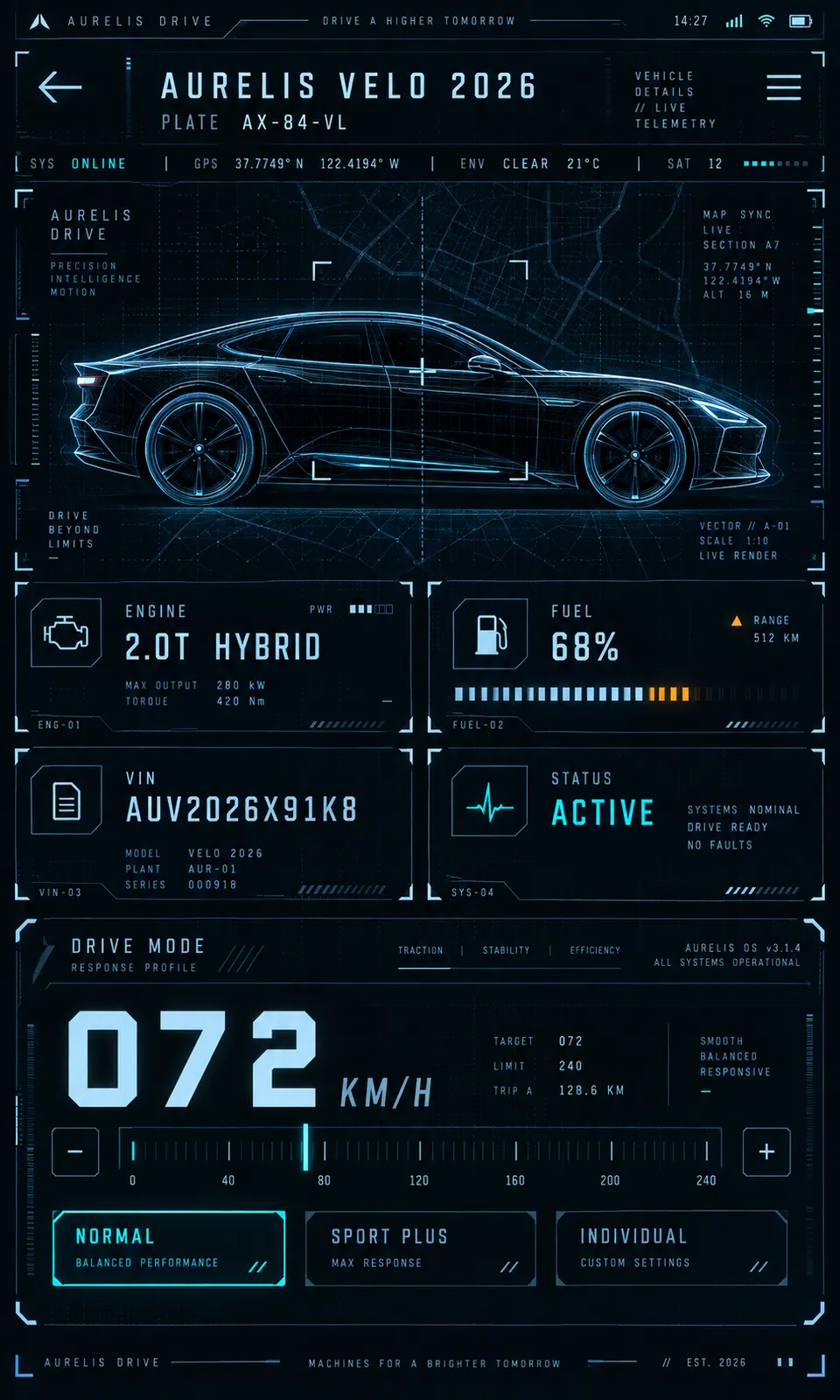
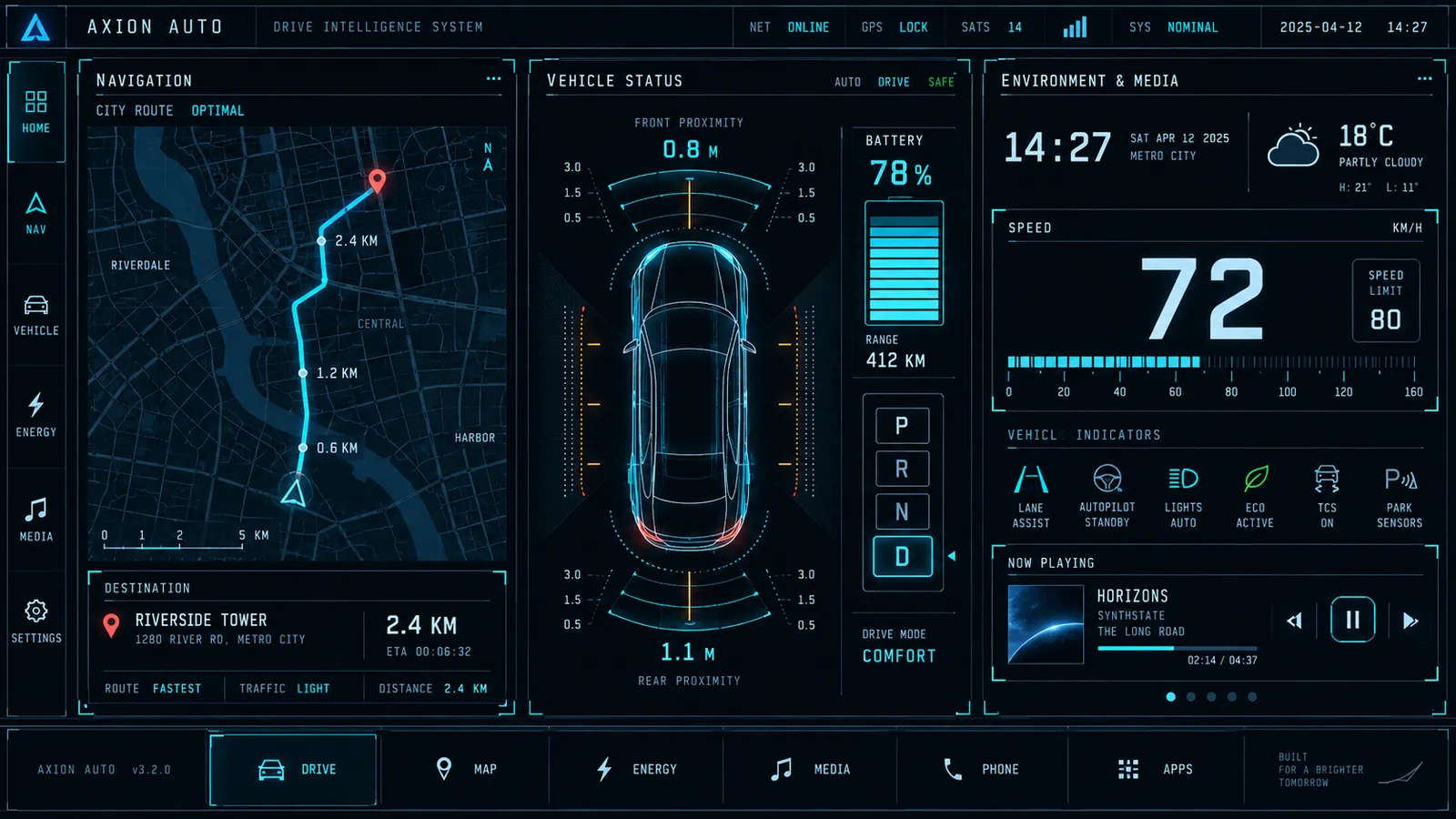
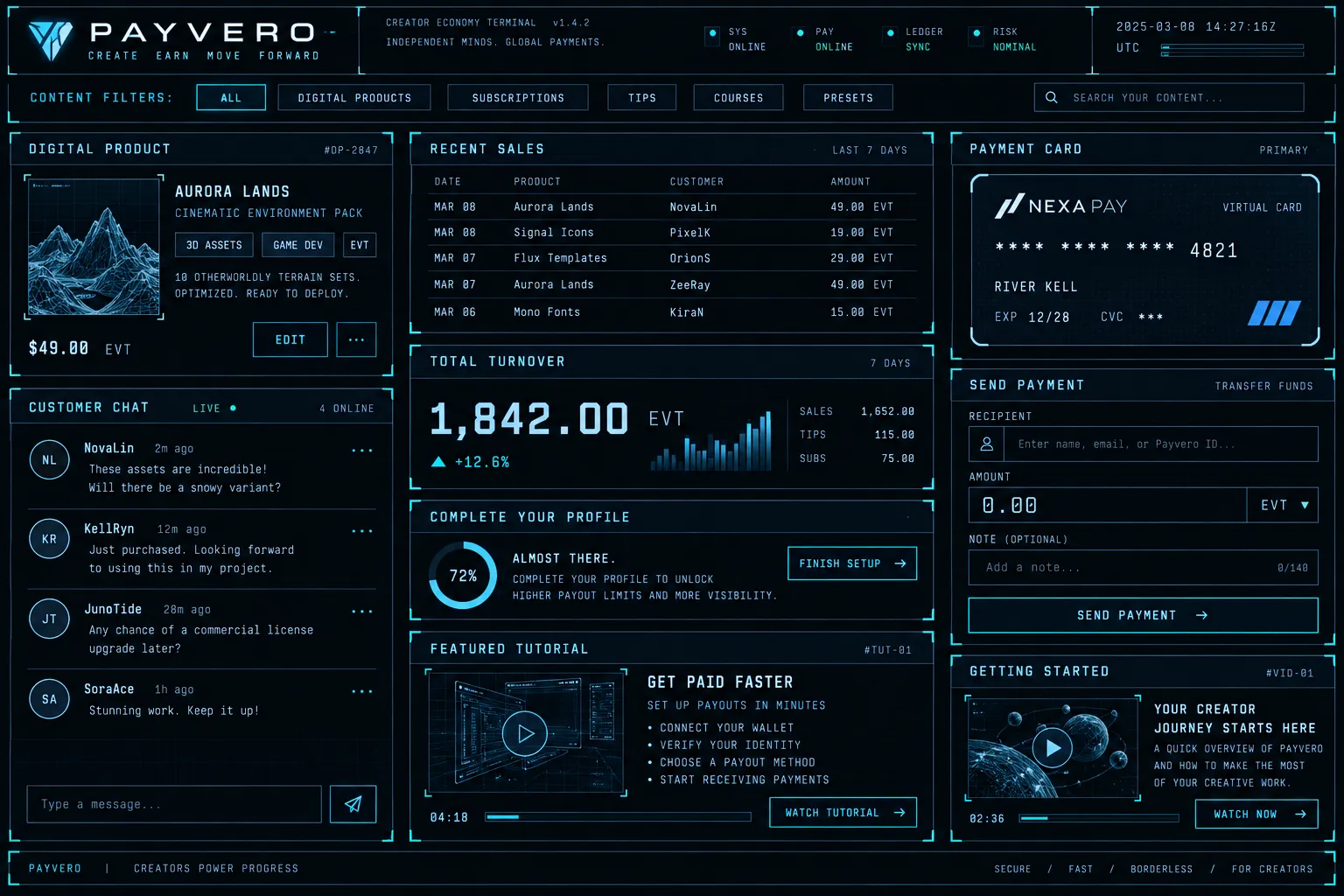
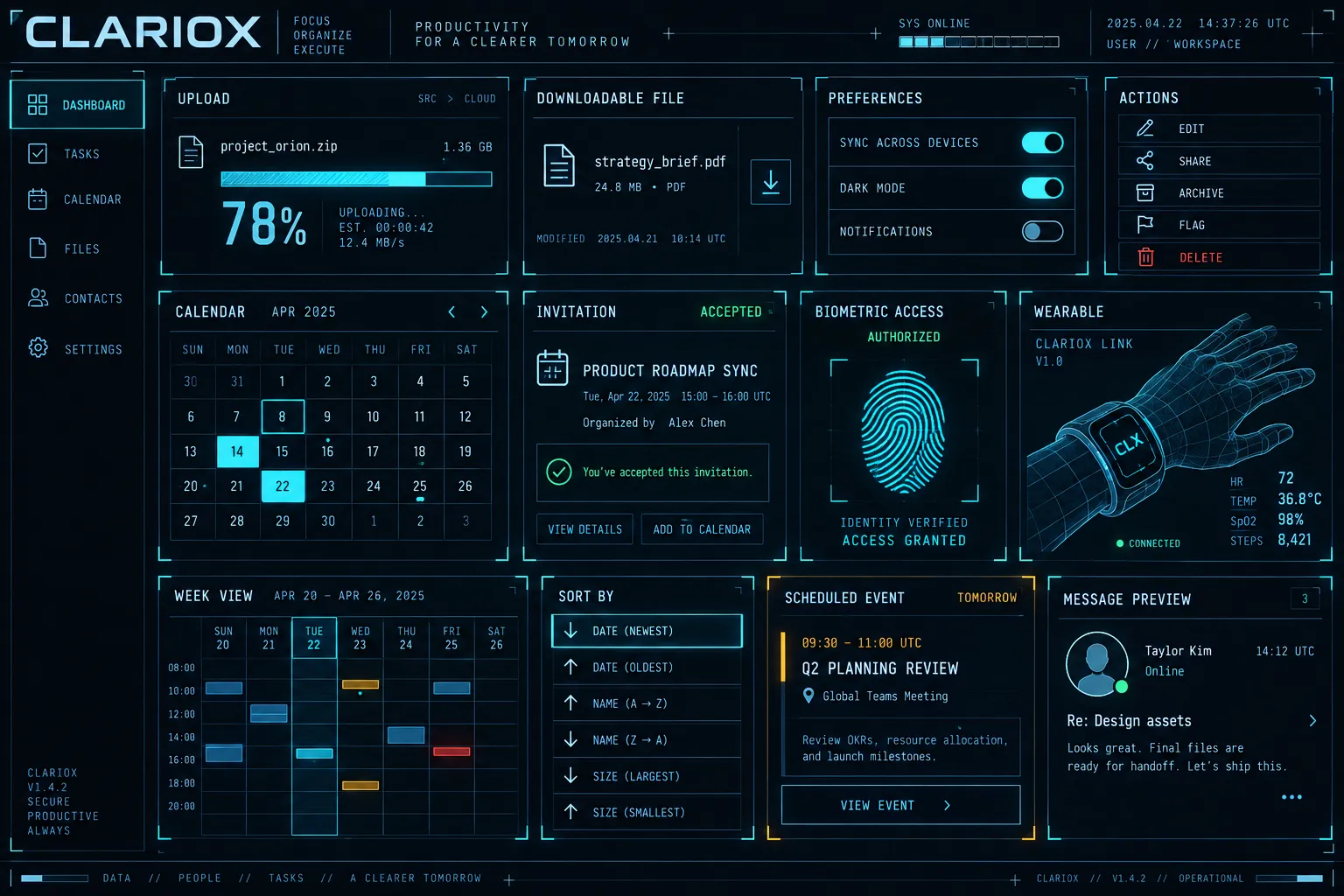
A dark technical surface covered in overlays: thin neon rules, corner brackets, live readouts and dense telemetry. Precision geometry doing the decorating, with data as the visual material.

Mood & Personality

Mood & Personality
Futuristic, Serious, Confident, Tense
Energy Level
Active
Emotional Bias
Tense
Tone Register
Detached
Representation Mode
Symbolic
Real-world Accuracy
Precise
Characters
Forbidden

Voice & Language

Formality
Formal
Vocabulary Level
Technical
Directness
Explicit
Sentence Length
Fragments
Metaphor Density
Clinical
Writing Perspective
Third person
Copy Pacing
Staccato
Jargon / Technical Level
Acronym-heavy

Spatial Structure & Hierarchy

Grid System
Baseline grid
Visual Density
Packed
Hierarchy Clarity
Moderate
Symmetry
Near symmetry
Balance Type
Edge-weighted
Layout Axis
Edge rails, top status strip, bottom panels, central live canvas
Perspective Style
Flat
Focal Structure
Primary + secondary
Plane Separation Method
Overlap
Framing Devices
Vignetted Perimeter

Shape Language

Shape Basis
Geometric
Primitive Dominance
Polygons, Circles
Edge Sharpness
Razor-sharp
Silhouette Clarity
Complex
Curve Consistency
Uniform radius
Negative Space Usage
Minimal
Angle Usage
Frequent

Line & Stroke System

Stroke Usage
Structural outlines
Stroke Weight
Hairline
Stroke Consistency
Uniform
Stroke Color
Contrasting accent
Stroke Joins
Miter

References

Temporal Reference
Futuristic
Reference Brands
Film and game screen-graphics interface design

UI & Web

Color Theme
Dark
Background Tone
Deep black
Accent Strategy
Workflow / contextual accents
Semantic Colors
Full set (error / warning / success / info)
Layout Archetype
Dashboard
Content Width
Full-bleed
Density
Compact
Spacing Scale
4pt grid
Surface Layers
Three-layer (page + card + elevated)
Elevation Approach
Background contrast only
Glass / Blur Effect
Subtle tint overlay
Border Philosophy
Hairline (0.5–1px, low opacity)
Corner Radius Scale
Sharp (0px)
Card Style
Translucent dark panels with a single bright edge; corner brackets replace full borders
Icon Style
Outline / Stroke
Icon Weight
Thin (1px)
Navigation Pattern
Sidebar
Data Display Style
Dense table
Data Visualization Style
Gridded analytical
Focus Ring Style
Glow halo
Animation Philosophy
Functional only
Transition Speed
Instant

Container / Boundary

Container presence
Implicit (visual edges only)
Corner treatment
Sharp
Container Dominance
Visual element
Padding rules
Tight
Edge behavior
Clipped elements

Camera and Motion

Easing Function
Sharp step
Animation Duration Feel
Snappy
Animation Sequencing
Panel brackets draw first; content follows
Motion Intensity
Constant low-level telemetry activity
Motion Implication
Dynamic
Camera Movement
Rotating sweep lines; bracket-snap target acquisition

Artistic Mediums & Techniques

Physical Medium
None
Illustrative Technique
Vector illustration

Background & Environment

Background Type
Solid color
Environment Mood
Abstract
Background Complexity
Moderate

Guardrails

Common Artifacts to Avoid
Over-saturation, Stylistic filters
Avoided Visuals
purple-and-pink cyberpunk palettes; large filled color panels; decorative circular gauges; illegible microtype
Allowed Visuals
thin luminous rules; corner brackets; tick scales; crosshairs; readable dense telemetry; wireframe diagrams; low-opacity glow

Colors

#05080F55%Usage: Background
#0C152620%Usage: Panel surfaces
#3BE8FF10%Usage: Primary telemetry
#C9E3F07%Usage: Readouts
#5D7A944%Usage: Secondary telemetry
#FFB0202%Usage: Caution states
#FF3B4E2%Usage: Alarm states
Palette Size
6–8 colors
Color Temperature
Cool
Saturation Range
Electric
Contrast Strategy
High contrast
Hue Relationships
Complementary
Gradient Policy
Subtle gradients only
Color Dominance
Background-dominant
Black & White Point
Pure black + Rolled-off highlights
Accessibility Level
WCAG AA

Typography

Regular, Medium, Aa, Bb, Typography
Font FamilyCondensed grotesque labels paired with monospaced numeric readouts
Line HeightTight
Font WeightsRegular, Medium, Bold
Letter SpacingWide
Type ScaleModular
Text Case
ALL CAPS
Font Pairing Strategy
Condensed grotesque + monospace numeric system
Hierarchy
Strong contrast
Text Presence
Required
Text Visual Role
Integrated into imagery
Text Integration
Overlaid

Output Format

Creative Discipline
UI/UX
Medium
Digital
Delivery Mode
Interactive
Platform
Desktop
Presentation Context
Raw UI

Light & Shadow

Lighting Mood Style
Emissive HUD lines on a persistently near-black ground
Bloom / Glow Usage
Subtle
Lighting Presence
Implied

Surface, Material & Detail

Surface Treatment
Flat
Surface Texture Style
Faint scanlines or dot-grid overlay with subtle digital noise
Texture Usage
Subtle noise
Transparency / Opacity
Semi-transparent
Pattern / Motif Usage
Geometric pattern

Custom Style Items

Panel Grammar
Corner brackets replace full borders; ticks and scales persist along panel edges.
Color Discipline
Reserve cyan for active telemetry, amber for caution, and red for alarms; keep all color areas thin and sparse.
Information Planes
Reticle above map, map above grid, with telemetry layered across the interface.
Numeric Focal Point
One oversized monospaced numeric readout anchors otherwise small, dense type.
© 2026 StyleRef. All rights reserved.