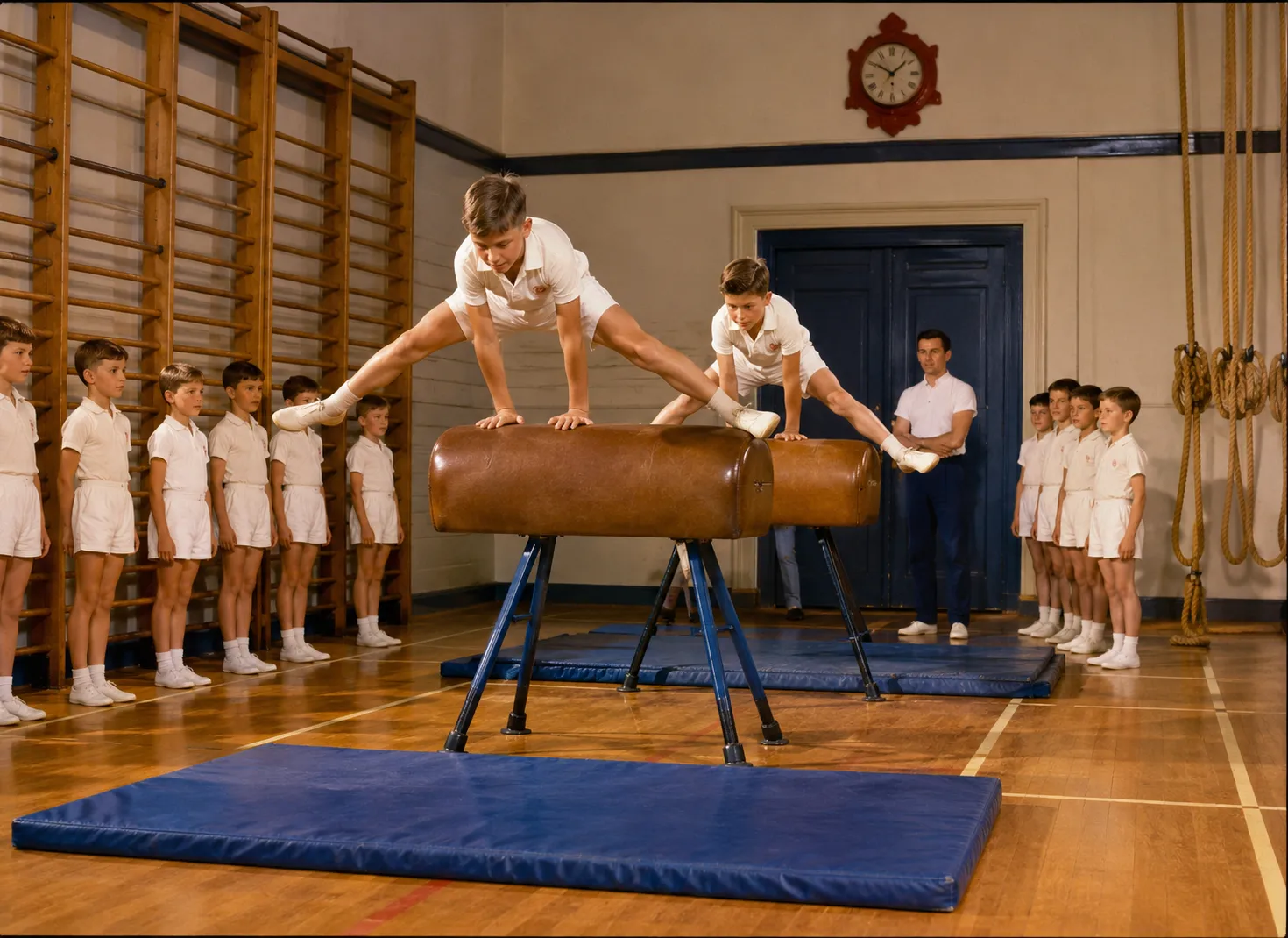
Three-Strip Technicolor Dye Transfer

StyleRef·@styleref·
Extract your style to start building your Style Board.

Description

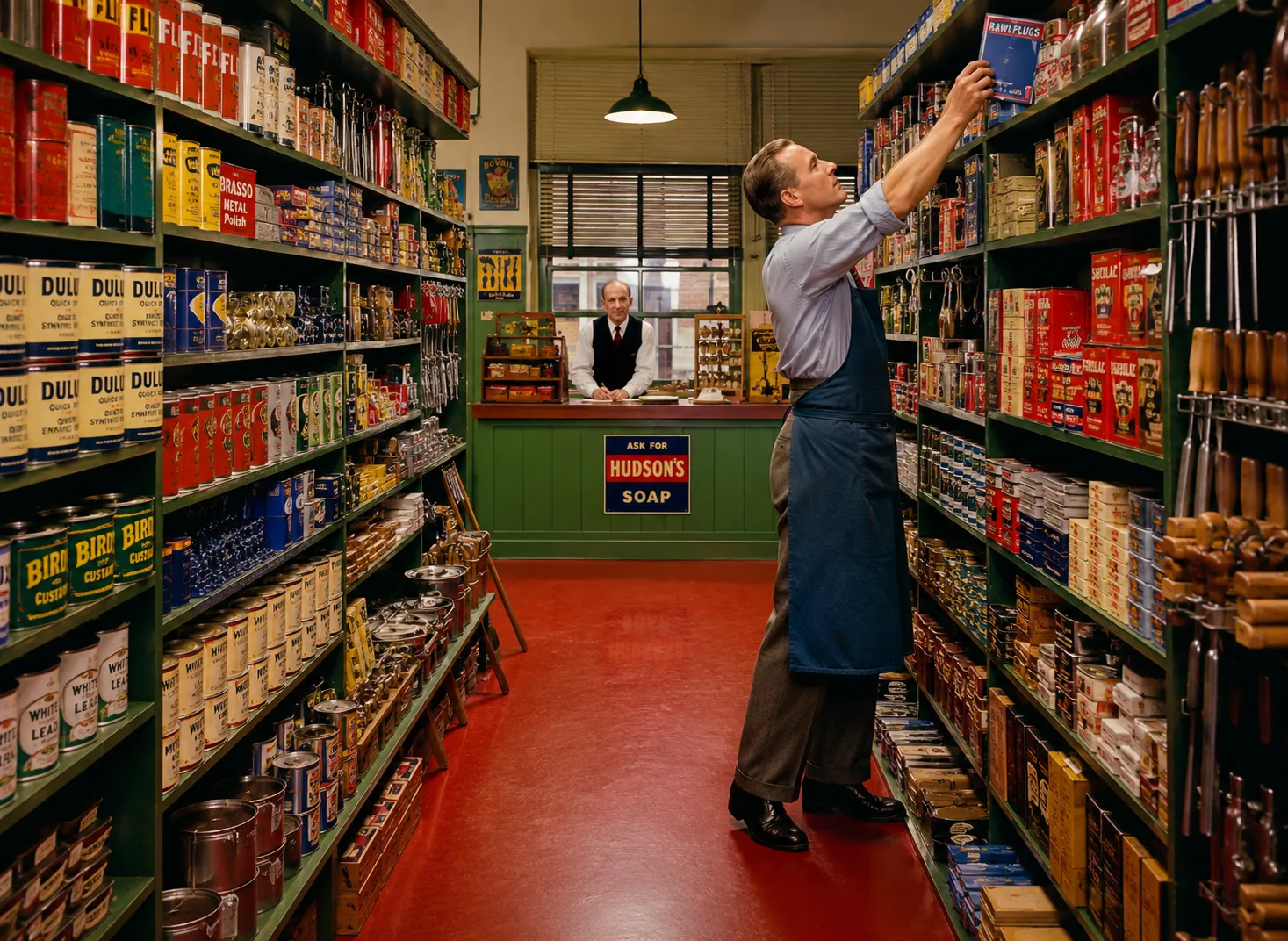
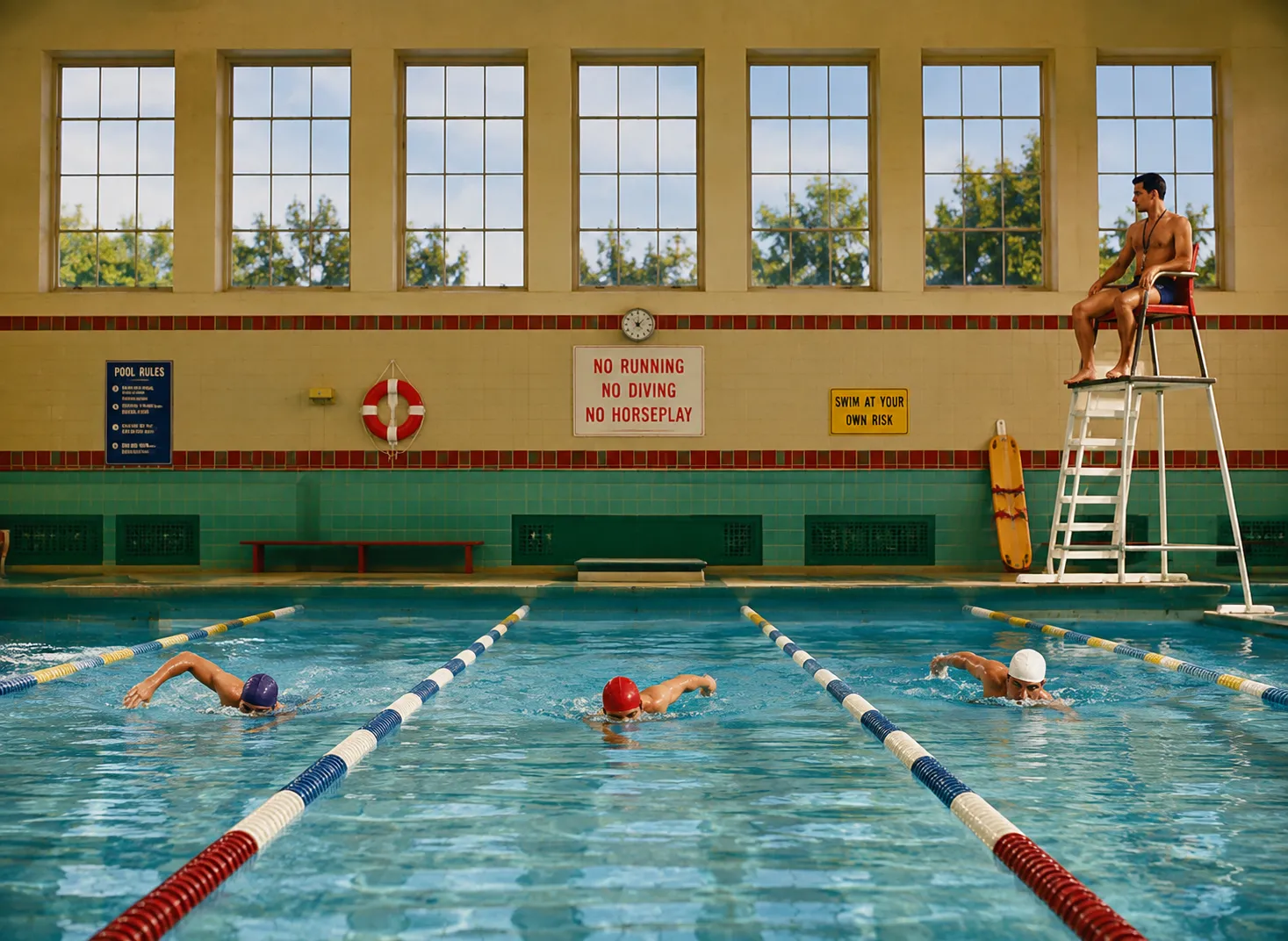
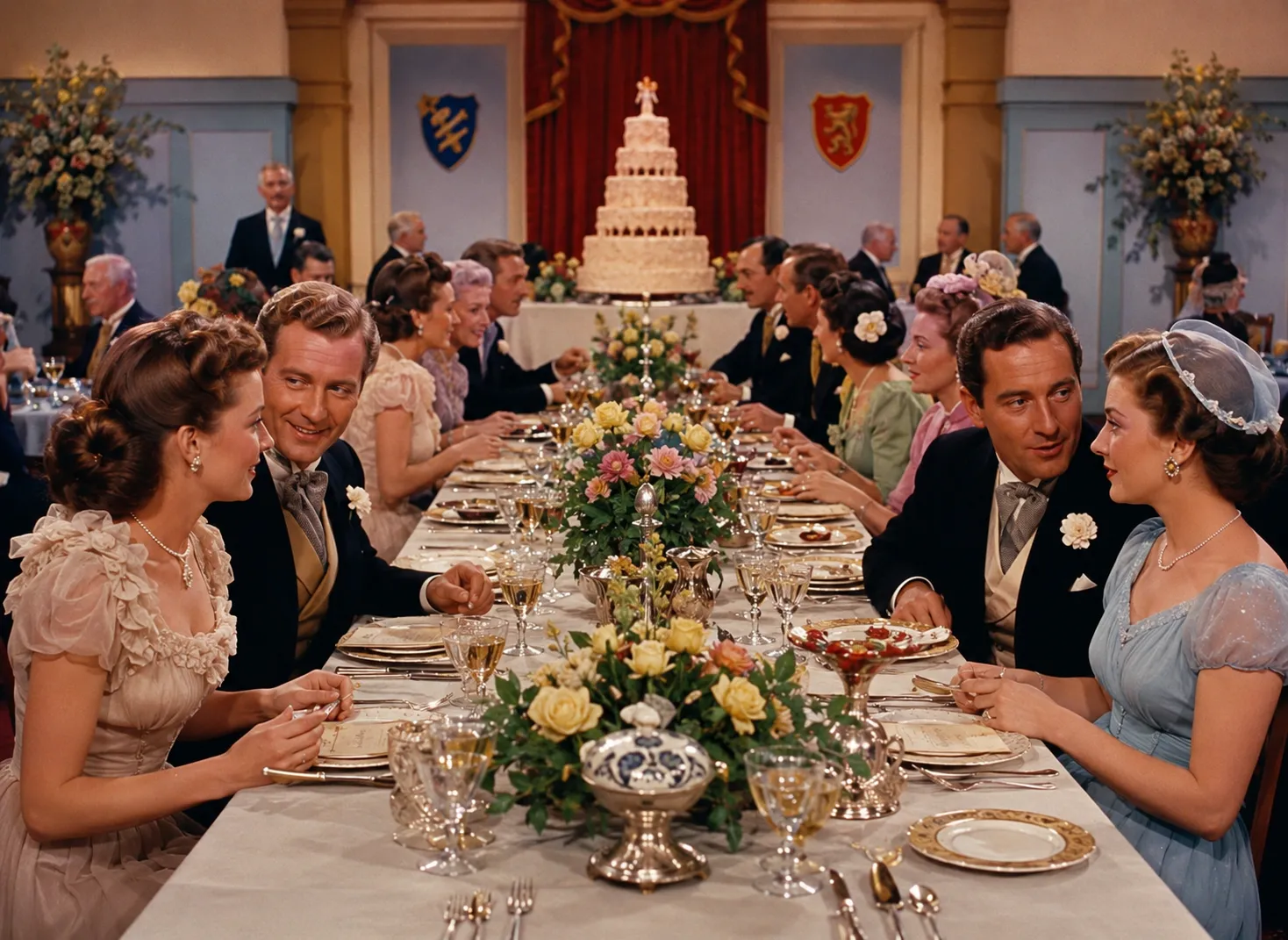
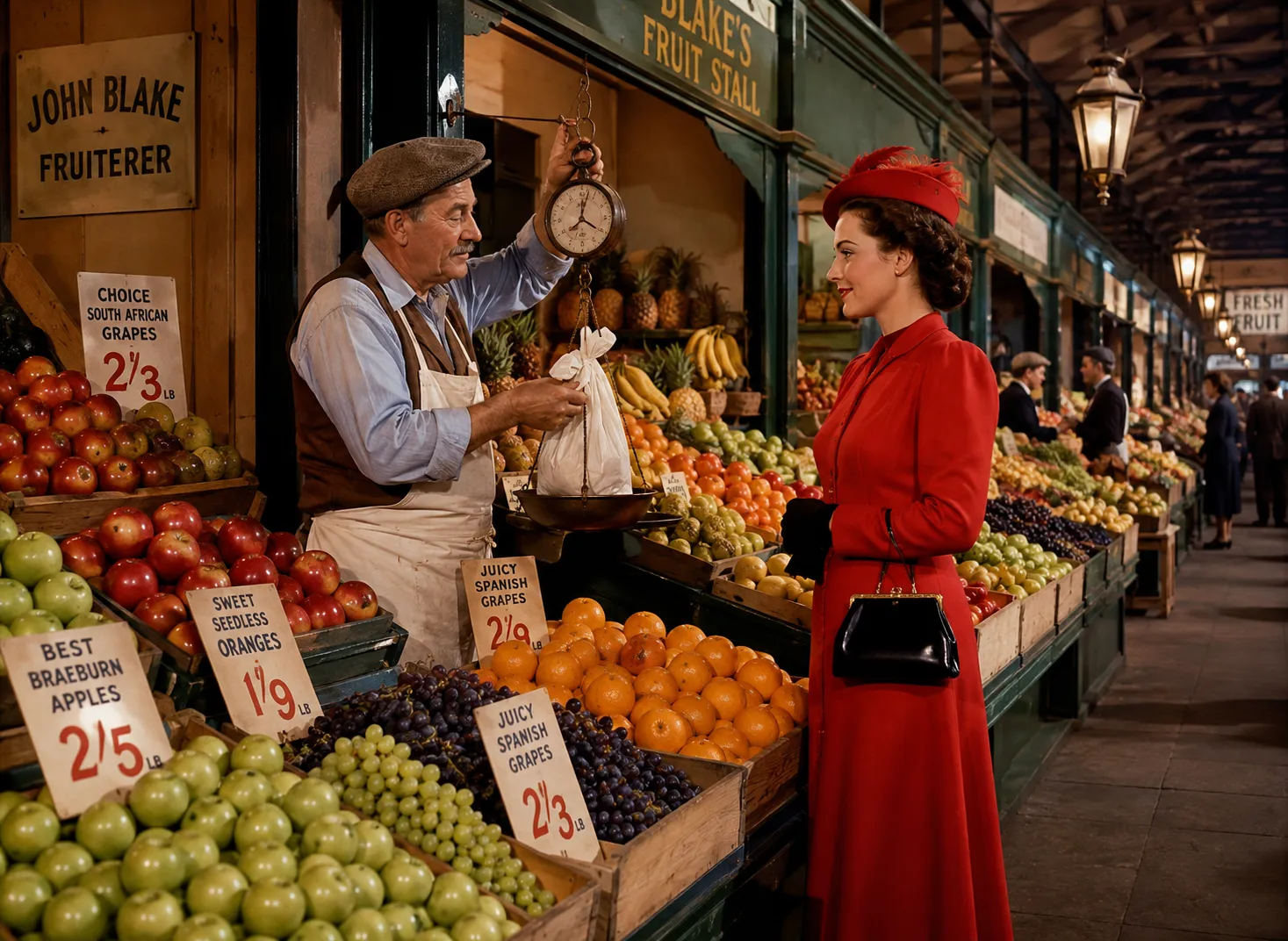
The colour of a mid-century Technicolor picture, where three black-and-white negatives were printed back together as cyan, magenta and yellow dye: every hue holds full strength and its own identity instead of drifting toward a common cast, and skin renders warm and slightly luminous. The set has to be lit hard and from every direction to expose it, so focus runs deep and saturation holds all the way to the back wall. Best for costume and set-heavy scenes, interiors and product work that should look printed rather than graded.

Spatial Structure & Hierarchy

Perspective Style
Flat
Focal Structure
Single
Hierarchy Clarity
Strong
Symmetry
Near symmetry
Balance Type
Center-weighted
Layout Axis
Horizontal
Plane Separation Method
Color/value shift
Visual Density
Balanced

References

Cultural References
Three-strip Technicolor Process 4, The Adventures of Robin Hood (1938), The Wizard of Oz (1939), Black Narcissus (1947), The Red Shoes (1948), Singin' in the Rain (1952)
Temporal Reference
1930s

Post-processing & Render Style

Tone Curve Shape
Film-emulation
Grain Character
None
Sharpening Style
Natural
Halation
None
Image Treatment
Full-color

Guardrails

Common Artifacts to Avoid
Heavy Bokeh / Blur, Lens Flare, Film Grain / Noise, HDR over-processing, Over-saturation, Stylistic filters
Avoided Visuals
teal-and-orange grade; faded colour; sepia; scratches; sprocket holes; halation; bloom; heavy vignette; crushed shadows; shallow-focus isolation; global saturation lift
Allowed Visuals
hard multidirectional arc lighting; deep focus; cyan-blue shadows; warm luminous skin; dense separated primaries; hard speculars; subtle red or green registration fringes

Mood & Personality

Mood & Personality
Bold, Dramatic, Elegant, Sophisticated
Energy Level
Vibrant
Real-world Accuracy
Stylized
Narrative Allowance
Full scene

Light & Shadow

Lighting Mood Style
Situational
Key Light Style
Hard
Light Source Type
Artificial
Lighting Direction
Front-lit, Side-lit, Backlit
Light Source Count
Multiple
Shadow Type
Hard
Shadow Density
Light
Fill-light Ratio
Even fill
Exposure Bias
Balanced
Color Grading Style
Film emulation
Bloom / Glow Usage
None
Lighting Presence
Explicit

Camera and Motion

Camera Shot Size
Staged full-scene framing
Camera Vertical Angle
Eye level
Depth of Field
Deep focus
Focal Length Feel
Normal
Motion Implication
Static

Surface, Material & Detail

Surface Treatment
Smooth, faintly waxy dye-in-gelatin print surface
Surface Texture Style
Almost invisible fine print grain; clean satin, lacquer, painted-flat, glass, brass, and metal surfaces
Texture Usage
Photographic
Imperfection Level
Pristine
Abstraction Level
Realistic
Age of Surface
New

Colors

#187E9B43%Usage: Shadow areas
#F0B07D36%Usage: Skin tones
#B99C9B21%Usage: Neutral modulation
Palette Size
6–8 colors
Color Temperature
Mixed
Saturation Range
Lush
Contrast Strategy
Hue contrast
Hue Relationships
Complementary
Gradient Policy
No gradients
Color Dominance
Subject-dominant
Shadow Color
Hue-shifted
Black & White Point
Lifted blacks + Rolled-off highlights

Output Format

Creative Discipline
Cinematography
Medium
Film
Delivery Mode
Still
Aspect Ratio
Academy 1.37:1
Cropping Priority
Center

Background & Environment

Background Type
Scene
Environment Mood
Interior
Background–Subject Relationship
Integrated
Background Complexity
Moderate
Prop / Set Styling
Curated

Custom Style Items

Color Blocking
Stage one saturated garment or object against its complementary set color; reserve the strongest hue for the focal point.
Matrix Misregistration
Subtle fine red or green fringe on only the hardest high-contrast edges; never a smeared chromatic aberration.
Depth Treatment
Foreground and back wall remain equally sharp and equally saturated; compose for whole-frame reading.
Skin Rendering
Warm peach-gold skin, gently luminous and brighter than adjacent surfaces.
© 2026 StyleRef. All rights reserved.