Mixed Media

StyleRef·@styleref·
Extract your style to start building your Style Board.

Output Format

Creative Discipline
Graphic design
Medium
Digital
Delivery Mode
Still

Inspiration Images

Colors

Palette Size
Unlimited colors
Color Temperature
Mixed
Saturation Range
Vivid
Contrast Strategy
High contrast
Hue Relationships
Arbitrary
Gradient Policy
No gradients
Color Dominance
Balanced

Typography

Hierarchy
Expressive / Art-directed
Font Pairing Strategy
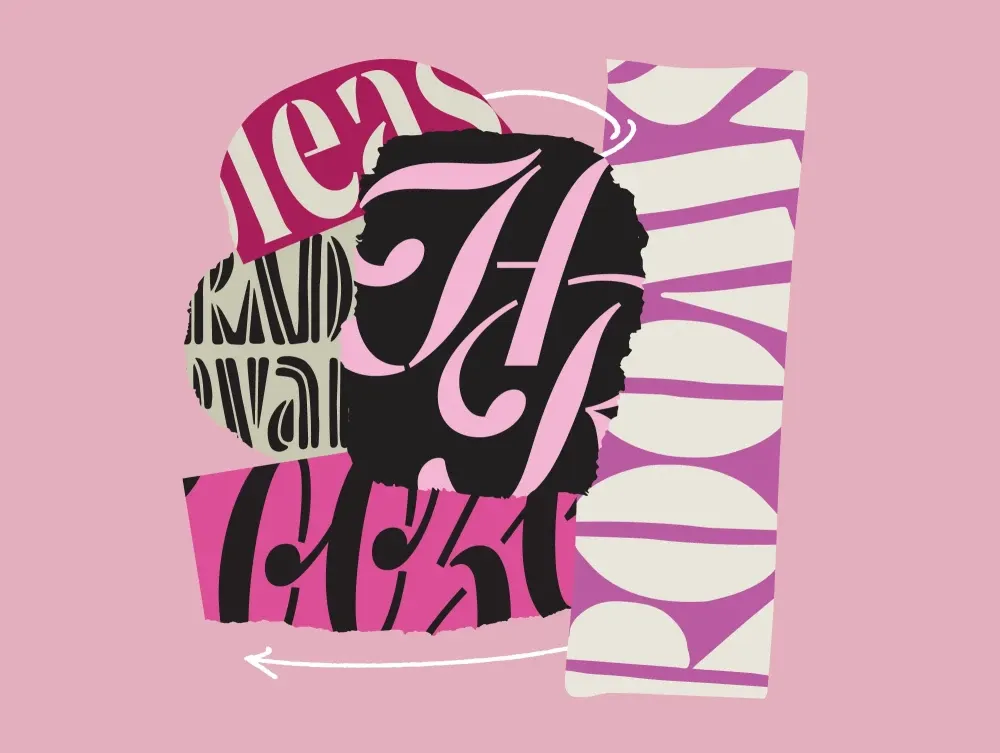
Mixed typography as texture (oversized display letterforms + secondary supporting text)
Text Integration
Embedded in collage layers and overlaid with cutout edges

Spatial Structure & Hierarchy

Perspective Style
Flat
Focal Structure
Primary + secondary
Hierarchy Clarity
Clear focal anchors with intentionally chaotic supporting layers
Symmetry
Asymmetrical balance
Balance Type
Tension-based
Layout Axis
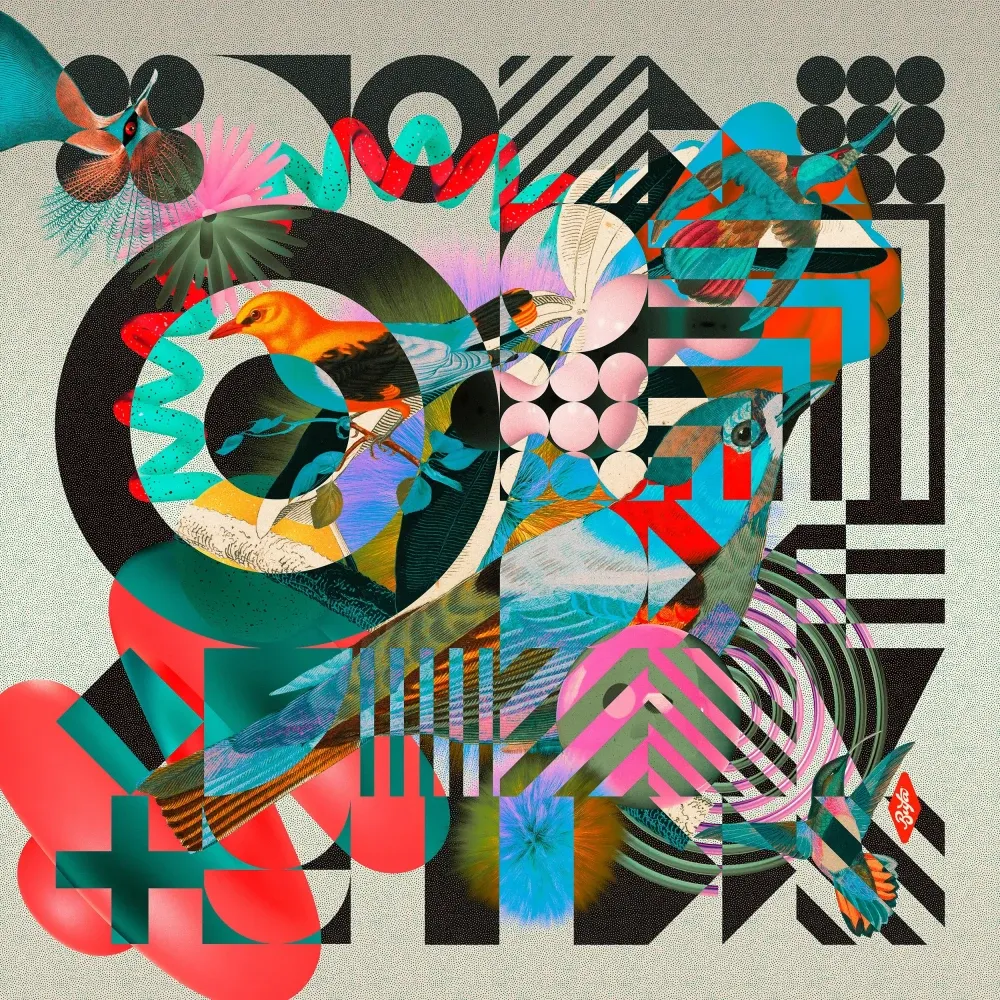
Hybrid (grid-like blocks + sweeping arcs/gestural overlays)
Plane Separation Method
Overlap, Scale, Color/value shift
Grid System
Free-form with occasional modular/editorial blocks
Visual Density
Busy

Shape Language

Shape Basis
Hybrid
Primitive Dominance
Circles, Rectangles, Freeform curves, Polygons
Edge Sharpness
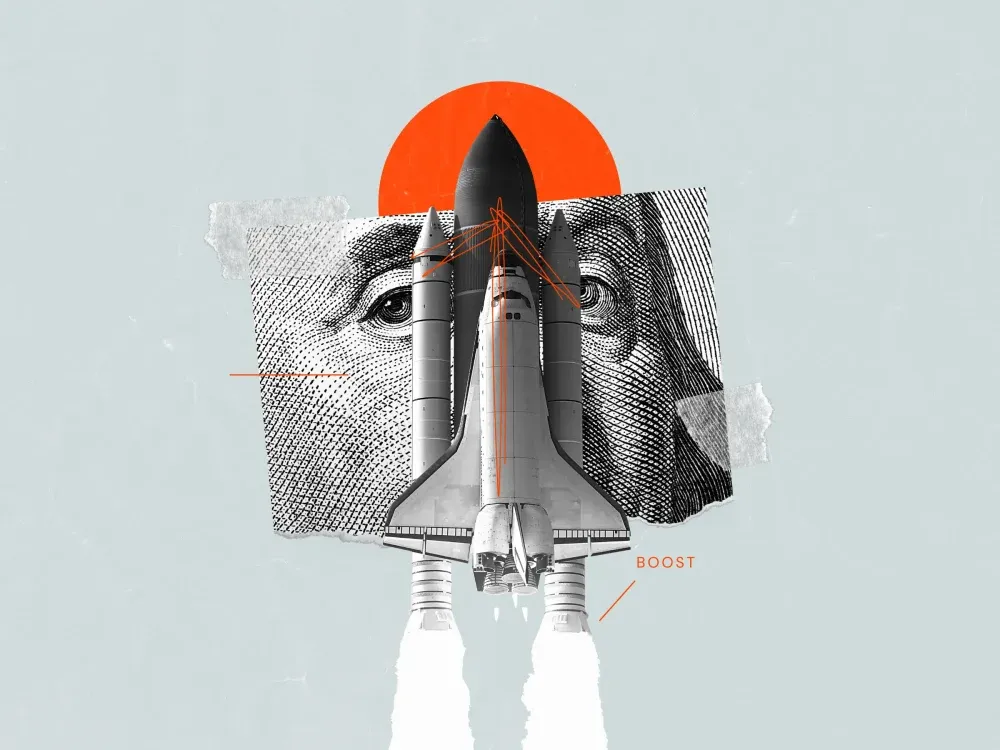
Mixed (razor-sharp vector geometry + rough/torn collage contours)
Silhouette Clarity
Recognizable
Curve Consistency
Variable radius
Negative Space Usage
Balanced
Angle Usage
Frequent

Surface, Material & Detail

Material Simulation
Paper
Surface Treatment
Material-simulated
Surface Texture Style
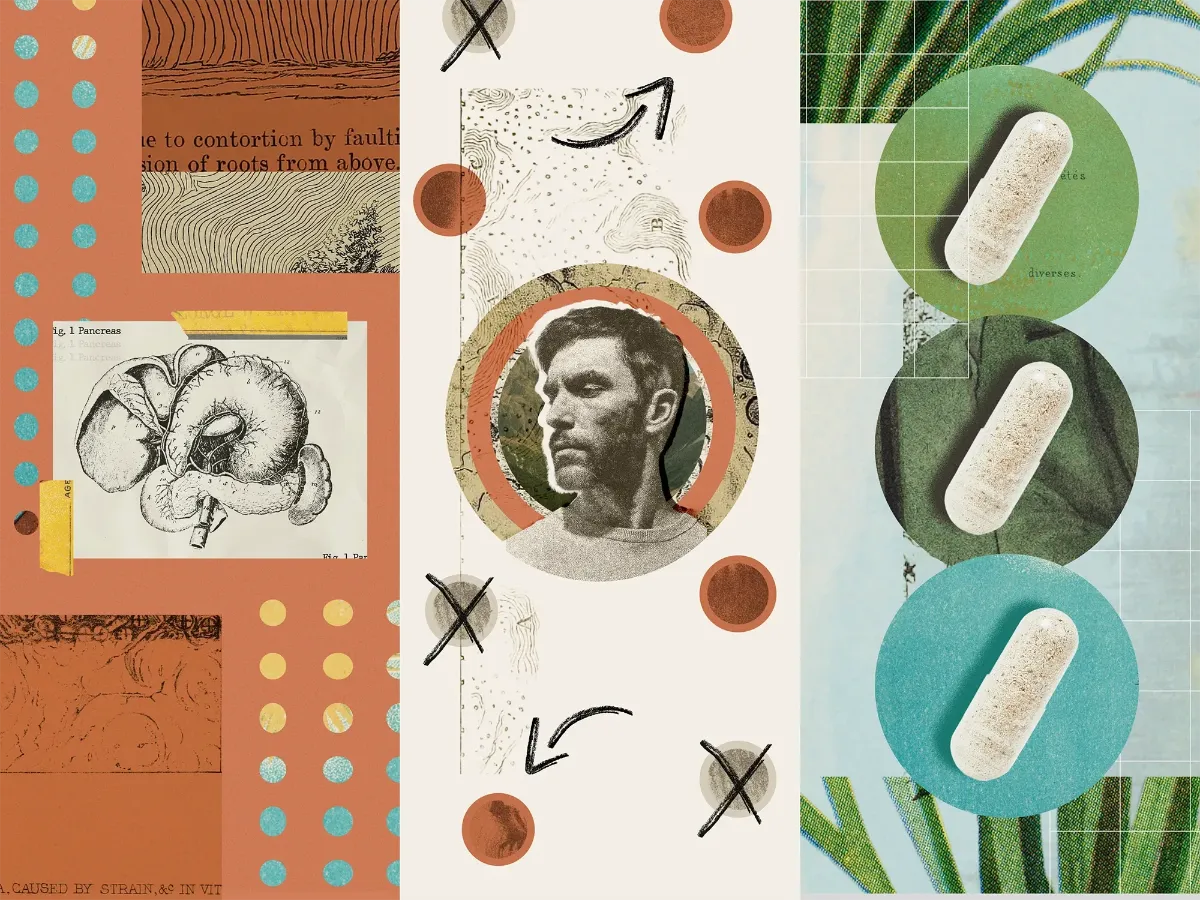
Grain, Noise, Halftone, Photocopy/scan texture, Torn paper edges
Texture Usage
Photographic
Transparency / Opacity
Mostly opaque layers with occasional semi-transparent overlays
Imperfection Level
Organic
Abstraction Level
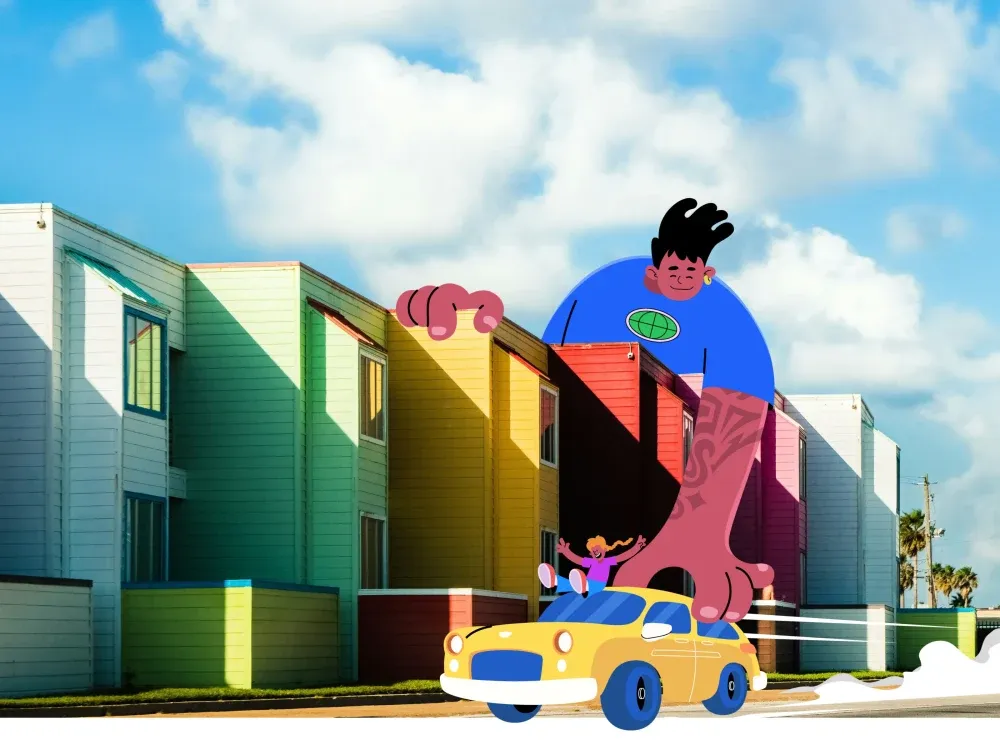
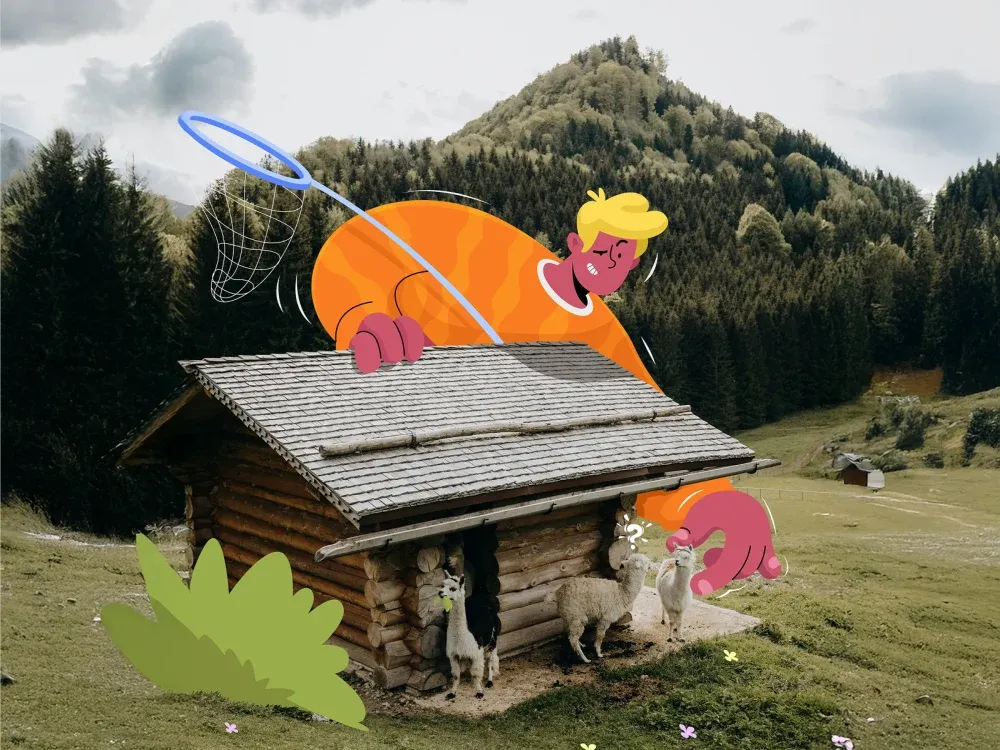
Semi-representational (photo-real cutouts + stylized vector/3D accents)
Micro-detail Allowance
Encouraged
Micro-detail Types
Natural imperfections, scan grit, paper fiber/grain, cutout edges
Pattern / Motif Usage
Geometric pattern + collage ephemera (dots, stripes, checks, stamps)

Line & Stroke System

Stroke Usage
Decorative outlines (doodles/arrows) plus occasional no-stroke vector fills
Stroke Weight
Thin
Stroke Consistency
Expressive (hand-drawn marker/pen feel)
Stroke Color
Contrasting accent (typically white/black over busy collage)
Stroke Joins
Round

Mood & Personality

Mood & Personality
Playful, Bold, Experimental, Nostalgic (analog grit), Clean (digital precision), Whimsical, Confident
Energy Level
Vibrant
Emotional Bias
Positive
Representation Mode
Hybrid (literal photography + symbolic collage/graphic elements)
Real-world Accuracy
Stylized
Narrative Allowance
Full scene
Characters
Allowed (detailed)

References

Temporal Reference
Near-future
Cultural References
Maximalism, Pop Art (collage energy), Swiss/International Style (clean layout tension)

Artistic Mediums & Techniques

Physical Medium
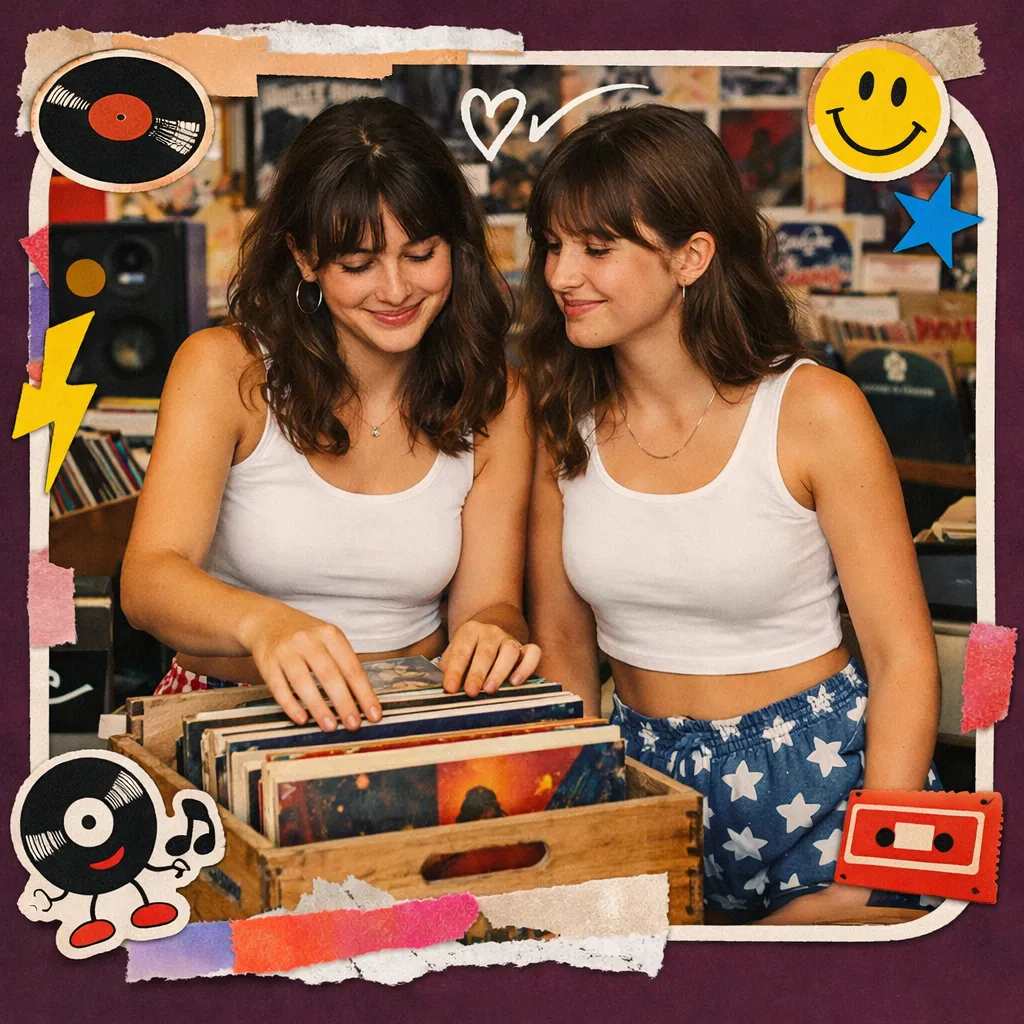
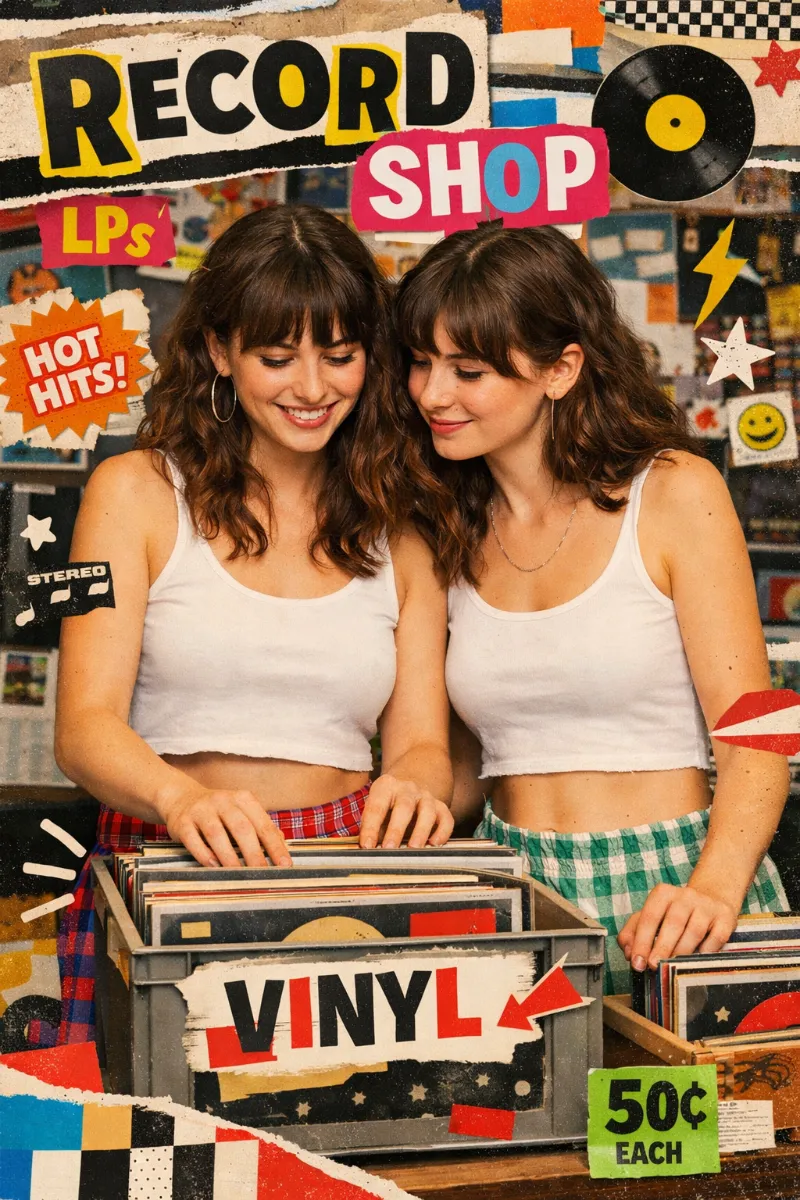
Collage + scanned paper textures (analog ephemera)
Illustrative Technique
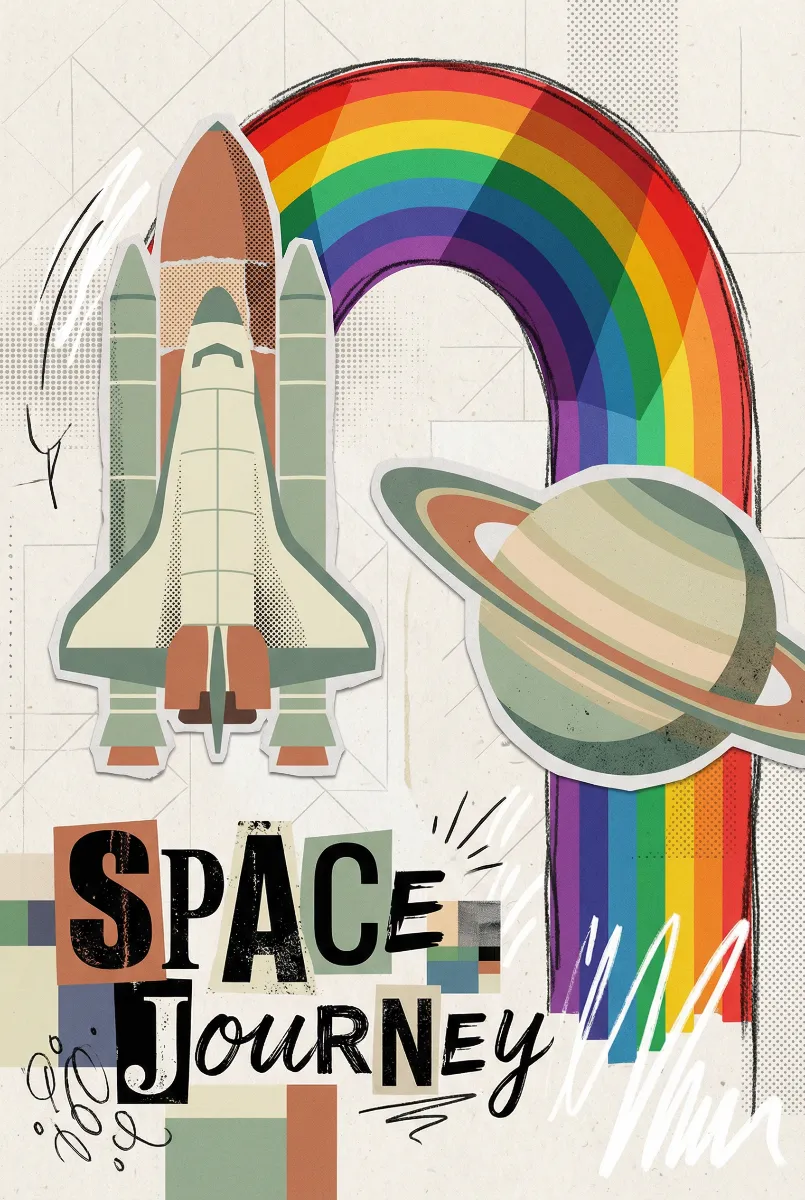
Vector illustration, Flat design, Collage (layered compositing), Hand-drawn doodles

Post-processing & Render Style

Image Treatment
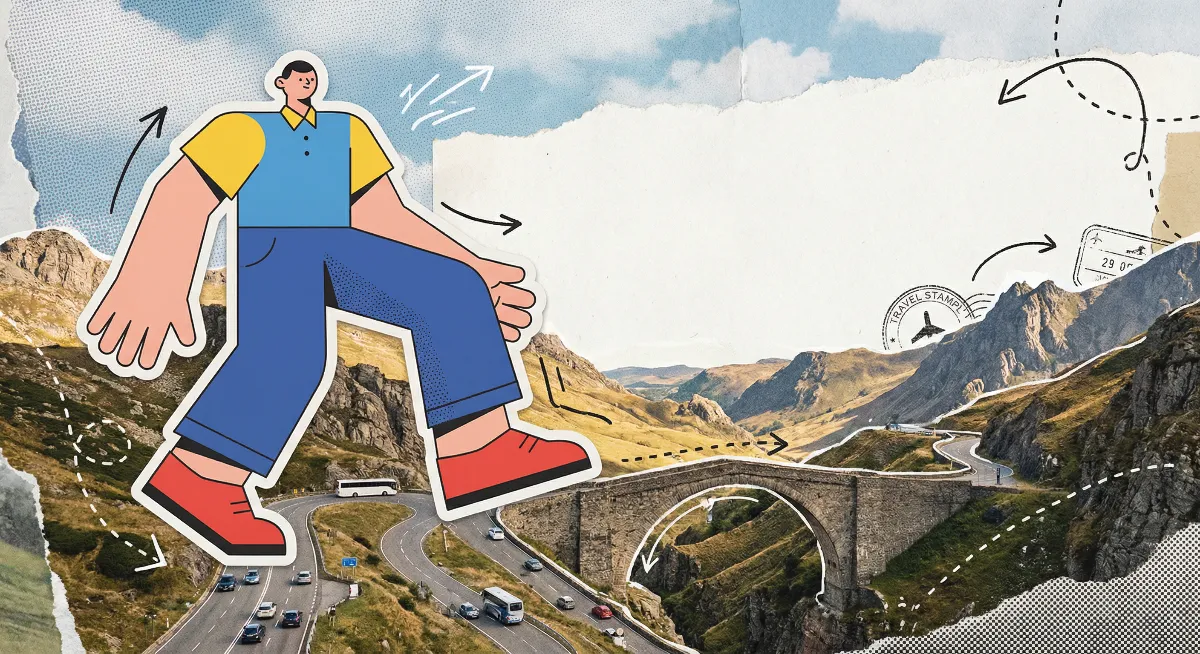
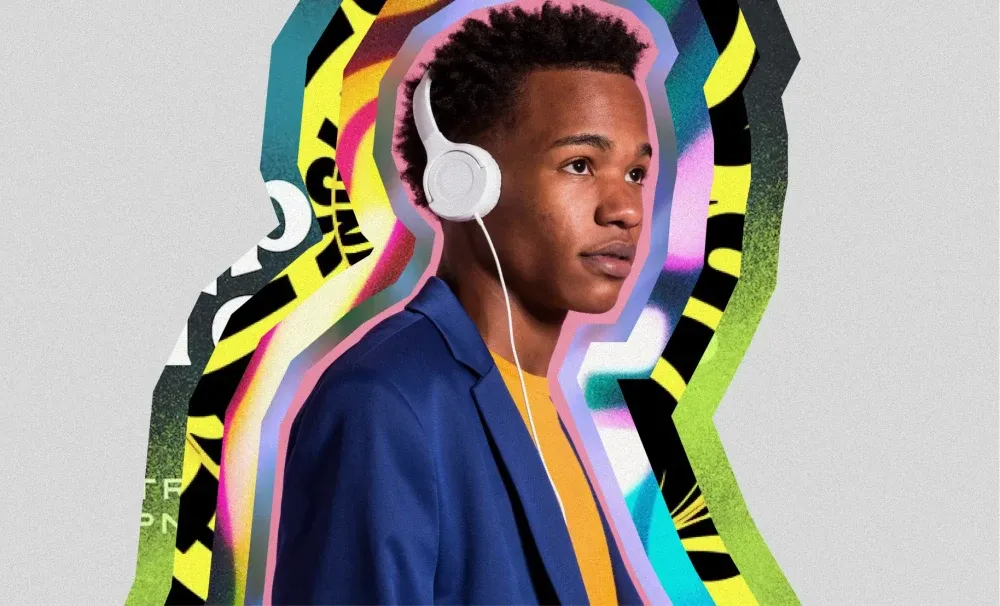
Cutout + Masked collage layers with visible edges; occasional halftone/print texture
Grain Character
Stylized (scan/print grit)
Sharpening Style
Crisp

Background & Environment

Background Type
Scene and texture (photographic environments) OR solid color fields depending on composition
Environment Mood
Studio, Interior/Exterior (photo backplates), Abstract
Background–Subject Relationship
Integrated
Background Complexity
Moderate
Prop / Set Styling
Curated found imagery/ephemera (scans, stickers, icons, cutouts)

Guardrails

Common Artifacts to Avoid
AI Gloss / Plastic Smoothing, HDR over-processing, Over-saturation (when it flattens layers), Studio Post-processing (too clean), AI symmetry artifacts
Avoided Visuals
Overly templated layouts; perfectly uniform textures; collage edges that look synthetic; too-consistent lighting between unrelated assets (kills the “found” feeling)

Custom Style Items

Core principle
Make contrast the point: clean digital geometry colliding with messy analog textures; polished composition with visible imperfections.
Layering rule
Use 4–8 stacked planes (photo backplate, cutout subject, vector shapes, doodles, texture overlays). Preserve occlusions and overlaps to create depth.
© 2026 StyleRef. All rights reserved.