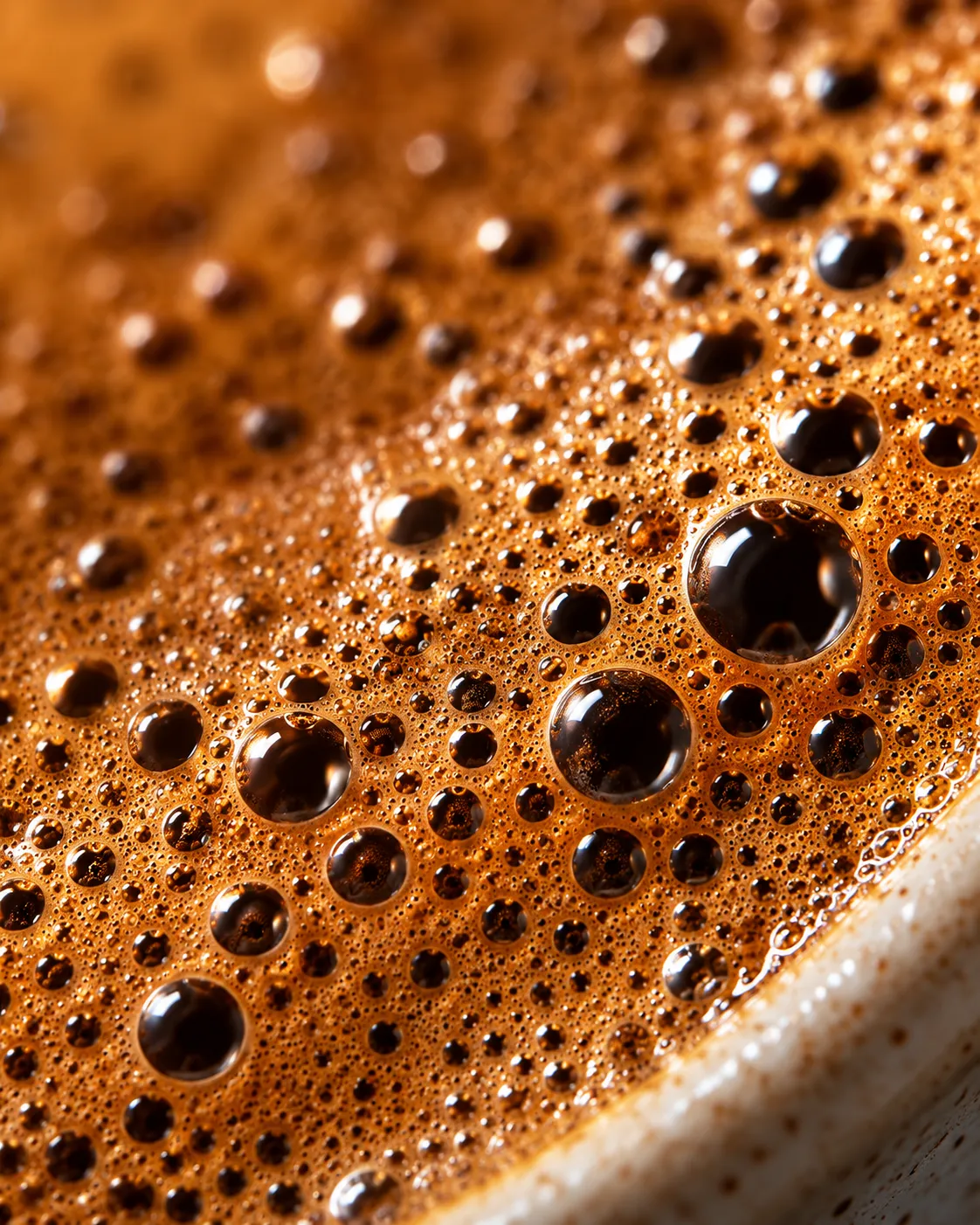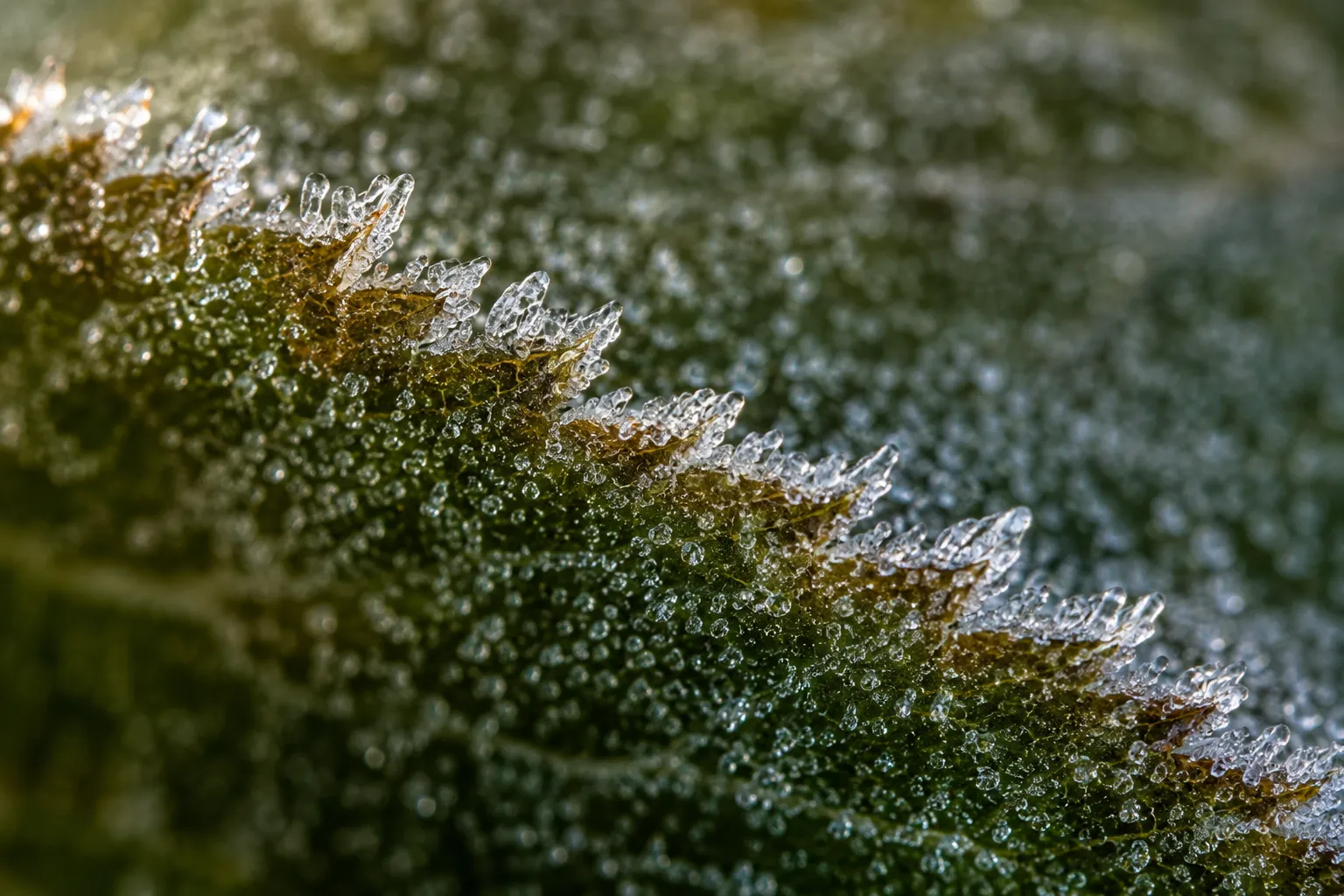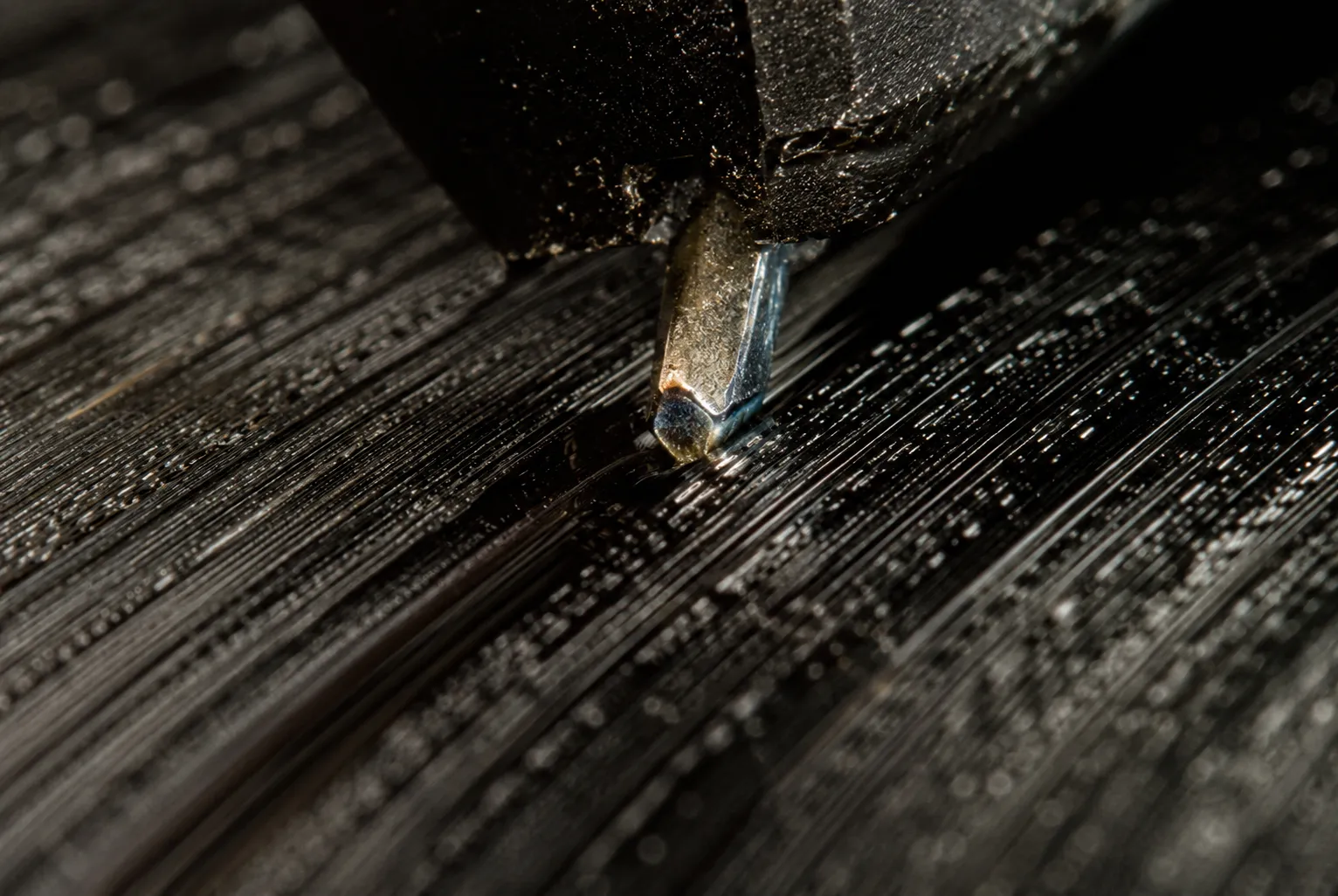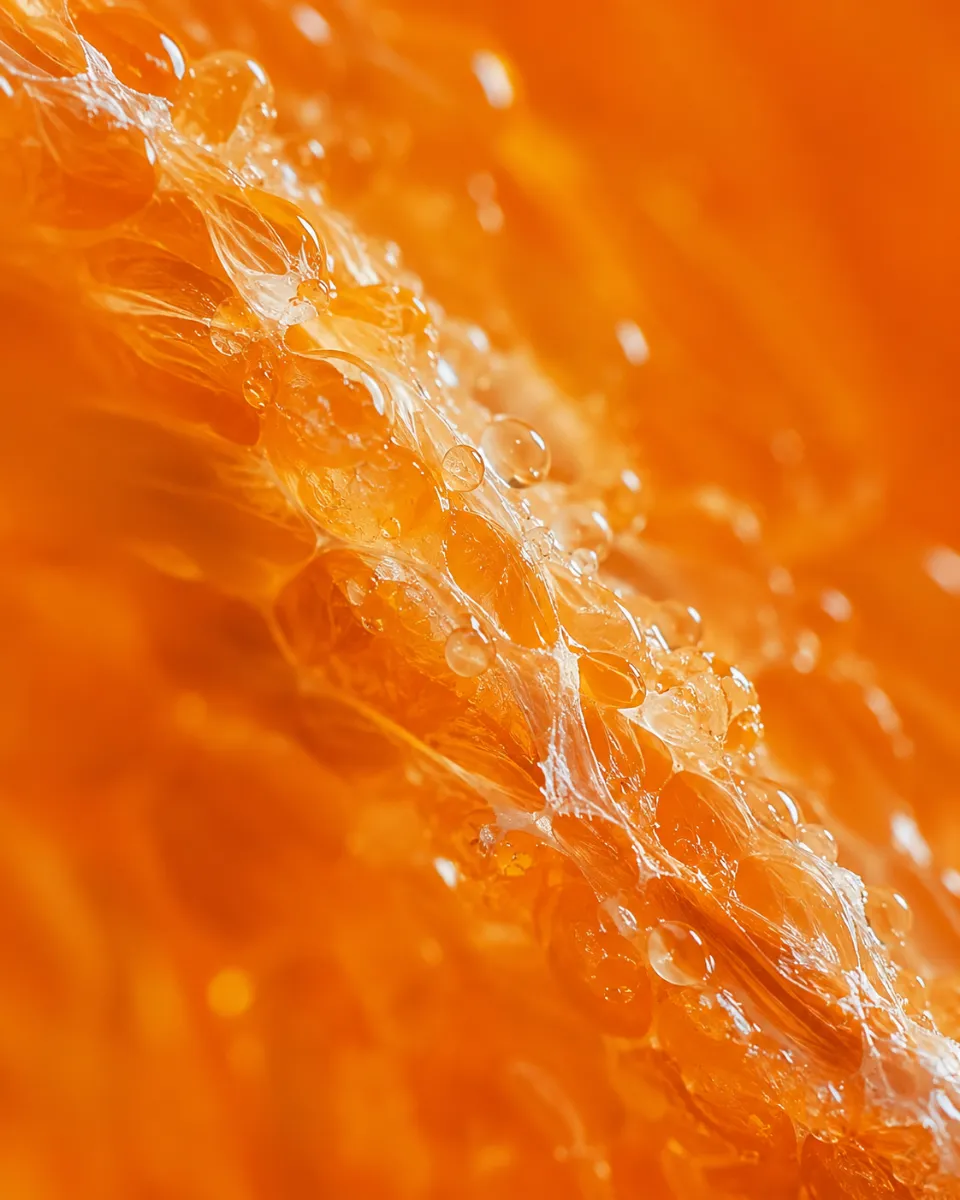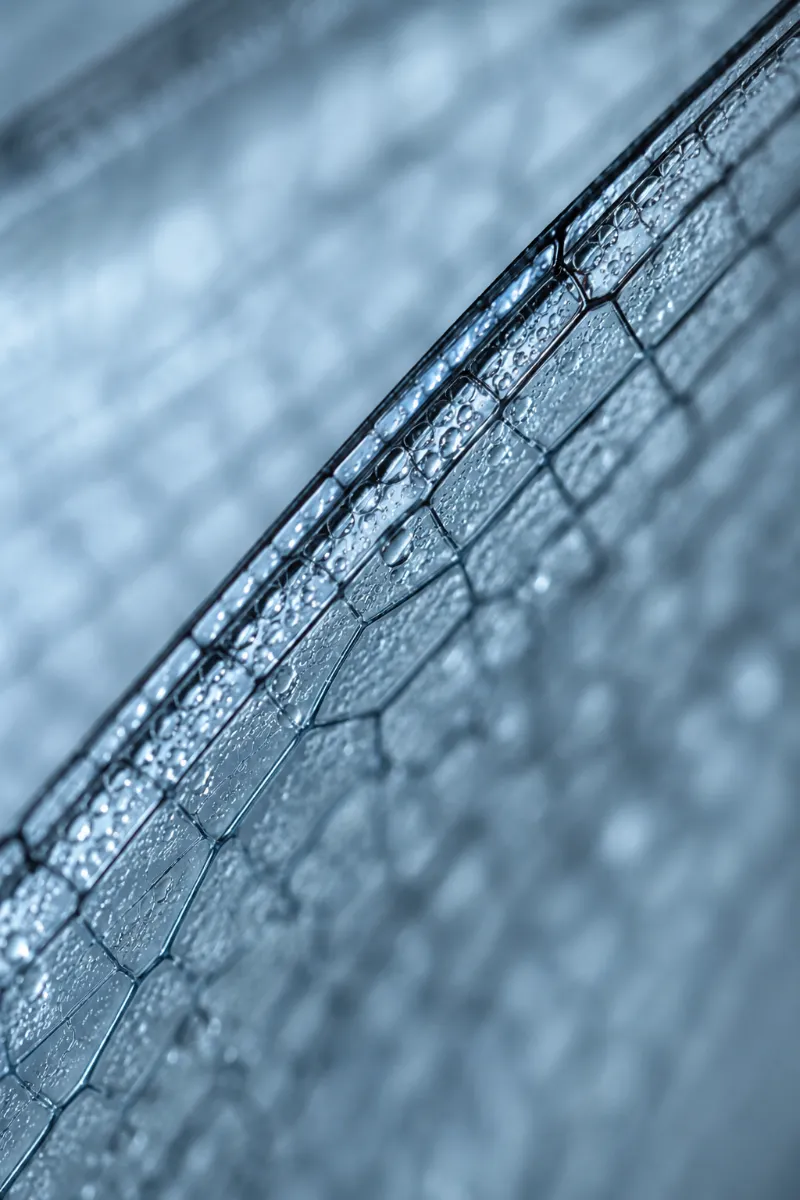
Ultra-Macro Tactile Detail

StyleRef·@styleref·
Extract your style to start building your Style Board.

Description

Ultra-Macro Tactile Detail moves the lens close enough that a surface stops being an object and becomes terrain: a sliver of focus, everything either side dissolving, and wet specular highlights sitting like beads across the sharp band. Structure that is normally invisible - fibre, pore, crystal, droplet - carries the whole frame. Best for food, beauty, materials and product work that should read as touchable.

Colors

Palette Size
Duotone
Saturation Range
Moderate-to-high saturation in the focal band; saturation falls into blur
Contrast Strategy
Value contrast
Color Dominance
Single dominant color
Gradient Policy
Natural same-hue blur gradients only; no designed grading gradients

Typography

Text Presence
None

Camera and Motion

Camera Shot Size
Extreme close up
Depth of Field
Selective focus
Lens Type
Macro
Focal Length Feel
True macro magnification at centimetres-or-less working distance
Point of View
Objective
Motion Intensity
Statuesque
Time Capture
Frozen moment
Bokeh Style
Continuous soft same-hue falloff; no distinct background bokeh

References

Temporal Reference
Contemporary

Custom Style Items

Focus Plane
Millimetre-thin sharp band crosses the frame; abrupt continuous falloff on both sides.
Scale Ambiguity
Show no context, horizon, object boundary, or recognisable whole.
Detail Economy
Maximum crisp micro-detail only within the focal band; all surrounding structure dissolves softly.

Output Format

Creative Discipline
Photography
Delivery Mode
Still
Cropping Priority
Free
Canvas Behavior
Strict frame (nothing escapes)

Light & Shadow

Lighting Mood Style
Soft, close raking light revealing surface relief
Key Light Style
Soft
Light Source Type
Artificial
Lighting Direction
Side-lit
Light Source Count
Multiple
Shadow Type
Tiny self-cast structural shadows across the focal plane
Shadow Density
Light
Fill-light Ratio
Subtle fill
Exposure Bias
Material exposure with deliberately clipped wet specular highlights
Color Grading Style
Minimal material-faithful color lift; no stylized grading
Bloom / Glow Usage
None

Post-processing & Render Style

Tone Curve Shape
Linear
Grain Character
None
Sharpening Style
Crisp
Halation
None
Image Treatment
Full-color

Guardrails

Common Artifacts to Avoid
Heavy Bokeh / Blur, Lens Flare, Film Grain / Noise, HDR over-processing, Stylistic filters
Avoided Visuals
recognisable whole objects; contextual backgrounds; focus stacking; flat frontal light; glow; vignettes; heavy grading
Allowed Visuals
edge-to-edge surface crop; razor-thin focus band; raking side light; wet droplets; clipped specular beads; soft hue falloff; visible micro-structure

Mood & Personality

Mood & Personality
Sensory, tactile, abstract, intimate
Energy Level
Mellow
Representation Mode
Symbolic
Real-world Accuracy
Precise
Narrative Allowance
None

Spatial Structure & Hierarchy

Focal Structure
Single
Hierarchy Clarity
Strong
Balance Type
Tension-based
Layout Axis
Diagonal or curving millimetre-thin sharp band
Plane Separation Method
Color/value shift
Scale Relationship
Ambiguous scale
Visual Density
Dense

Surface, Material & Detail

Surface Treatment
Wet, damp, or molten material surface with bead-like specular highlights
Surface Texture Style
Organic, photographic micro-structure: fibre, pore, crystal, grain, bubble, condensation, powder, hair
Texture Usage
Photographic
Material State
Damp / Wet
Imperfection Level
Organic
Abstraction Level
Semi-representational
Micro-detail Allowance
Encouraged
Micro-detail Types
Extreme micro-contrast, Natural imperfections
Transparency / Opacity
Opaque

Background & Environment

Background Type
Subject surface only; out-of-focus material becomes the background
Background–Subject Relationship
Integrated
Background Complexity
Minimal
Prop / Set Styling
None
© 2026 StyleRef. All rights reserved.