8-Bit Console Pixel Art

StyleRef·@styleref·
Extract your style to start building your Style Board.

Description

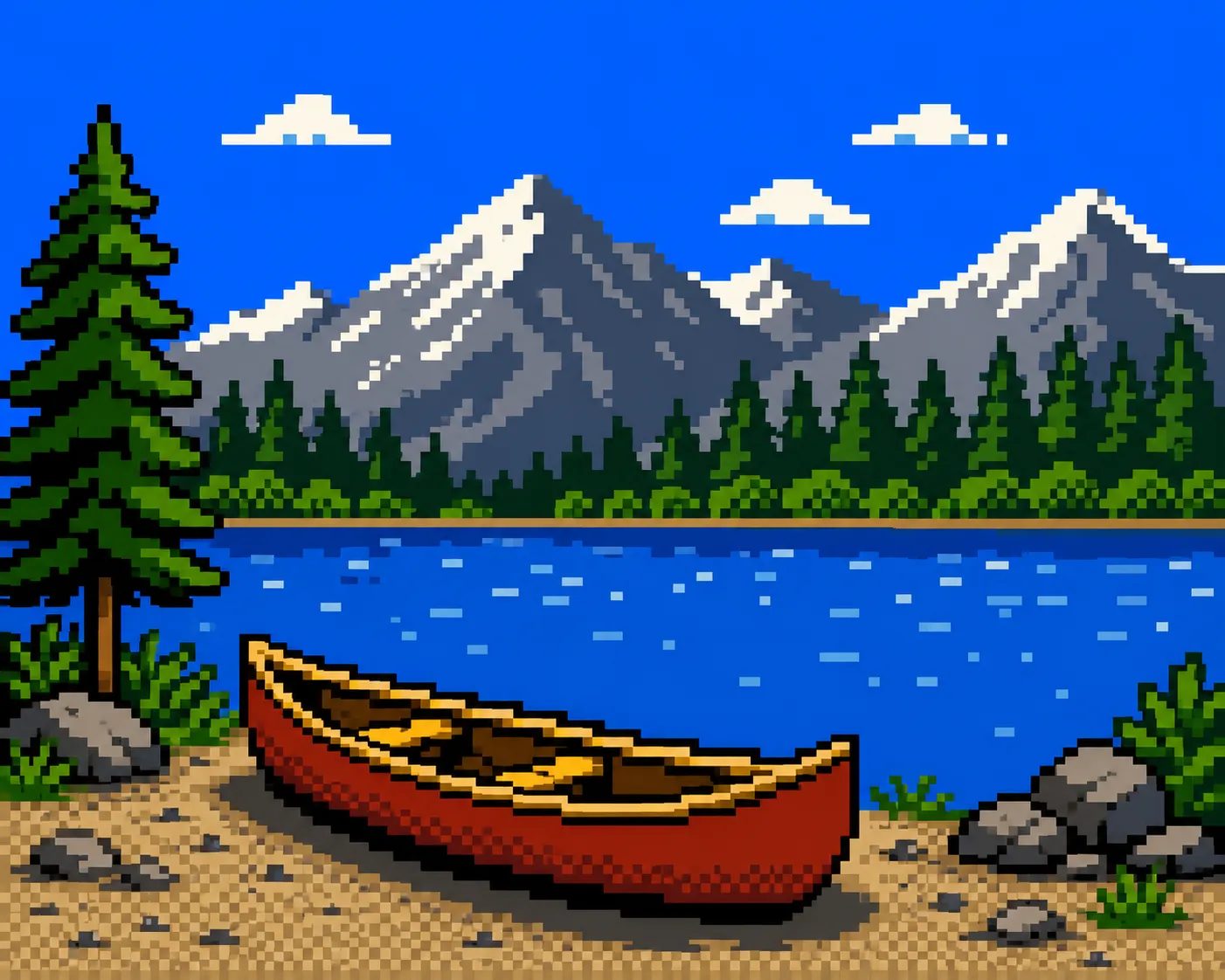
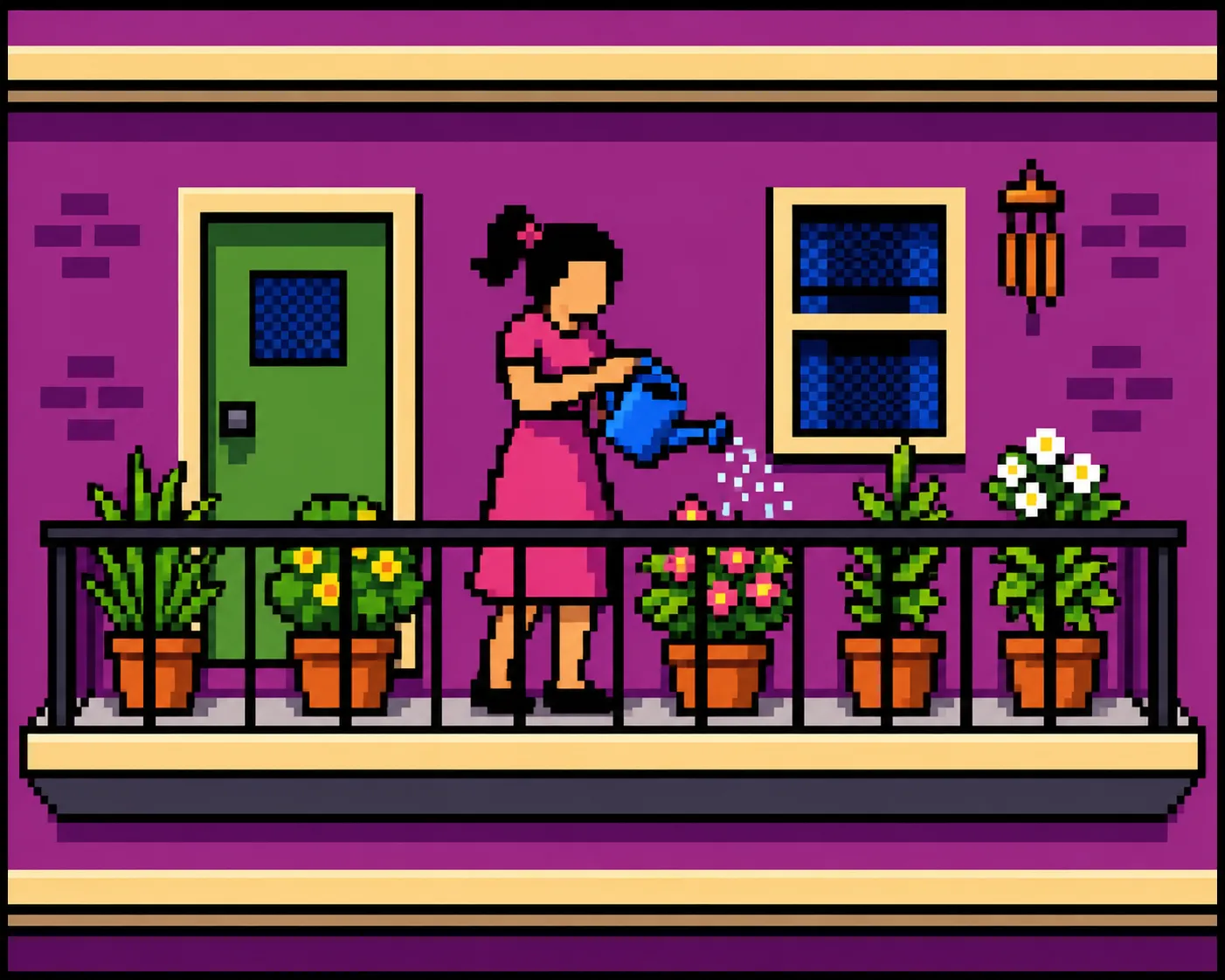
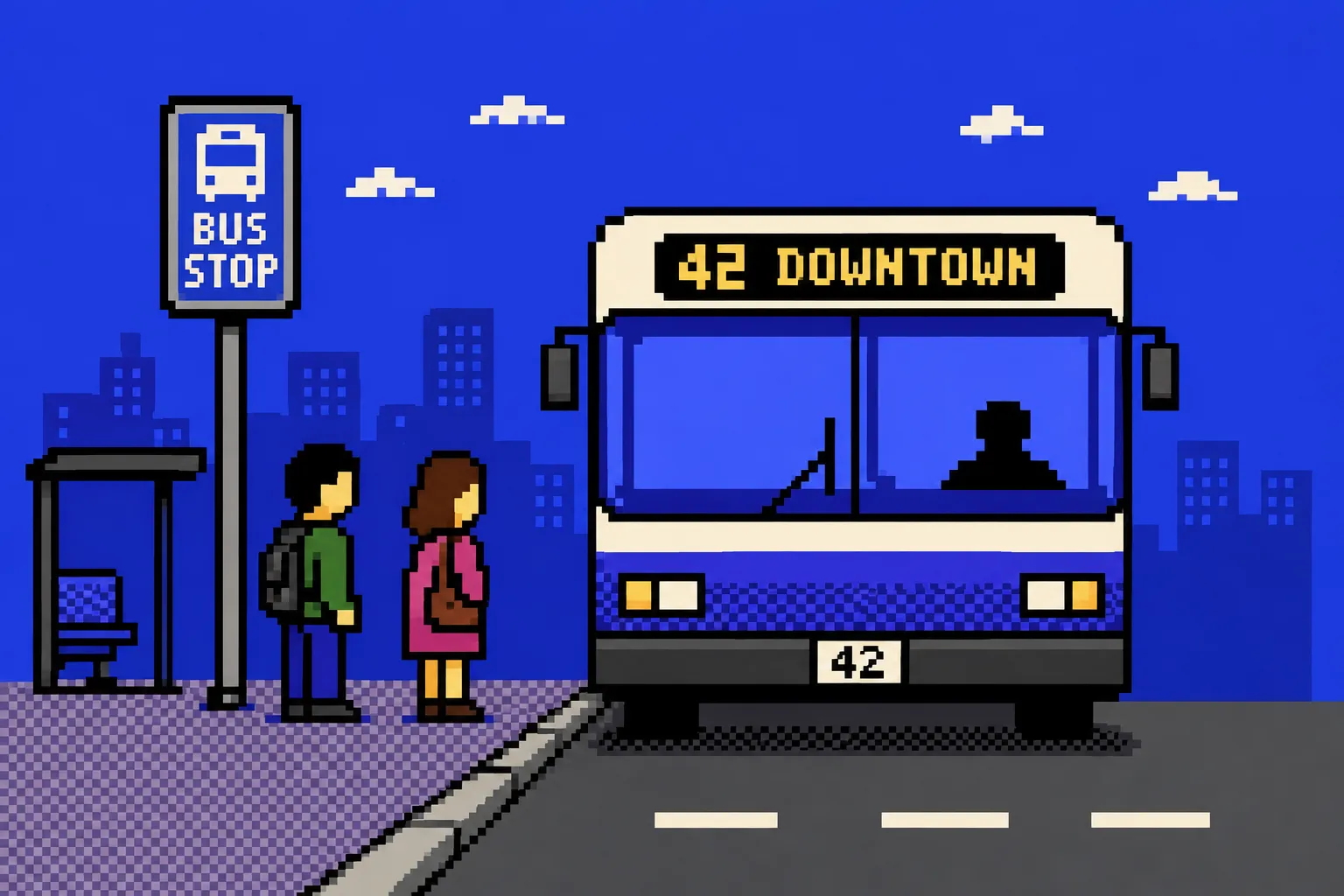
Pictures built the way an 8-bit console had to build them: a small grid of square pixels, three or four colours per object, and gradients faked with checkerboard dither because the hardware could not blend. Everything sits flat on the picture plane at sprite scale, so the silhouette carries the reading and detail is spent only where it identifies something. It suits game art, icons, small-format promos and any subject that gains from being reduced to its most readable shape.

Output Format

Creative Discipline
Game art
Medium
Digital
Delivery Mode
Still
Platform
Console
Resolution Target
Pixel Perfect
Scaling Expectation
Icon-scale
Canvas Behavior
Strict frame (nothing escapes)

Shape Language

Shape Basis
Geometric
Primitive Dominance
Rectangles
Edge Sharpness
Razor-sharp
Silhouette Clarity
Iconic
Negative Space Usage
Balanced

Line & Stroke System

Stroke Usage
Structural outlines
Stroke Weight
One-pixel contour
Stroke Consistency
Uniform
Stroke Color
Darkest palette color

Custom Style Items

Pixel Scale
Compose at native low resolution; enlarge only by whole-number nearest-neighbor multiples.
Color Ramp Rule
Use shadow, base, and highlight steps only; no intermediate hues or blended shading.
Dither Rendering
Use ordered 50% checkerboard dither for mid-tones; reduce dither density for falloff.
Sprite Economy
Spend detail only on silhouette, stance, head shape, and one identifying accessory.
Bitmap Typography
Draw uppercase monospaced glyphs in 8×8 cells with a one-pixel dark offset shadow inside solid ruled boxes.

Typography

Aa, Bb, Typography
Font FamilyMonospace
Line HeightTight
Font WeightsRegular
Letter SpacingOne pixel
Text Case
ALL CAPS
Font Pairing Strategy
Single family
Hierarchy
Strong contrast
Text Presence
Optional
Text Visual Role
Secondary visual element
Text Integration
Embedded in shapes

Light & Shadow

Lighting Presence
None (flat)
Lighting Mood Style
Implied high-left lighting through three-step pixel ramps
Lighting Direction
Top-lit
Shadow Type
Hard
Shadow Density
Deep

Surface, Material & Detail

Surface Treatment
Flat
Surface Texture Style
Ordered checkerboard dither; sparse pixel falloff; single-pixel specular dots
Texture Usage
Patterned
Imperfection Level
Clean
Abstraction Level
Semi-representational
Micro-detail Allowance
Minimal
Pattern / Motif Usage
Geometric pattern

References

Cultural References
8-bit home consoles, NES, Commodore 64
Temporal Reference
1980s

Background & Environment

Background Type
Solid color
Environment Mood
Abstract
Background–Subject Relationship
Contrasting
Background Complexity
Simple
Prop / Set Styling
Repeated tile motifs only

Colors

Palette Size
3–4 colors per object; 8–16 colors per scene
Saturation Range
Vivid
Contrast Strategy
High contrast
Gradient Policy
No gradients
Color Dominance
Background-dominant
Shadow Color
Neutral gray

Mood & Personality

Mood & Personality
Nostalgic, Bold, Clean, Playful
Energy Level
Vibrant
Real-world Accuracy
Stylized
Characters
Allowed (faceless)

Spatial Structure & Hierarchy

Perspective Style
Flat
Focal Structure
Single
Hierarchy Clarity
Strong
Layout Axis
Horizontal
Plane Separation Method
Overlap, Scale
Grid System
8×8 tile grid; visible repeated background tiles and horizontal banding
Visual Density
Balanced

Post-processing & Render Style

Image Treatment
Native low-resolution pixels enlarged with nearest-neighbor whole-number scaling
Sharpening Style
Crisp

Guardrails

Common Artifacts to Avoid
AI Gloss / Plastic Smoothing, Heavy Bokeh / Blur, Lens Flare, Film Grain / Noise, HDR over-processing, Over-saturation, Studio Post-processing, Stylistic filters
Avoided Visuals
anti-aliased edges; smoothed pixels; resampled pixels; non-integer scaling; alpha blending; soft sub-pixel shading; volumetric light shafts; tilt-shift blur; 3D diorama lighting; texture warp; bloom; semi-transparent overlays; soft drop shadows; motion blur; large multi-jointed sprites; 16-bit shading
Allowed Visuals
square pixels; whole-number scaling; hard one-pixel contours; three-step color ramps; ordered checkerboard dither; repeated 8×8 tiles; each 8x8 tile must have a solid color, flat saturated fields; hard ellipse shadows
© 2026 StyleRef. All rights reserved.