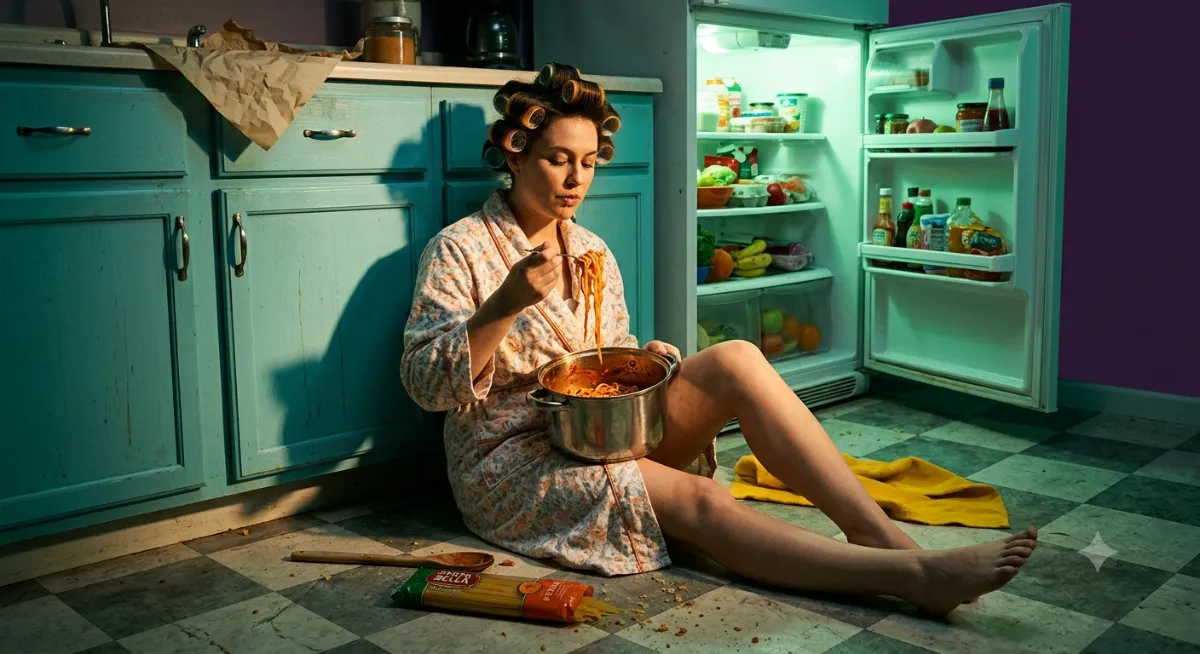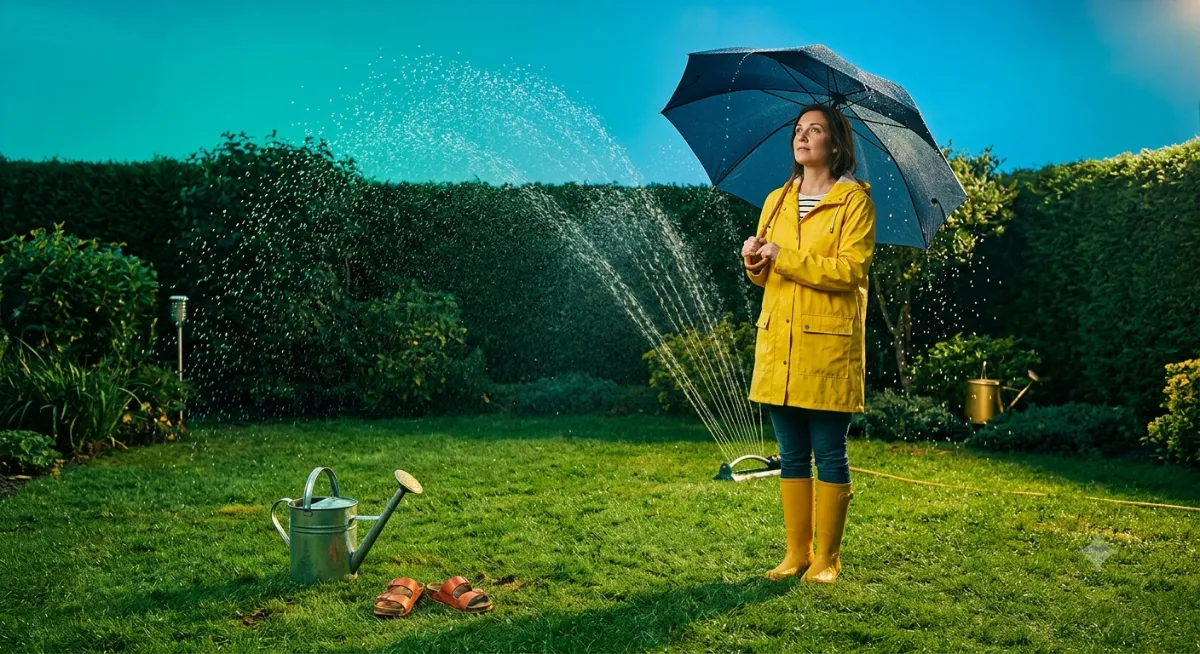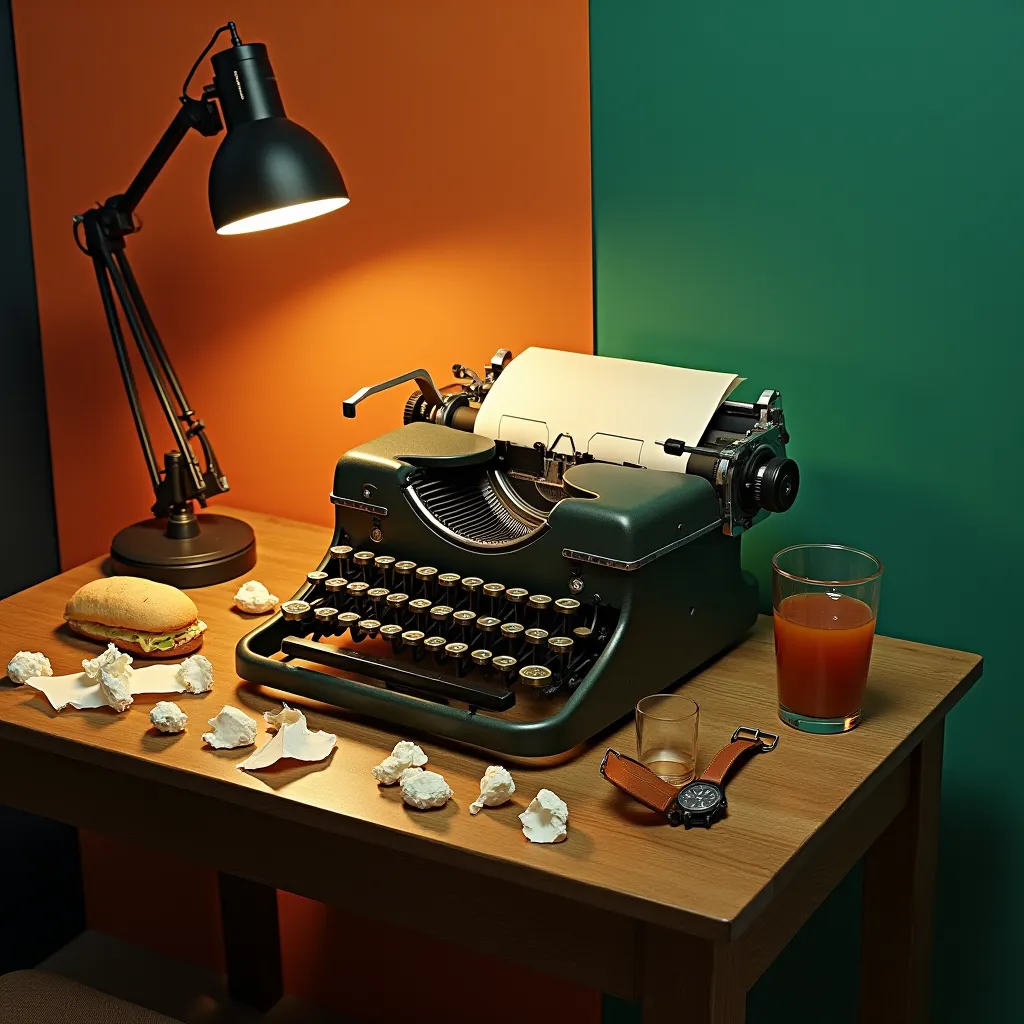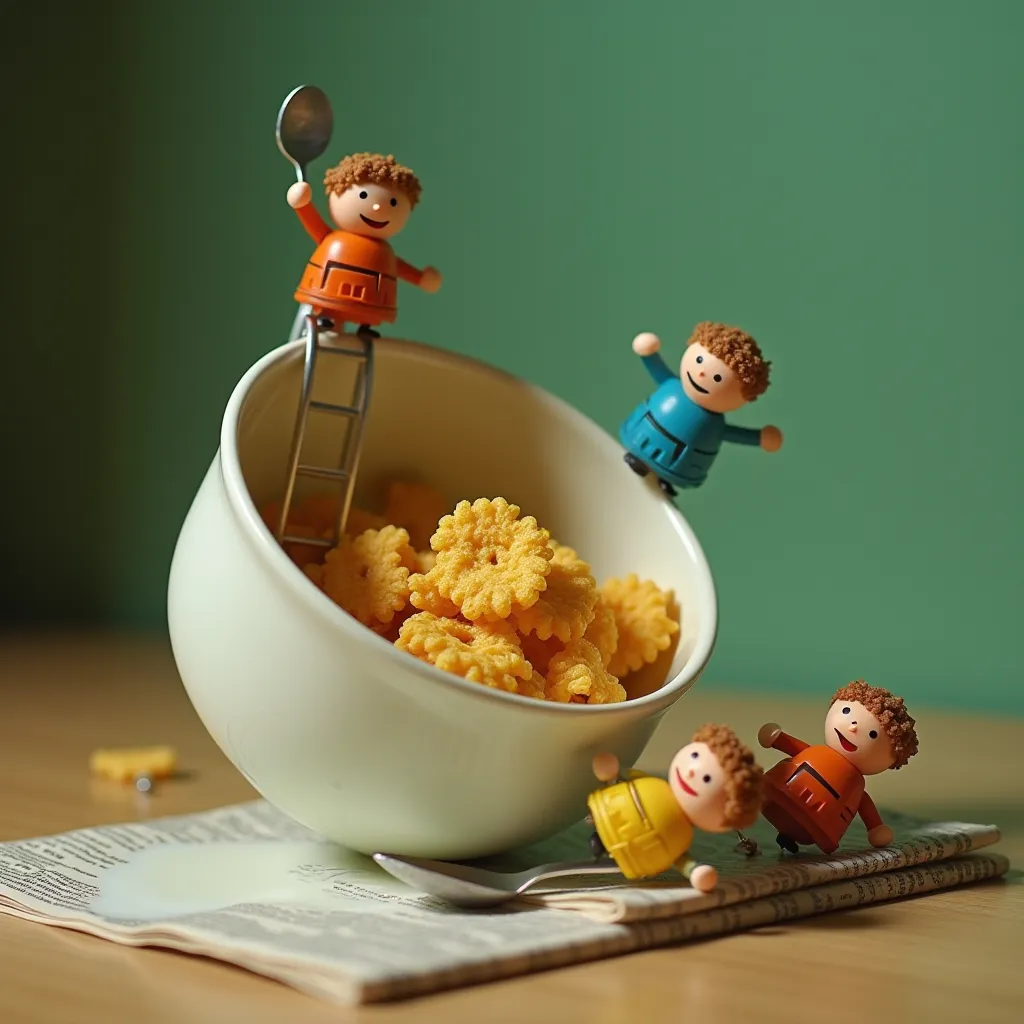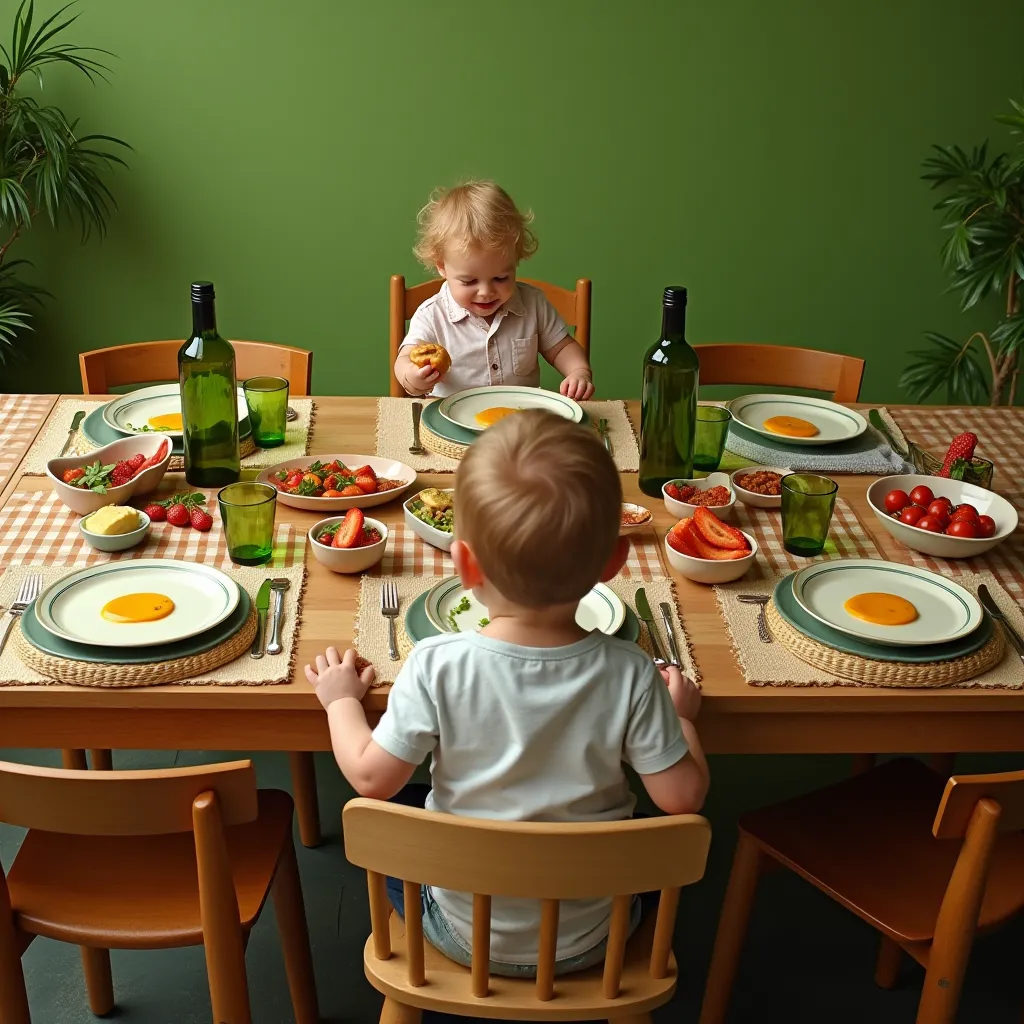
Raw Theatrical Cinematic

StyleRef·@styleref·
Extract your style to start building your Style Board.

Output Format

Creative Discipline
Photography
Medium
Digital
Delivery Mode
Still

Light & Shadow

Lighting Mood Style
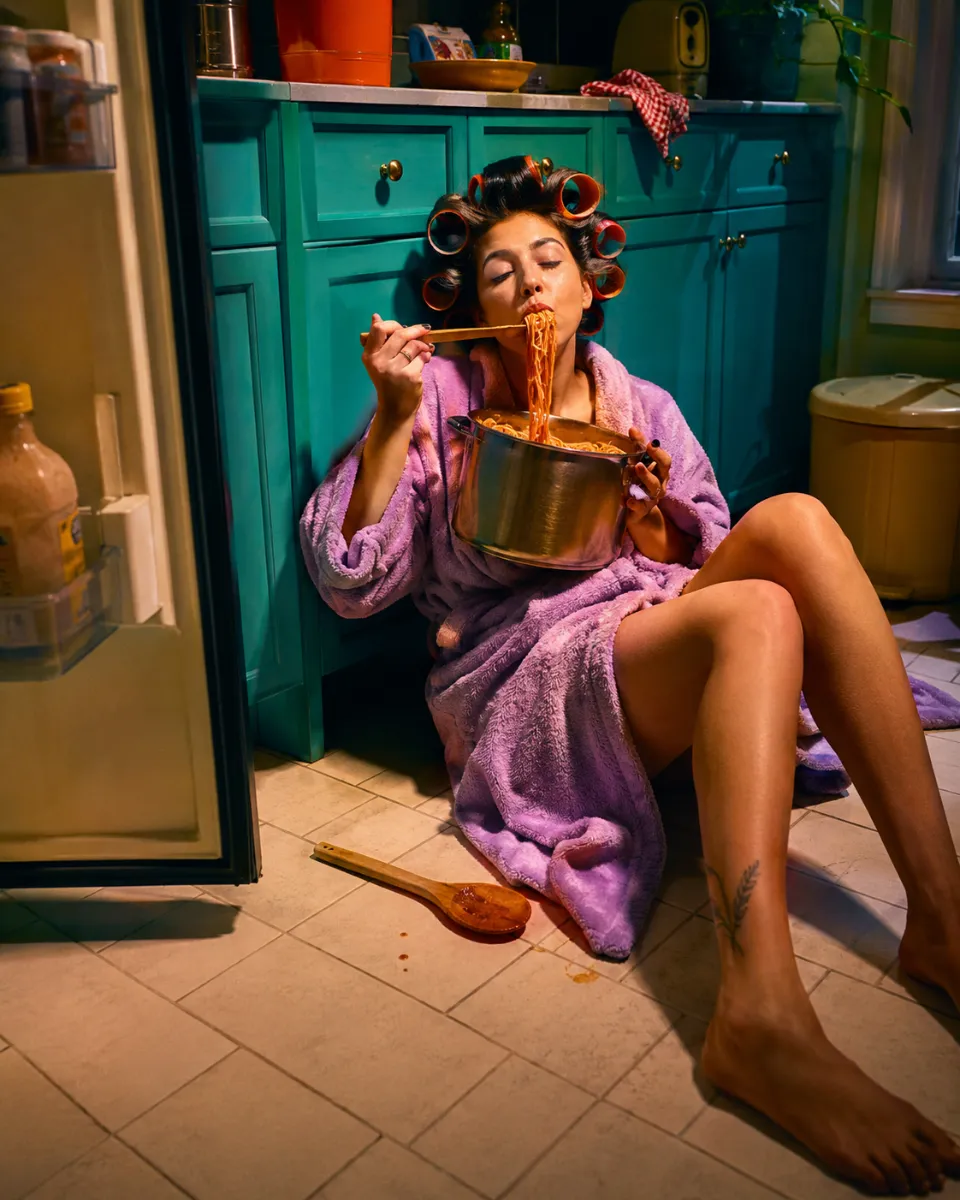
Situational theatrical lighting; cinematic shadows; saturated colored light
Key Light Style
Hard-to-mixed (defined shadows, crisp speculars on objects)
Light Source Type
Artificial
Light Source Count
Single
Lighting Direction
Side-lit / top-side key creating strong cast shadows
Shadow Type
Hard
Shadow Density
Deep
Fill-light Ratio
Subtle fill; shadows retained for shape and mood
Exposure Bias
Slight underexposure to preserve saturation and shadow detail
Color Grading Style
Stylized (saturation-forward, hue-bent color stories)
Atmospheric Density
Crisp
Lighting Presence
Explicit

Inspiration Images

Colors

#1FA76A12%
#F05A2812%
#F29A2E12%
#F2C94C9%
#7FE07A9%
#2FC6C89%
#2D9CDB6%
#D8CCB69%
#8B5A3C7%
#2B1B3D6%
#5DAA529%
Palette Size
Unlimited colors
Color Temperature
Mixed: warm key on props/skin; cool-green backgrounds
Saturation Range
Vivid
Contrast Strategy
High contrast
Hue Relationships
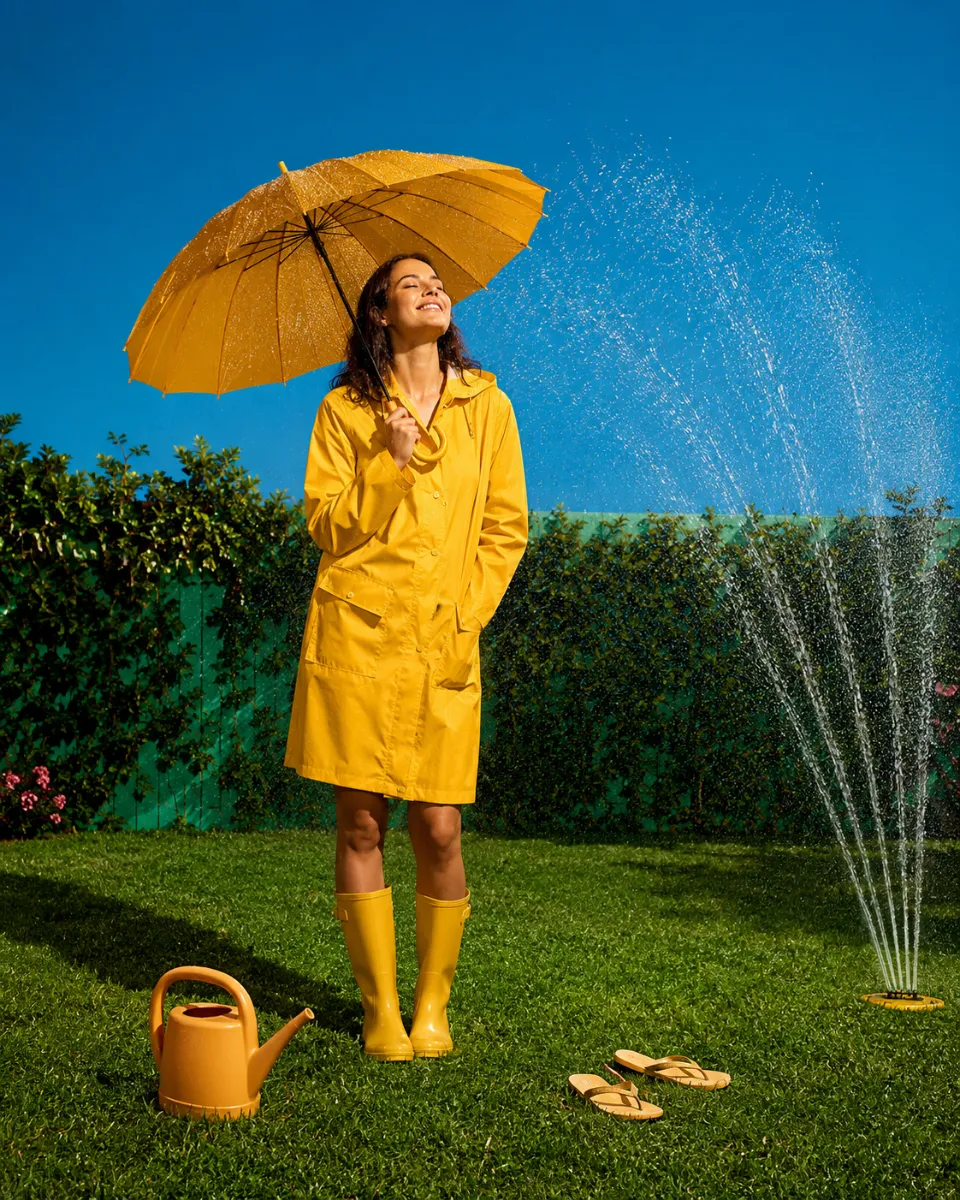
Split-complementary feel (green/cyan fields vs orange/yellow accents; occasional purple hero)
Shadow Color
Hue-shifted

Spatial Structure & Hierarchy

Perspective Style
2-point
Focal Structure
Primary + secondary
Hierarchy Clarity
Strong: one hero object/product supported by story props
Symmetry
Asymmetrical balance
Balance Type
Tension-based (controlled clutter, diagonals, cropped elements)
Layout Axis
Diagonal and tabletop planes; dynamic cropping
Plane Separation Method
Overlap; shadow; saturated color blocking
Visual Density
Balanced-to-busy (rich prop density without losing read)

Camera and Motion

Camera Shot Size
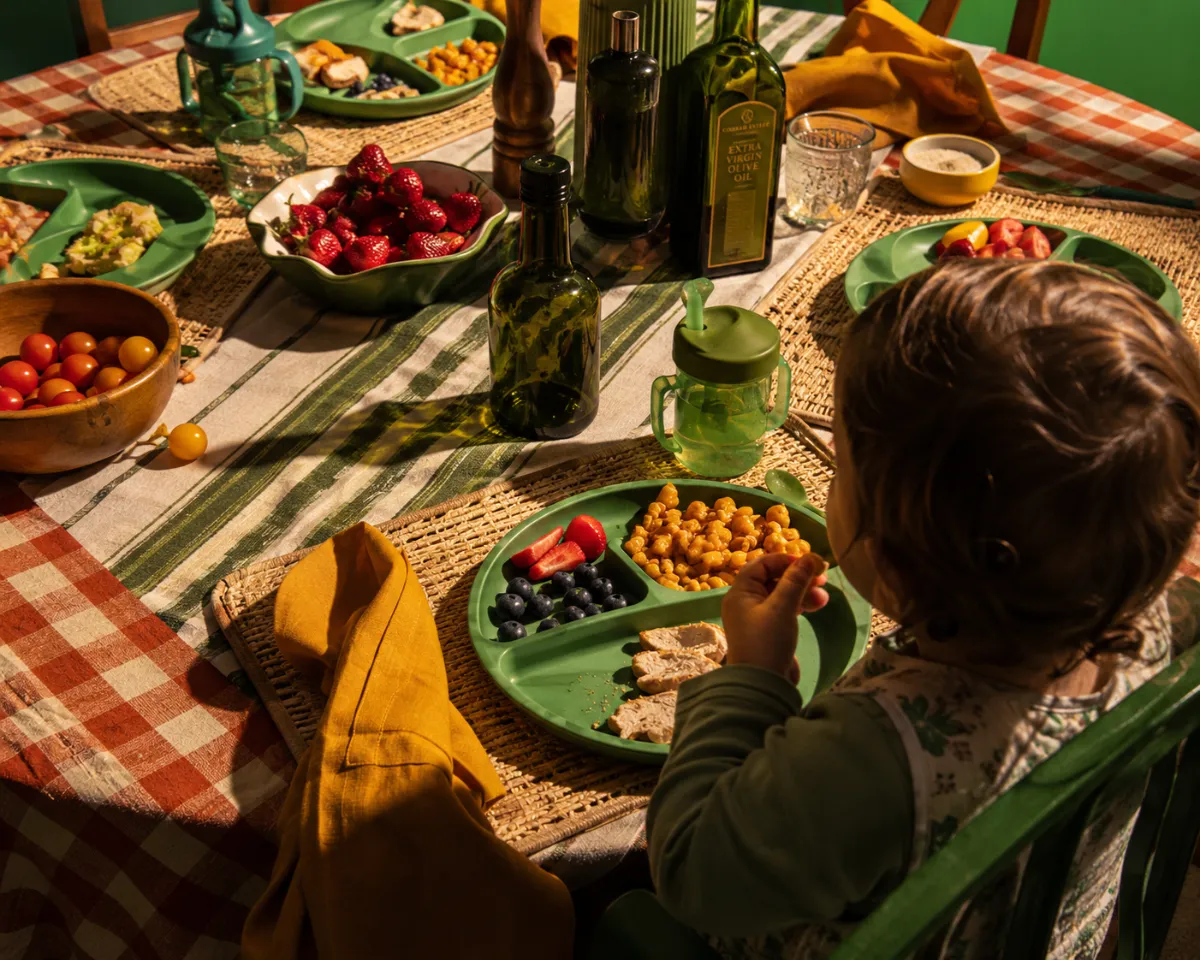
Close-up to Medium shot product/prop tableaux; occasional human presence within scene
Camera Vertical Angle
High angle / tabletop; occasional eye-level for still-life
Depth of Field
Deep to selective focus (readable props; minimal background blur)
Lens Type
Standard
Focal Length Feel
Normal
Camera Movement
Static
Time Capture
Frozen moment

Surface, Material & Detail

Material Simulation
Paper, Fabric, Wood, Glass, Metal, Plastic, Food surfaces
Surface Treatment
Mostly matte with selective glossy/specular hits (glass, plastics, sauces)
Surface Texture Style
Fabric weave; paper crinkle; wood grain; food texture realism
Texture Usage
Photographic
Imperfection Level
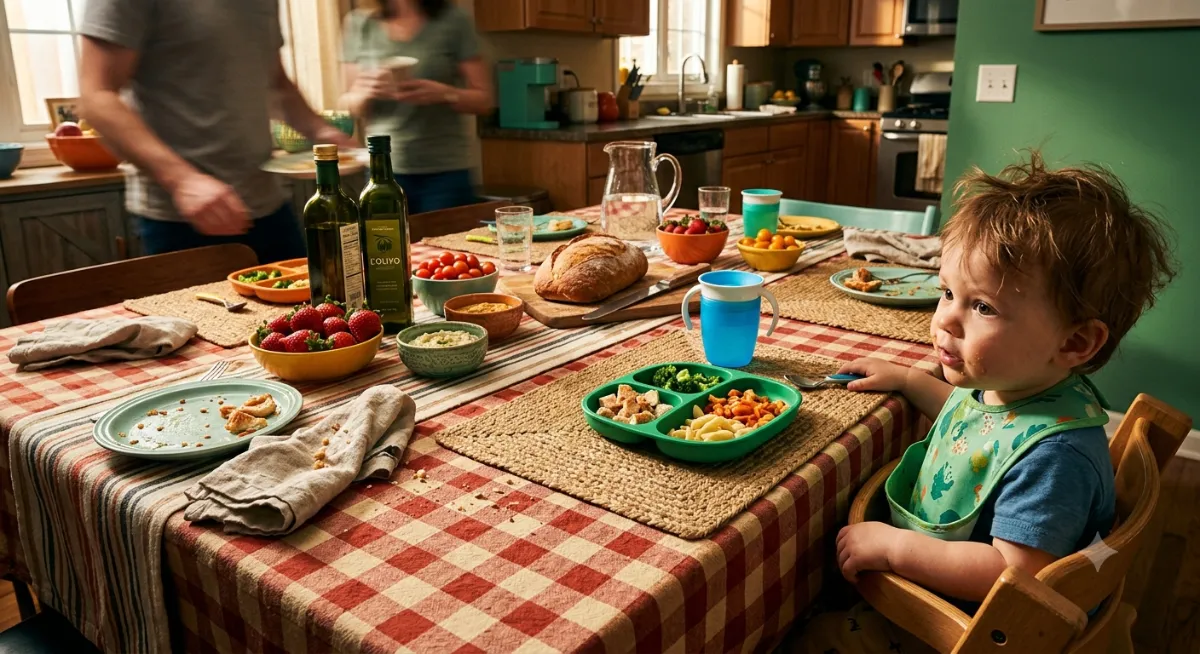
Organic: intentional imperfections, real crumbs/creases/unevenness
Abstraction Level
Realistic
Micro-detail Allowance
Encouraged
Micro-detail Types
Natural imperfections, RAW-file realism

Mood & Personality

Mood & Personality
Bold, Dramatic, Experimental, Documentary realism, Everyday authenticity, offbeat, "honest about its artifice"
Energy Level
Vibrant
Emotional Bias
Neutral with slight tension / offbeat
Tone Register
Performative
Real-world Accuracy
Stylized
Narrative Allowance
Full scene
Characters
Allowed (detailed)

References

Cultural References
Contemporary (2026) cinematic advertising photography; theatrical still-life tableaux
Temporal Reference
Contemporary

Post-processing & Render Style

Tone Curve Shape
Custom contrast with punchy mids; controlled highlight rolloff
Grain Character
Minimal grain; avoid glossy hyper-filter look
Sharpening Style
Crisp
Image Treatment
Full-color

Background & Environment

Background Type
Environment + bold solid-color sets (tabletop scenes; colored seamless backdrops)
Environment Mood
Studio-built worlds that read as real spaces
Background–Subject Relationship
Integrated
Background Complexity
Moderate-to-complex: curated clutter with clear hero focus
Prop / Set Styling
Curated narrative props; “staged chaos” with purposeful placement

Guardrails

Common Artifacts to Avoid
AI Gloss / Plastic Smoothing, HDR over-processing, Over-saturation, Stylistic filters
Allowed Visuals
hard cast shadows; saturated colored key light; narrative props; visible real textures (paper crinkles, fabric weave); purposeful “staged chaos”; cinematic color stories

Custom Style Items

Authenticity Through Artifice
Overtly staged sets that still feel emotionally real; leave small imperfections (crumbs, creases, uneven placement).
Color Story Rule
Bold color-blocked backgrounds; reserve warm orange/yellow accents for hero cues; allow hue-bends that feel slightly unreal.
Chaos With Clarity
Many props, but a clean read: one hero product/subject, 1–2 supporting story beats, everything else subordinate.
Shadow-as-Design
Use hard cast shadows as compositional lines; let shadows create diagonals and separation between objects.
© 2026 StyleRef. All rights reserved.