Teal & Orange Blockbuster

StyleRef·@styleref·
Extract your style to start building your Style Board.

Description

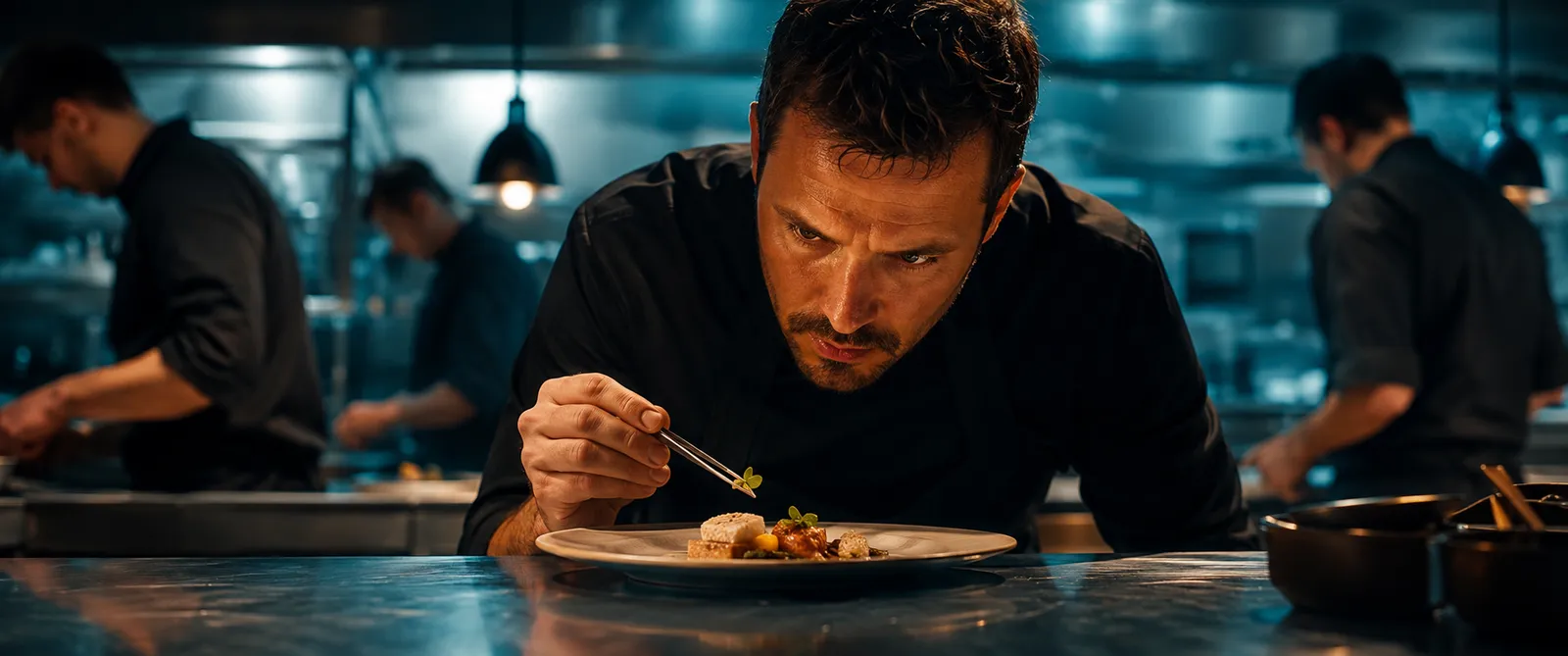
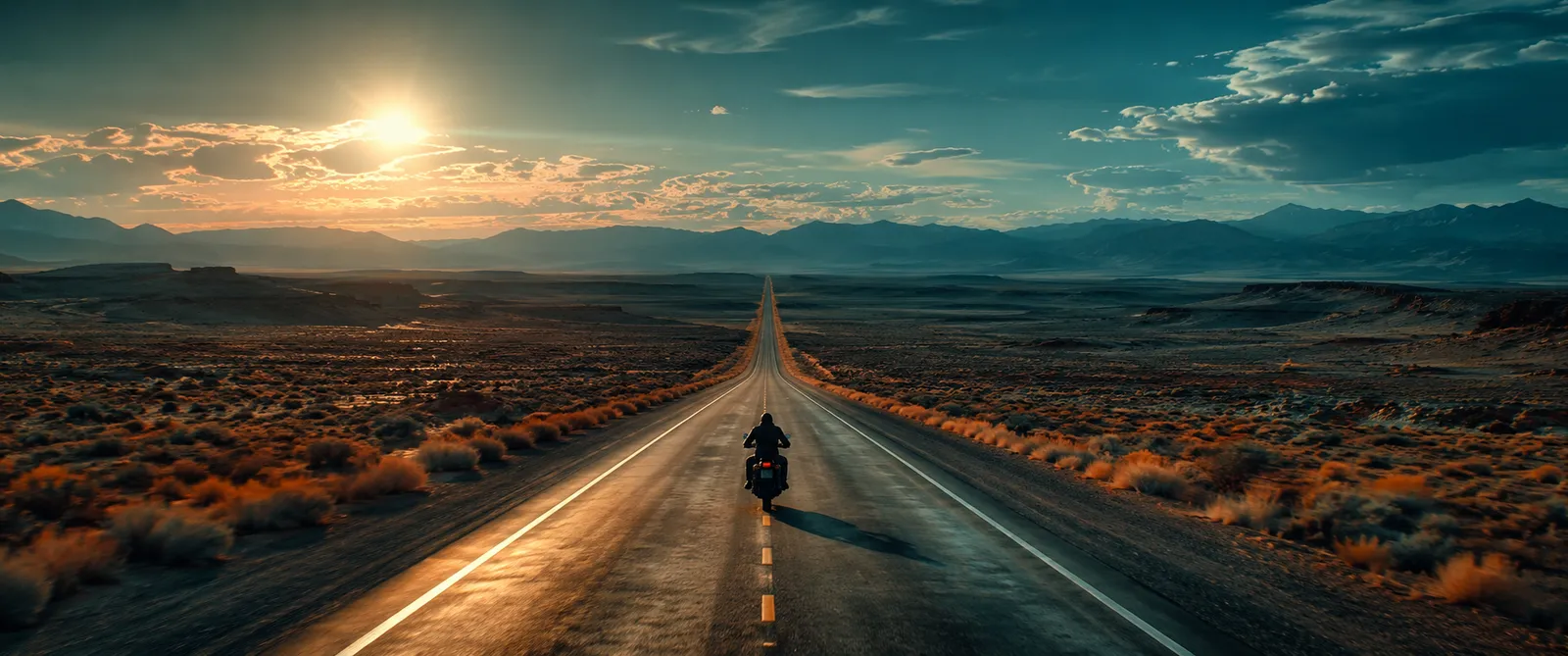
The glossy Hollywood grade that warms skin and highlights toward orange and drops shadows into cyan-teal, so faces pop off cooler backgrounds. It suits action, portraits, and wide establishing shots that want a big-budget, high-contrast finish. Inspired by the digital-intermediate color work that has dominated blockbuster cinema since the mid-2000s.

Output Format

Creative Discipline
Cinematography
Medium
Film
Delivery Mode
Sequence
Aspect Ratio
2.39:1 (Cinematic Landscape)
Cropping Priority
Subject-aware

Mood & Personality

Mood & Personality
Dramatic, Confident, Sophisticated, Luxurious
Energy Level
Vibrant
Emotional Bias
Tense
Real-world Accuracy
Loosely accurate
Narrative Allowance
Full scene
Characters
Allowed (detailed)

Spatial Structure & Hierarchy

Focal Structure
Single
Hierarchy Clarity
Strong
Balance Type
Center-weighted
Plane Separation Method
Color/value shift, Overlap
Visual Density
Balanced

Camera and Motion

Depth of Field
Shallow focus
Bokeh Style
Anamorphic oval
Lens Artifacts
Anamorphic Flare
Frame Rate Feel
Cinematic (24 fps)

Colors

#0B6F7C30%Usage: Shadow areas
#168C9B20%Usage: Background midtones
#D67A3220%Usage: Skin tones
#F2B35D15%Usage: Highlight areas
#080C0E10%Usage: Black point
#F5F3EA5%Usage: Clean highlights
Palette Size
3–5 colors
Color Temperature
Mixed
Saturation Range
Rich
Contrast Strategy
High contrast
Hue Relationships
Complementary
Gradient Policy
No gradients
Color Dominance
Subject-dominant
Shadow Color
Hue-shifted
Black & White Point
Crushed blacks + Pure white

References

Cultural References
Digital-intermediate blockbuster cinema; Michael Bay's Transformers (2007)
Temporal Reference
Contemporary

Post-processing & Render Style

Tone Curve Shape
S-curve
Grain Character
Fine digital
Sharpening Style
Crisp
Halation
Subtle
Image Treatment
Full-color

Custom Style Items

Split-Tone Rule
Keep orange-amber highlights and cyan-teal shadows simultaneously present; never reduce the frame to a single-color wash.
Subject Separation
Reserve warmth for faces and foreground subjects; push backgrounds and shadowed midtones cool.
Midrange Treatment
Heavy weighted midrange; build separation through hue and saturation opposition as well as value contrast.

Light & Shadow

Lighting Mood Style
Naturalistic-to-situational lighting, split-toned in grading
Key Light Style
Hard-ish key modeling
Light Source Type
Mixed
Shadow Density
Dense
Fill-light Ratio
Subtle fill
Exposure Bias
Balanced
Color Grading Style
Teal & Orange
Bloom / Glow Usage
Subtle
Lighting Presence
Explicit

Surface, Material & Detail

Surface Treatment
Glossy
Surface Texture Style
Grain
Texture Usage
Subtle noise
Imperfection Level
Polished
Abstraction Level
Realistic

Background & Environment

Background Type
Scene
Background–Subject Relationship
Contrasting
Background Complexity
Moderate

Guardrails

Common Artifacts to Avoid
Uncanny skin, Over-saturation, HDR over-processing, Stylistic filters
Avoided Visuals
monochrome color wash; muddy swamp-green teal; desaturated gray murk; vaporwave magenta-cyan neon; pumpkin-orange skin
Allowed Visuals
clean cyan-teal shadows; amber-orange skin; clean highlights; cool environments; warm foreground subjects; horizontal anamorphic flare streaks
© 2026 StyleRef. All rights reserved.