Impasto Brushstroke Oil

StyleRef·@styleref·
STYLE REFERENCE — HARD CONSTRAINT (HIGHEST PRIORITY) This style must be applied to ALL generated content (text, image, video). If any part of the request conflicts with this style, the style OVERRIDES the request. STYLE DEFINITION (to be operationally enforced): Impasto Brushstroke Oil • Output Format: Creative discipline: Fine art. • Mood & Personality: Elegant, Sophisticated, Raw; Real-world accuracy: Stylized. • Colors: Palette: Solid Colors: [ #8A3F22 22% (Ground), #4A2B1B 18% (Transparent darks), #B27A2D 18% (Ochre passages), #E8DDC8 25% (Body lights), #B8C6C8 10% (Cool light accents), #A9552A 7% (Mixed brush color)]; 6–8 colors; Warm temperature; Saturation: Rich; Value contrast; Color dominance: Subject-dominant; Shadow Color: Warm transparent earth darks; never pure black or cool gray; Black/White point: Lifted blacks + Rolled-off highlights; No gradients. • Typography: Text presence: None. • Light & Shadow: Lighting mood style: Single soft warm form light plus raking surface light; Key light style: Soft; Mixed; Lighting direction: Side-lit; Light source count: Single; Shadow type: Soft form shadows with tiny hard shadows cast by paint ridges; Shadow density: Deep; Lighting presence: Explicit. • Spatial Structure & Hierarchy: Single focal structure; Hierarchy: Strong; Balance: Center-weighted; Plane separation: Color/value shift; Visual density: Balanced. • Surface, Material & Detail: Material simulation: Fabric; Surface treatment: Satin; Texture: Brushed, canvas weave, bristle tracks, palette-knife facets, thin scumbles; Texture usage: Patterned; Imperfection level: Organic; Stylized realism; Micro-detail allowance: Encouraged; Age of surface: Timeless. • Shape Language: Organic; Edge sharpness: Predominantly lost and softened edges; one focal edge remains crisp; Silhouette clarity: Recognizable; Negative space usage: Balanced. • Line & Stroke System: No stroke (fill-only); Loaded directional brush marks describe form; no drawn outlines consistency. • Background & Environment: Background type: Environment; Background–Subject: Integrated; Background complexity: Simple; Prop styling: Minimal. • Artistic Mediums & Techniques: Physical medium: Oil on Canvas; Illustrative technique: Directional impasto oil, wet-on-wet dragging, palette-knife facets, scumbling, transparent glazing. • References: Painterly impasto oil tradition, illustration-108 Flat Folk Naive Painting; Temporal reference: Timeless. • Guardrails: Avoid: AI Gloss / Plastic Smoothing, Film Grain / Noise, Stylistic filters; Avoid Visuals: smooth academic finish; invisible brushwork; digital oil-paint filter; uniform swirl patterns; identically sized strokes; flat evenly detailed folk-naive rendering; canvas texture overlay; specular white varnish blowout; Avoid Colors: pure black darks; cool gray shadows; Allowed Visuals: directional loaded brushstrokes; visible bristle tracks; palette-knife slabs; torn paint edges; warm earth ground; thin scumbles; uneven satin sheen; lost edges; one crisp focal passage. • Focal Paint Build: One lit subject plane holds the thickest paint and the only genuinely sharp edge; all other edges dissolve into adjacent passages., Compositional Logic: Subject sits simple and close to the picture plane; forms are organized by value and edge, not drawn contour., Paint Topography: Standing ridges and troughs catch raking light; each ridge carries a highlight and a small trailing shadow., Surface Variation: Satin finish varies by passage: some paint sinks matte while thicker areas remain slick., Pigment Handling: Warm transparent glazes reveal an earth ground; cool lead-white body lights sit thicker on top., Brush Color Mixing: Mix two or three hues directly on the loaded brush so color stays partly unmixed along each stroke.. ENFORCEMENT RULE: Before finalizing the output, internally verify that ALL elements comply with the style definition above. If compliance is uncertain, simplify or soften the output until it fully matches the style. Generated by StyleRef.io

Description

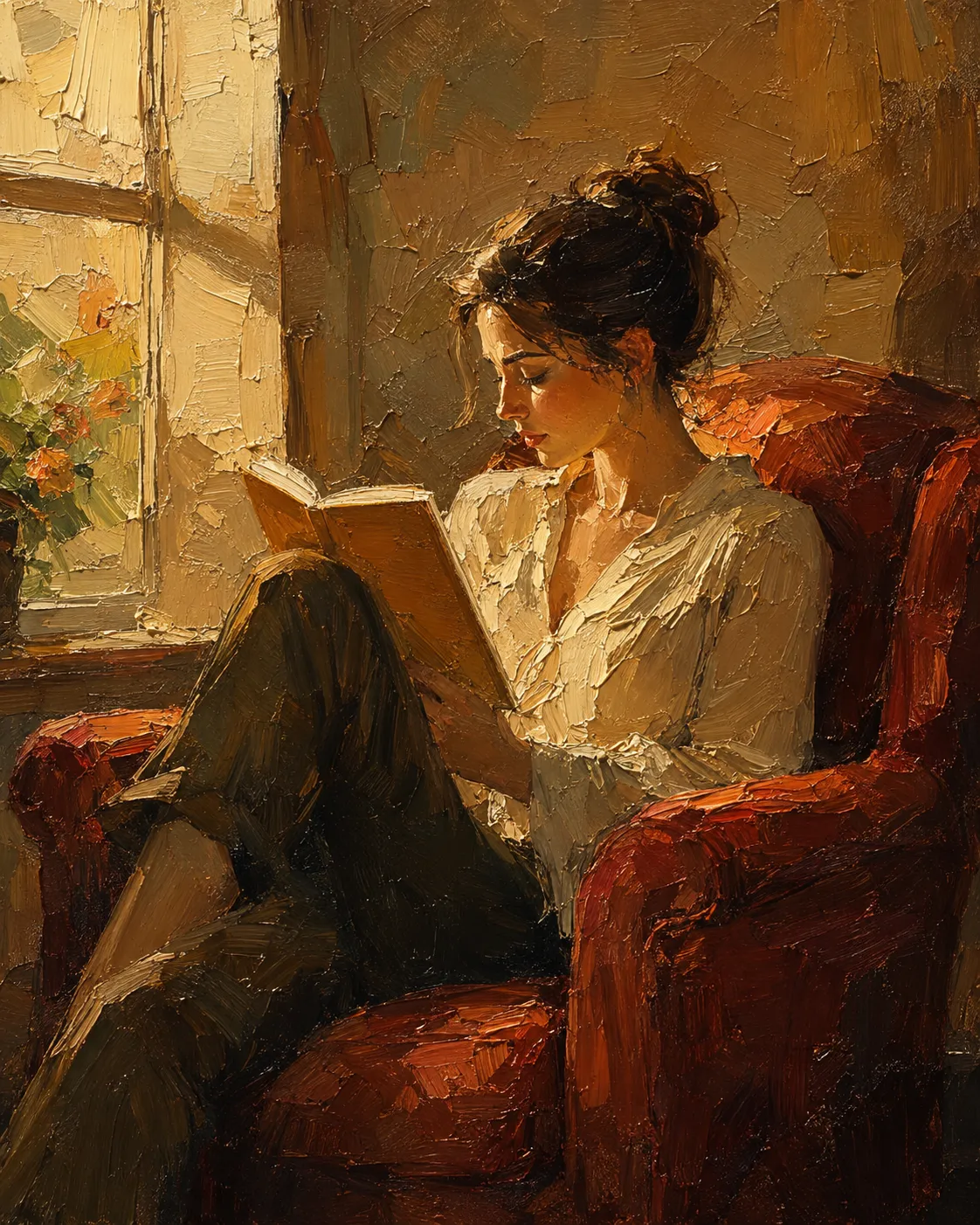
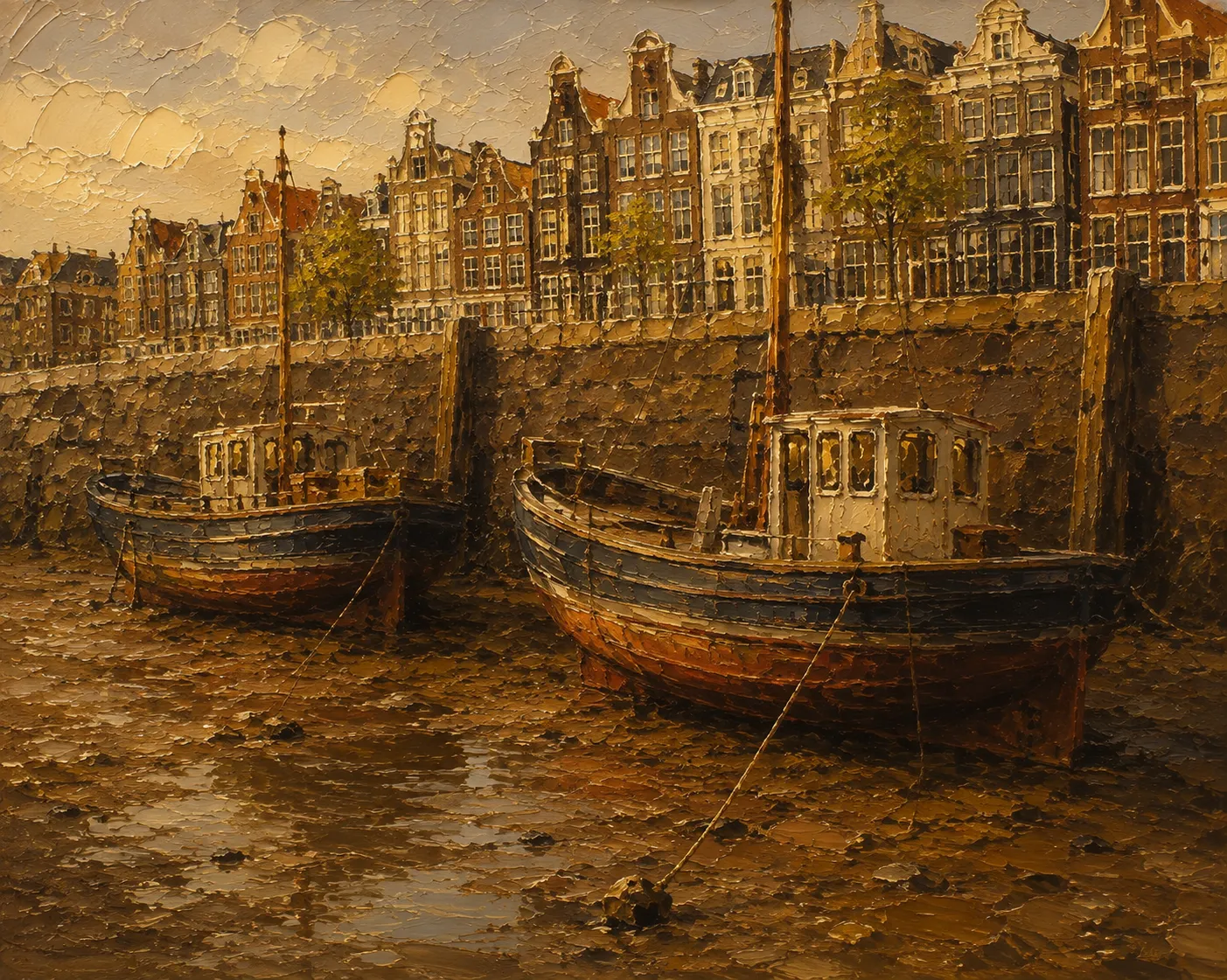
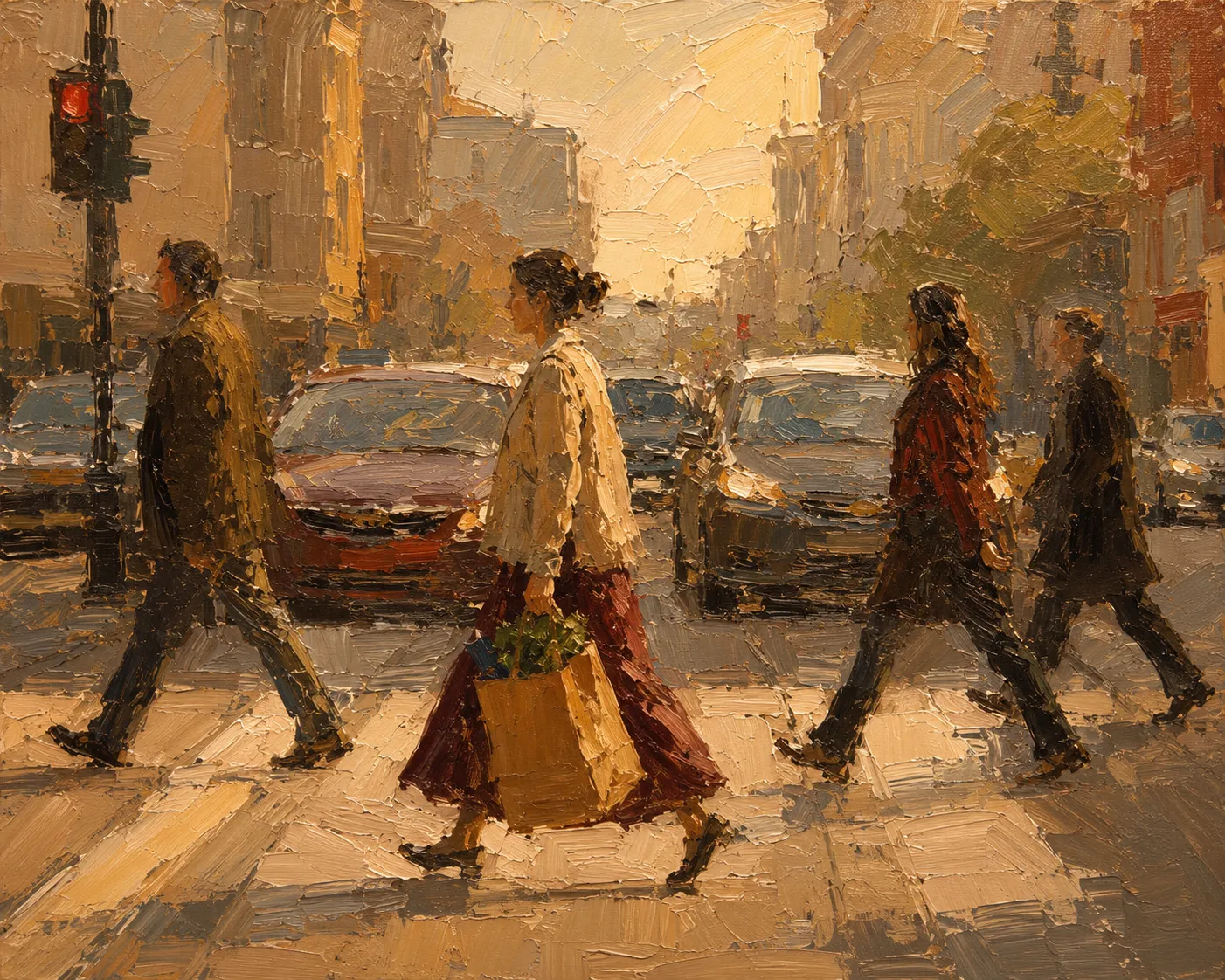
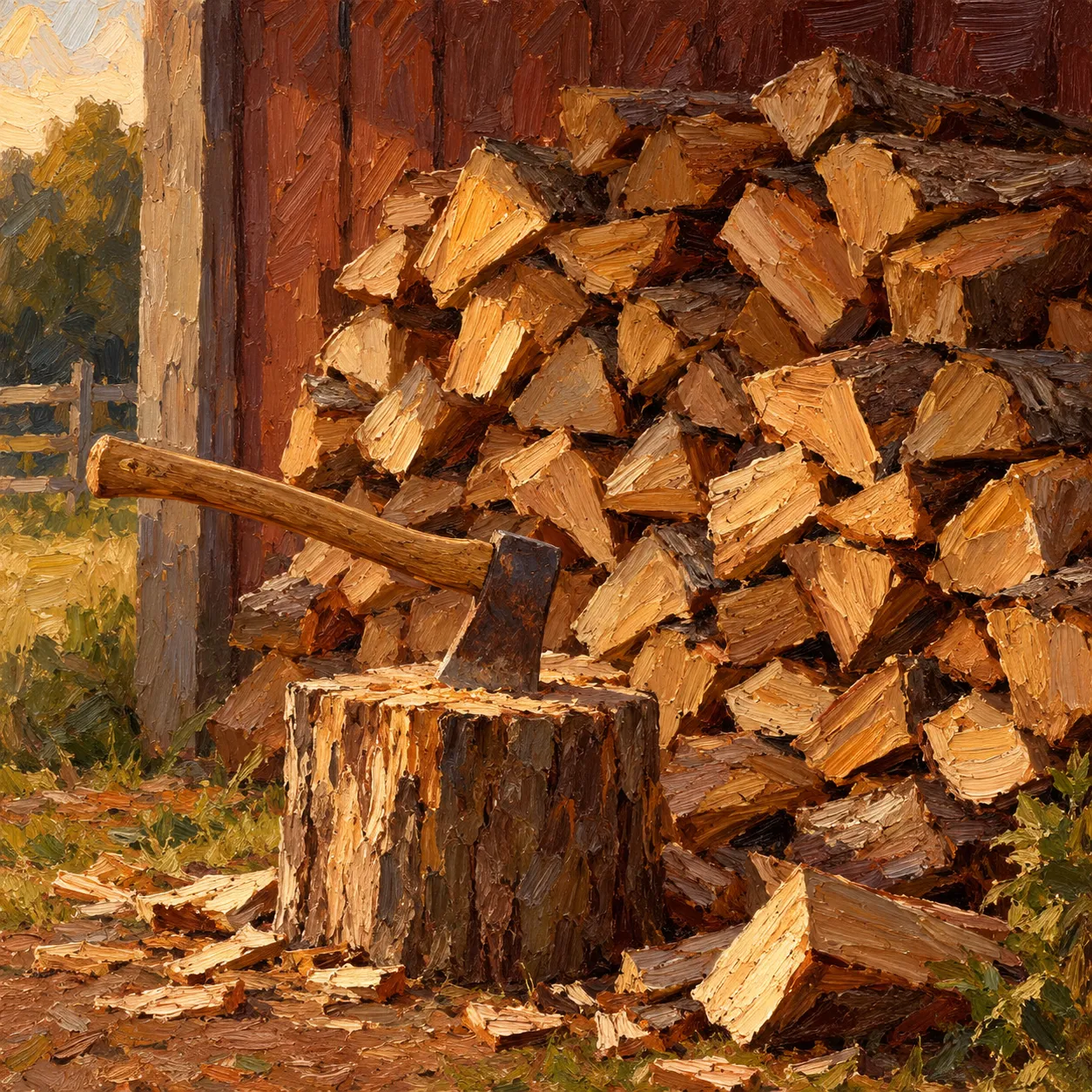
Oil paint applied thickly enough to hold the shape of the brush: ridges and troughs that catch the light, warm transparent glazes underneath, and edges that dissolve where one passage meets the next. Detail is carried by the direction of the stroke rather than by drawing. It suits portraits, still life, landscape and any subject that should look made of paint.

Output Format

Creative Discipline
Fine art

Light & Shadow

Lighting Mood Style
Single soft warm form light plus raking surface light
Key Light Style
Soft
Light Source Type
Mixed
Lighting Direction
Side-lit
Light Source Count
Single
Shadow Type
Soft form shadows with tiny hard shadows cast by paint ridges
Shadow Density
Deep
Lighting Presence
Explicit

Spatial Structure & Hierarchy

Focal Structure
Single
Hierarchy Clarity
Strong
Balance Type
Center-weighted
Plane Separation Method
Color/value shift
Visual Density
Balanced

Shape Language

Shape Basis
Organic
Edge Sharpness
Predominantly lost and softened edges; one focal edge remains crisp
Silhouette Clarity
Recognizable
Negative Space Usage
Balanced

Artistic Mediums & Techniques

Physical Medium
Oil on Canvas
Illustrative Technique
Directional impasto oil, wet-on-wet dragging, palette-knife facets, scumbling, transparent glazing

Typography

Text Presence
None

Mood & Personality

Mood & Personality
Elegant, Sophisticated, Raw
Real-world Accuracy
Stylized

References

Cultural References
Painterly impasto oil tradition, illustration-108 Flat Folk Naive Painting
Temporal Reference
Timeless

Guardrails

Common Artifacts to Avoid
AI Gloss / Plastic Smoothing, Film Grain / Noise, Stylistic filters
Avoided Visuals
smooth academic finish; invisible brushwork; digital oil-paint filter; uniform swirl patterns; identically sized strokes; flat evenly detailed folk-naive rendering; canvas texture overlay; specular white varnish blowout
Avoided Colors
pure black darks; cool gray shadows
Allowed Visuals
directional loaded brushstrokes; visible bristle tracks; palette-knife slabs; torn paint edges; warm earth ground; thin scumbles; uneven satin sheen; lost edges; one crisp focal passage

Custom Style Items

Focal Paint Build
One lit subject plane holds the thickest paint and the only genuinely sharp edge; all other edges dissolve into adjacent passages.
Compositional Logic
Subject sits simple and close to the picture plane; forms are organized by value and edge, not drawn contour.
Paint Topography
Standing ridges and troughs catch raking light; each ridge carries a highlight and a small trailing shadow.
Surface Variation
Satin finish varies by passage: some paint sinks matte while thicker areas remain slick.
Pigment Handling
Warm transparent glazes reveal an earth ground; cool lead-white body lights sit thicker on top.
Brush Color Mixing
Mix two or three hues directly on the loaded brush so color stays partly unmixed along each stroke.

Colors

#8A3F2222%Usage: Ground
#4A2B1B18%Usage: Transparent darks
#B27A2D18%Usage: Ochre passages
#E8DDC825%Usage: Body lights
#B8C6C810%Usage: Cool light accents
#A9552A7%Usage: Mixed brush color
Palette Size
6–8 colors
Color Temperature
Warm
Saturation Range
Rich
Contrast Strategy
Value contrast
Color Dominance
Subject-dominant
Shadow Color
Warm transparent earth darks; never pure black or cool gray
Black & White Point
Lifted blacks + Rolled-off highlights
Gradient Policy
No gradients

Surface, Material & Detail

Material Simulation
Fabric
Surface Treatment
Satin
Surface Texture Style
Brushed, canvas weave, bristle tracks, palette-knife facets, thin scumbles
Texture Usage
Patterned
Imperfection Level
Organic
Abstraction Level
Stylized realism
Micro-detail Allowance
Encouraged
Age of Surface
Timeless

Line & Stroke System

Stroke Usage
No stroke (fill-only)
Stroke Consistency
Loaded directional brush marks describe form; no drawn outlines

Background & Environment

Background Type
Environment
Background–Subject Relationship
Integrated
Background Complexity
Simple
Prop / Set Styling
Minimal
© 2026 StyleRef. All rights reserved.