Analog Broadcast

StyleRef·@styleref·
Extract your style to start building your Style Board.

Description

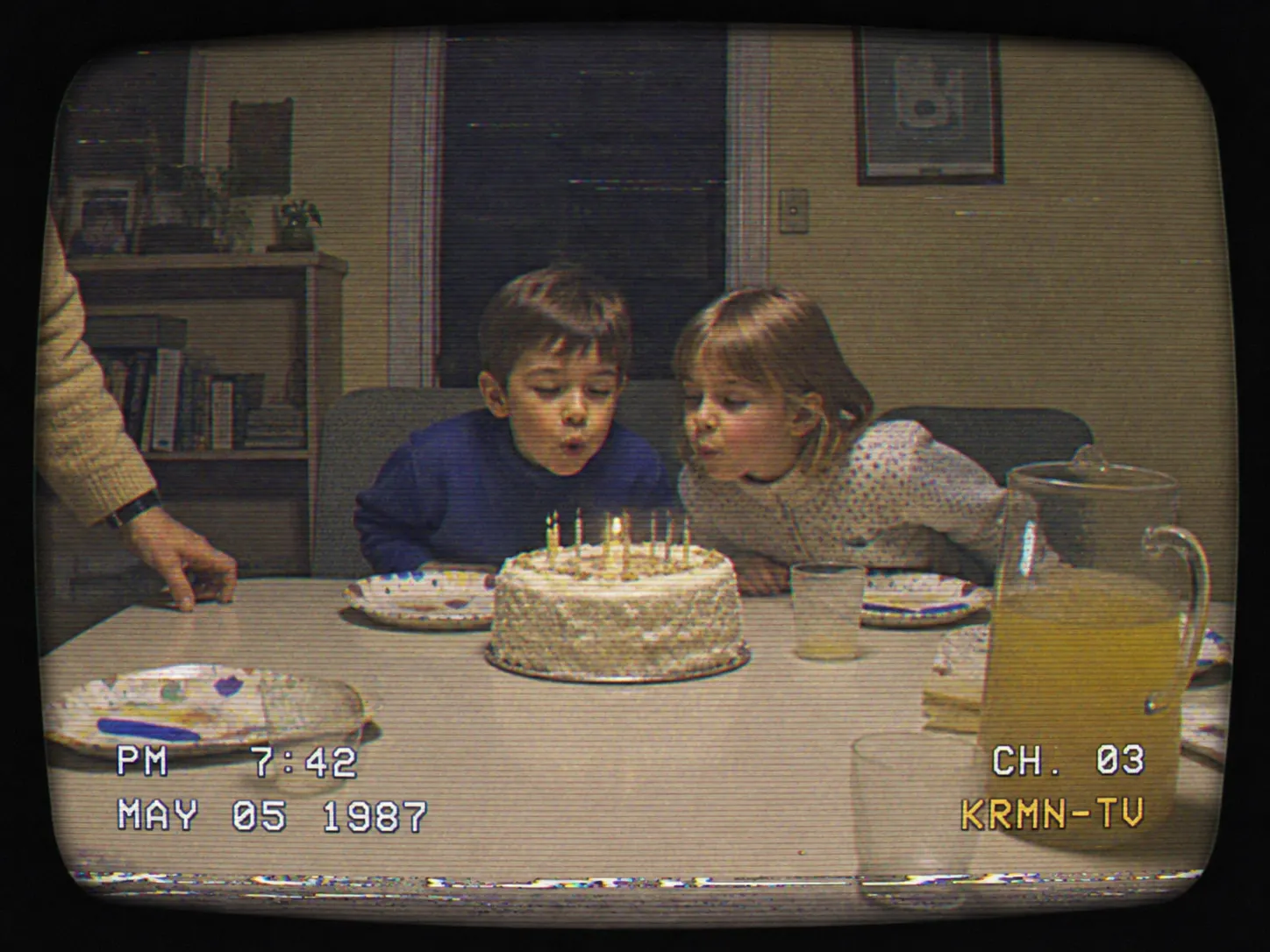
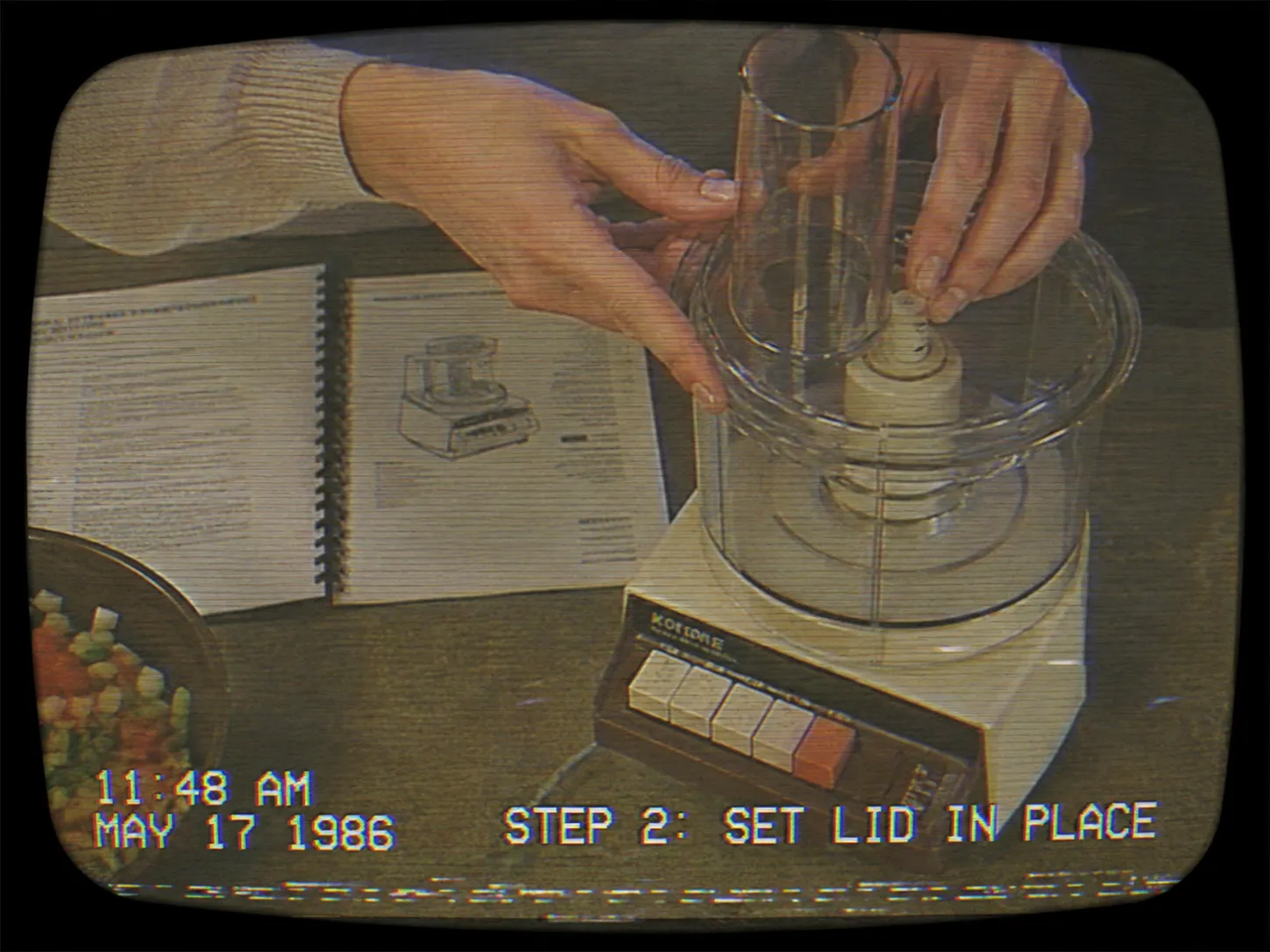
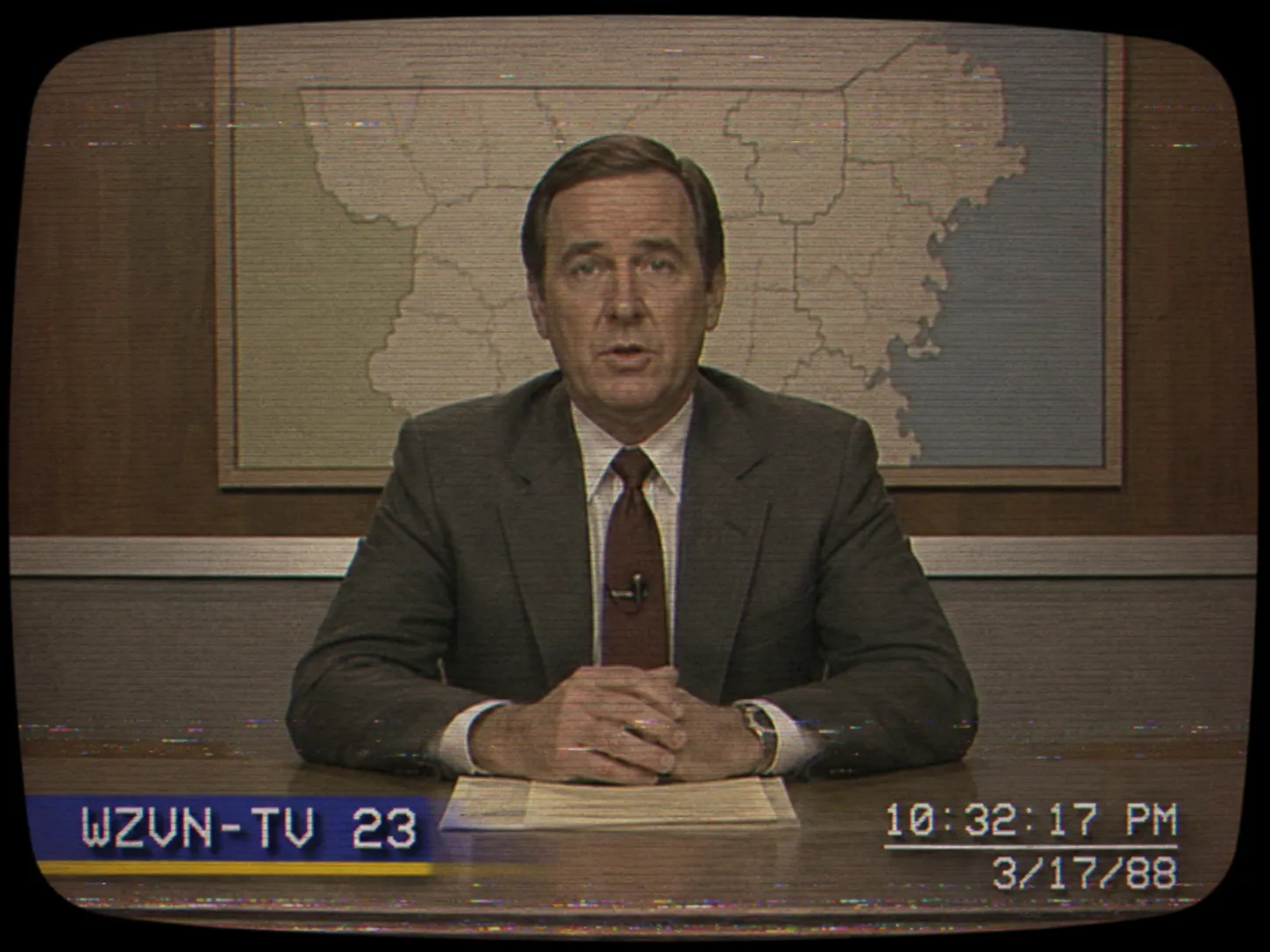
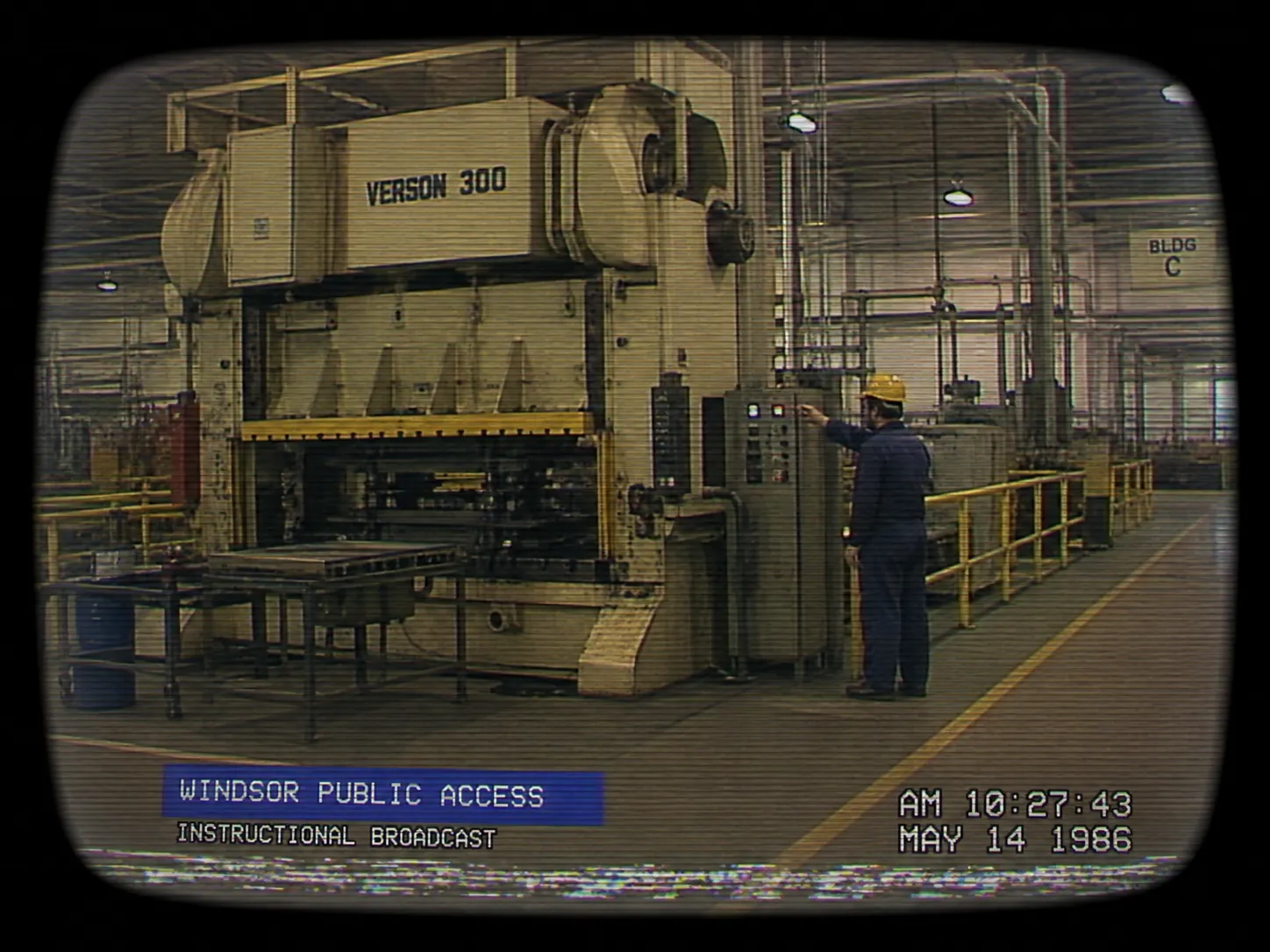
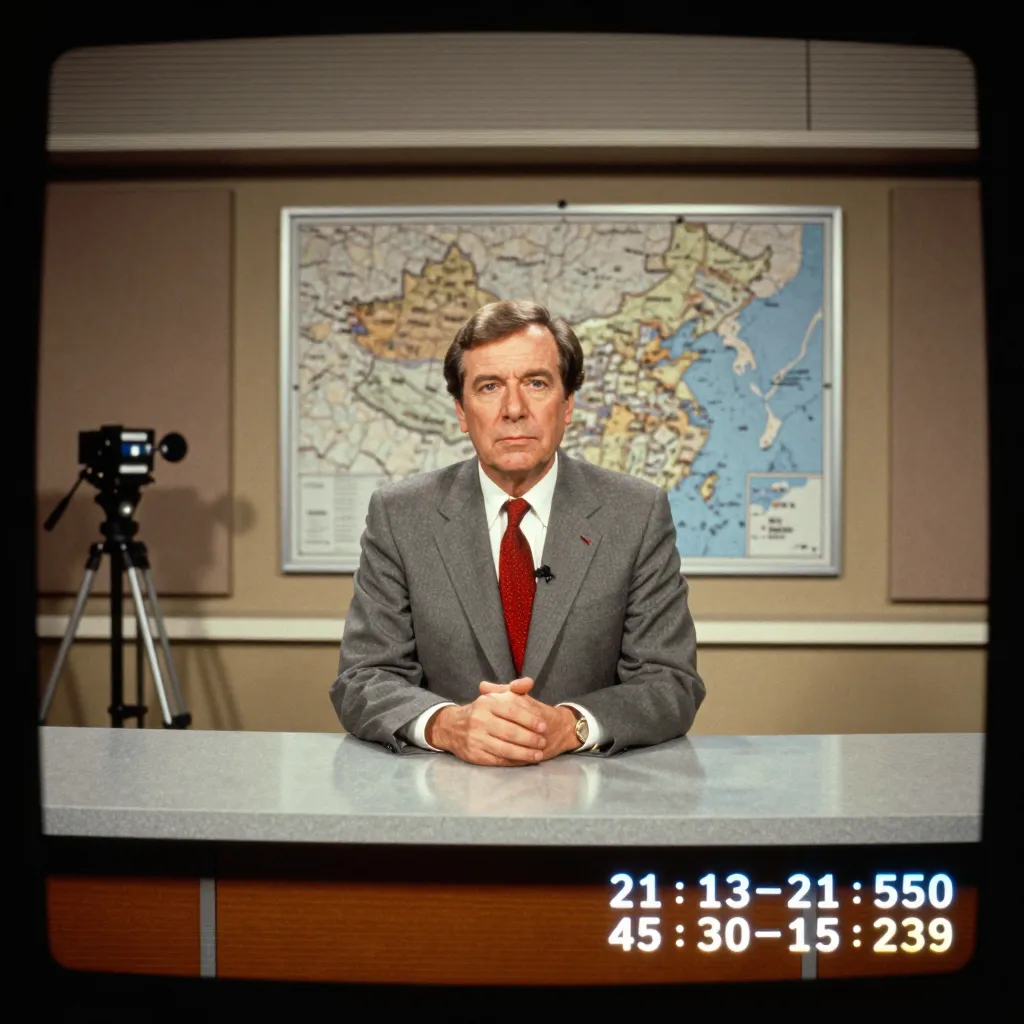
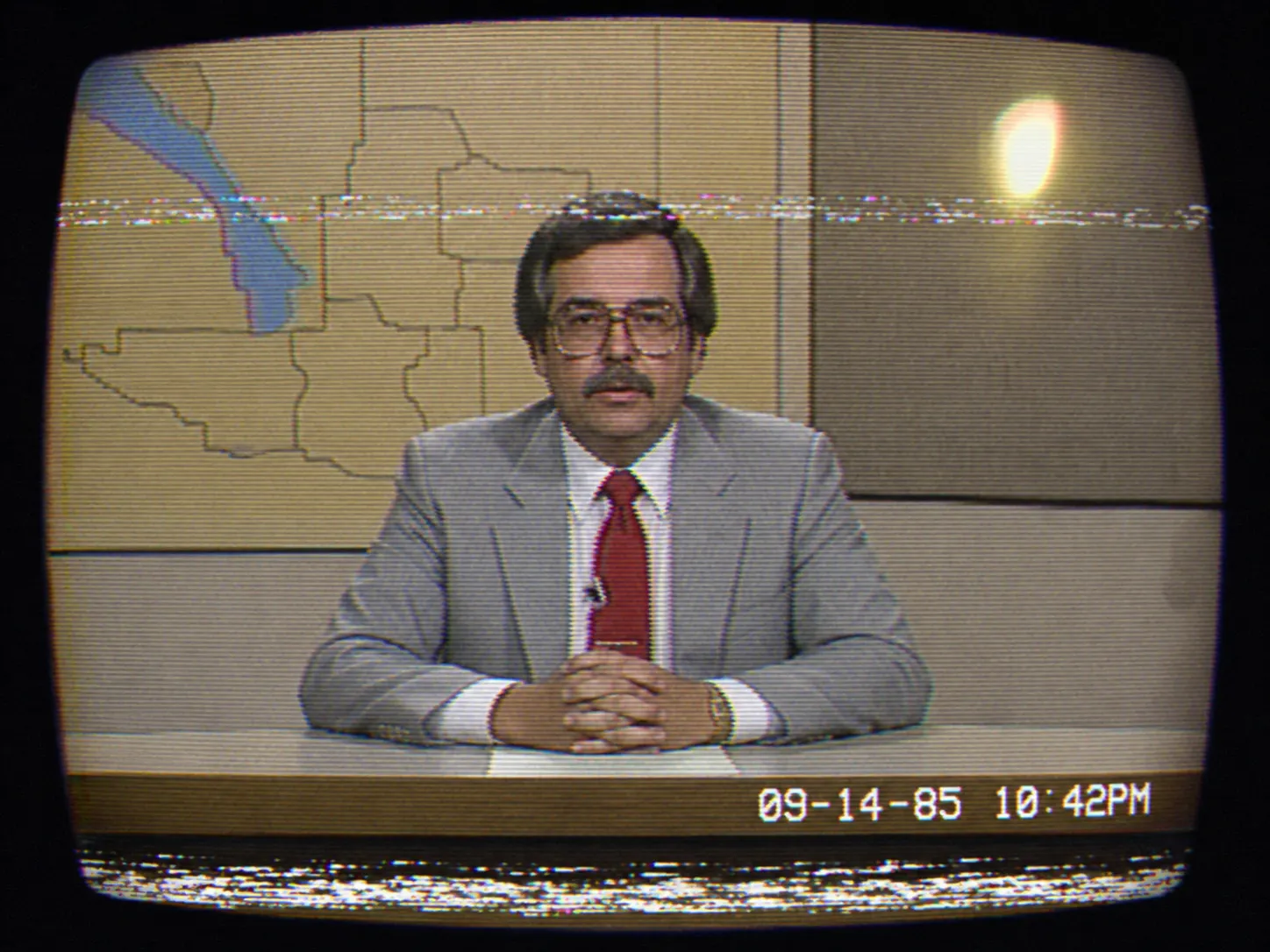
A hijacked-broadcast look: 4:3 tape footage worn down by tracking noise, scanlines and smeared colour, with a burned-in timestamp sitting over the flat, tungsten-lit calm of public-access television. It suits locked-off interiors, to-camera pieces and instructional set-ups where the damage to the picture carries more dread than anything happening inside it. Inspired by the analog videos that spread on YouTube from the mid-2010s and the 1980s broadcast and training tapes they imitate.

Colors

#9A856A28%Usage: Studio flats
#847A6418%Usage: Carpet and laminate
#5A3A2914%Usage: Wood veneer
#70736314%Usage: Upholstery and concrete
#B78E7010%Usage: Skin tones
#423B3410%Usage: Shadow areas
#1A4CBA3%Usage: Broadcast blue
#E5C51C3%Usage: Signal-bar accents
Palette Size
6–8 colors
Color Temperature
Tungsten
Saturation Range
Subdued
Contrast Strategy
Low contrast with abrupt white static blowouts
Color Dominance
Background-dominant
Black & White Point
Lifted blacks + Rolled-off highlights
Shadow Color
Hue-shifted

Inspiration Images

Mood & Personality

Mood & Personality
Dark, Serious, Mysterious, Documentary realism, institutional calm
Energy Level
Mellow
Emotional Bias
Tense
Tone Register
Observational
Real-world Accuracy
Loosely accurate
Narrative Allowance
Full scene
Characters
Allowed (detailed)

Camera and Motion

Camera Shot Size
Medium shot
Camera Vertical Angle
Eye level
Depth of Field
Deep, low-resolution tape softness; no cinematic shallow focus
Lens Type
Standard
Focal Length Feel
Normal
Point of View
Objective
Camera Movement
Static
Motion Intensity
Statuesque
Motion Implication
Static
Frame Rate Feel
Broadcast (30 fps)
Transition Type
Glitch, tracking interruption

Post-processing & Render Style

Tone Curve Shape
Film-emulation
Grain Character
Stylized
Sharpening Style
None
Halation
Subtle
Image Treatment
Full-color

Typography

Aa, Bb, Typography
Font FamilyMonospaced bitmap timestamp; heavy broadcast sans for titles and lower thirds
Font WeightsBold
Letter SpacingWide
Text Case
ALL CAPS
Text Presence
Required
Text Visual Role
Secondary visual element
Text Integration
Overlaid

Container / Boundary

Container presence
Explicit (shape mask)
Container shape
Soft CRT screen mask with barrel curvature
Corner treatment
Fully rounded
Container Dominance
Visual element
Edge behavior
Content fully contained

Surface, Material & Detail

Material Simulation
Aged institutional plastic, laminate, worn linoleum, veneer, acoustic fabric
Surface Treatment
Matte
Surface Texture Style
Visible scanlines, tape grain, crawling luma noise, chroma bleed, dropouts, CRT phosphor smear
Texture Usage
Photographic, Subtle noise
Imperfection Level
Used
Micro-detail Allowance
Minimal
Age of Surface
Aged
Abstraction Level
Realistic

References

Cultural References
Analog, Local 58, 1980s public-access television, institutional training tapes
Temporal Reference
1980s

Guardrails

Common Artifacts to Avoid
AI Gloss / Plastic Smoothing, Heavy Bokeh / Blur, Lens Flare, HDR over-processing, Over-saturation, Studio Post-processing, Stylistic filters
Avoided Visuals
real EAS/EBS graphics; government agency seals; real station identities; emergency alert cards; distorted grinning faces; hyper-real mouths; screaming stills; empty fluorescent corridors; dead malls; tiled poolrooms; polygonal game-render geometry; beauty-lit retro hardware
Avoided Words
THIS IS NOT A TEST; TAKE SHELTER; EVACUATE; DO NOT LOOK; FEMA; NOAA; National Weather Service; Civil Defense
Avoided Layouts
public-safety alert layouts; sharp vector overlays; modern UI cards
Allowed Visuals
invented station identity; fictional timestamp; centred presenter; municipal studio interior; instructional set-up; muted CRT frame; restrained scanlines; mild tracking noise; fictional lower thirds
Conditional Logic
Keep broadcast text fictional and non-directive; reserve clean saturated color for fictional signal-loss blue or generic test-bar imagery.

Output Format

Creative Discipline
Cinematography
Medium
Film
Delivery Mode
Sequence
Aspect Ratio
4:3 (Landscape)
Safe Area Strategy
Broadcast-safe
Cropping Priority
Center

Light & Shadow

Lighting Mood Style
Studio-flat
Key Light Style
Diffused
Light Source Type
Artificial
Lighting Direction
Top-lit, Front-lit
Light Source Count
Multiple
Shadow Type
Soft
Shadow Density
Light
Fill-light Ratio
Flat fill
Exposure Bias
Unreliable auto-gain; windows and practicals clip abruptly
Bloom / Glow Usage
Subtle
Lighting Presence
Explicit

Spatial Structure & Hierarchy

Perspective Style
Flat
Focal Structure
Single
Hierarchy Clarity
Strong
Symmetry
Near symmetry
Balance Type
Center-weighted
Layout Axis
Vertical
Plane Separation Method
Color/value shift, Shadow
Visual Density
Balanced

Background & Environment

Background Type
Scene
Environment Mood
Studio
Background–Subject Relationship
Contextual
Background Complexity
Simple
Prop / Set Styling
Curated

Custom Style Items

Signal Damage Hierarchy
Scanlines, soft chroma smear, timestamp, and mild tracking damage lead; glitches remain sparse and brief.
Chroma Failure
Reds and yellows bleed sideways; high-contrast edges carry red-blue misregistration and dot crawl.
CRT Boundary
Dark curved corners, faint phosphor bloom, and a head-switching jitter strip pinned to the bottom edge.
Institutional Framing
Flat-frontal centred subject, generous headroom, padded safe margins, and unexplained dead space or doorway placement.
Typography Degradation
Burned-in type is slightly clipped, glowing, scanlined, chroma-fringed, and never vector-crisp.
© 2026 StyleRef. All rights reserved.