Direct On-Camera Flash

StyleRef·@styleref·
Extract your style to start building your Style Board.

Description

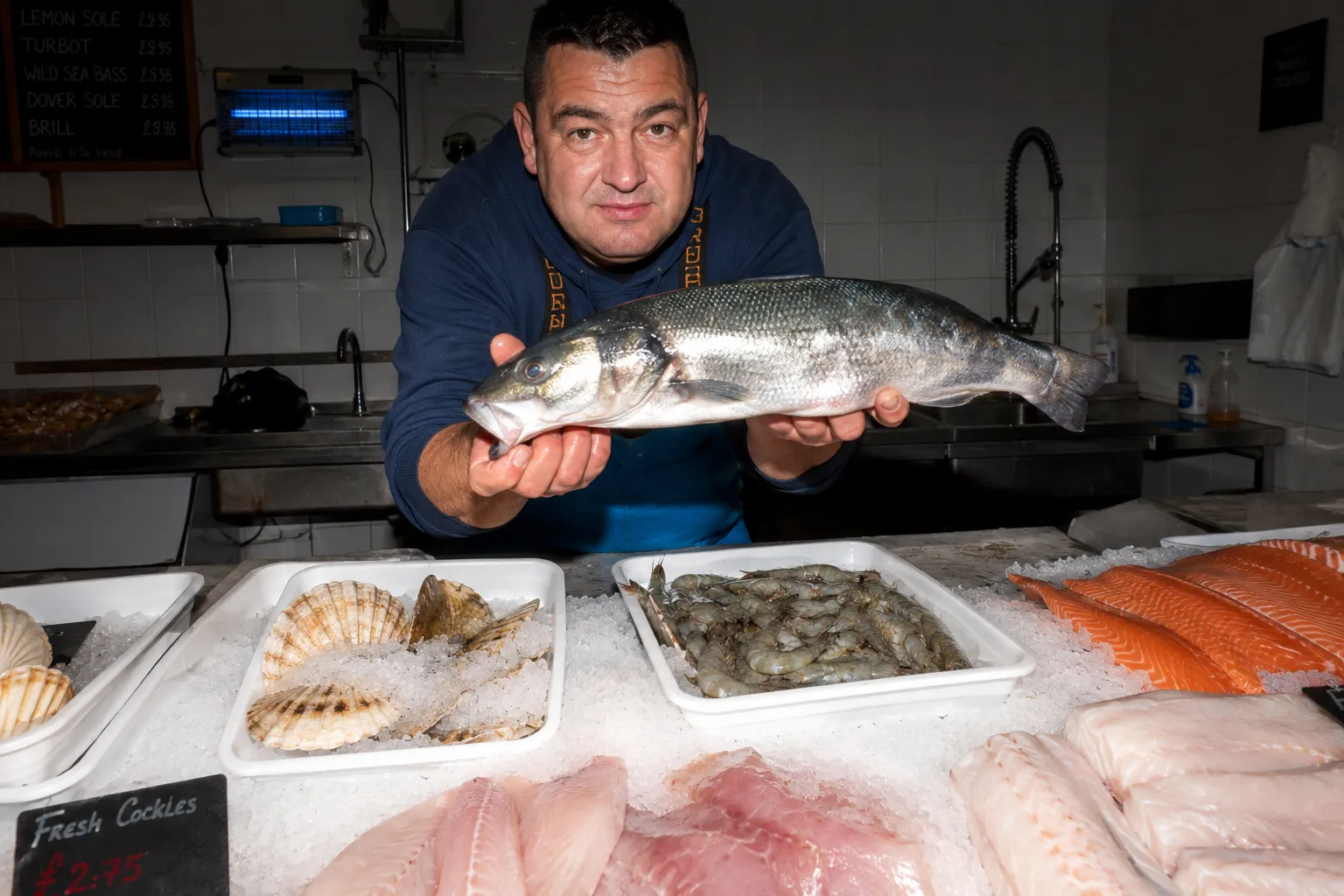
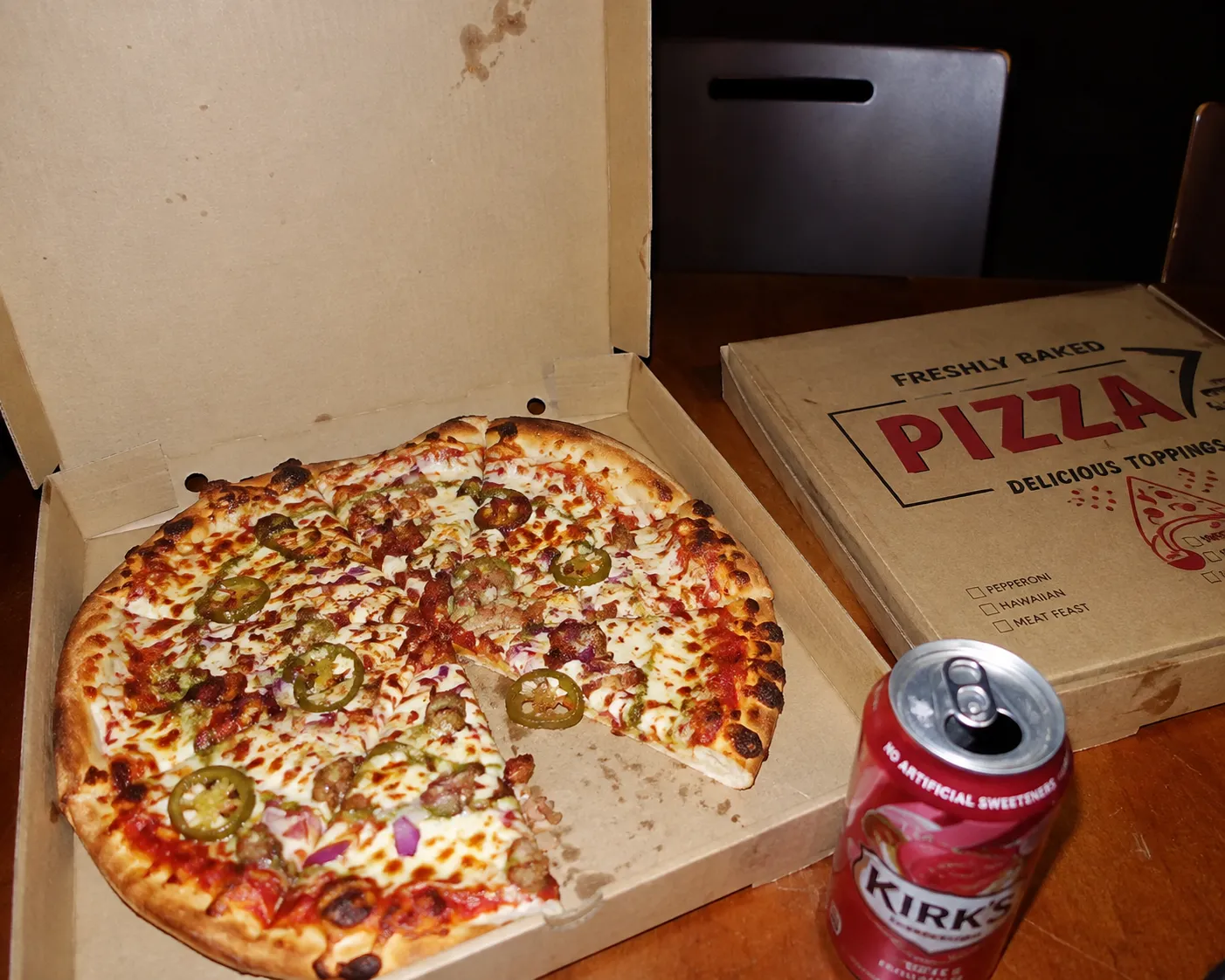
Direct On-Camera Flash is the look of a single hard light fired from the lens axis: the nearest surface blown to a flat glare, a crisp shadow halo pinned right behind the subject, and everything a few steps back falling away into darkness. It works in a lit room, on a street, or in daylight as fill. Best for candid portraits, food, product and event work that should look lit by the camera rather than by the room.

Colors

Color Temperature
Mixed
Saturation Range
High saturation on flash-lit planes; rapidly muted through falloff
Contrast Strategy
High contrast
Color Dominance
Subject-dominant
Shadow Color
Ambient only
Black & White Point
Crushed blacks + Pure white

Typography

Text Presence
Optional
Text Visual Role
Integrated into imagery
Text Integration
Overlaid

Spatial Structure & Hierarchy

Focal Structure
Primary + secondary
Hierarchy Clarity
Strong
Symmetry
Asymmetrical balance
Balance Type
Tension-based
Layout Axis
Gridless
Plane Separation Method
Scale, Color/value shift, Shadow
Visual Density
Balanced

Guardrails

Common Artifacts to Avoid
Heavy Bokeh / Blur, Lens Flare, Film Grain / Noise, Stylistic filters, Studio Post-processing
Avoided Visuals
bounced flash; diffused flash; off-axis lighting; ambient light trails; VHS artefacts; date stamps; heavy red-eye; tidy studio composition
Allowed Visuals
single direct on-camera flash; clipped foreground glare; pinned hard shadows; black falloff backgrounds; candid close framing

Mood & Personality

Mood & Personality
Everyday authenticity, Raw, Documentary realism
Energy Level
Active
Tone Register
Observational
Real-world Accuracy
Precise
Narrative Allowance
Full scene
Characters
Allowed (detailed)

Light & Shadow

Lighting Mood Style
Studio-flat
Key Light Style
Hard
Light Source Type
Artificial
Lighting Direction
Front-lit
Light Source Count
Single
Shadow Type
Hard
Shadow Density
Dense
Fill-light Ratio
No fill
Exposure Bias
Overexposed
Color Grading Style
Natural
Bloom / Glow Usage
None
Lighting Presence
Explicit

Post-processing & Render Style

Tone Curve Shape
Linear
Grain Character
None
Sharpening Style
Natural
Halation
None
Image Treatment
Full-color

Background & Environment

Background Type
Environment
Background–Subject Relationship
Isolated
Background Complexity
Visually extinguished by severe flash falloff
Prop / Set Styling
Found / Raw

Output Format

Creative Discipline
Photography
Medium
Digital
Delivery Mode
Still
Cropping Priority
Close, candid edge cropping; proximity dictated by flash range

Camera and Motion

Camera Shot Size
Close to medium shot
Camera Vertical Angle
Straight-on eye level or slightly above
Depth of Field
Deep focus
Point of View
Candid / Unobserved
Camera Movement
Static
Motion Implication
Static

Surface, Material & Detail

Surface Treatment
Material-simulated
Surface Texture Style
Bleached fine texture on nearest planes; exaggerated relief in mid-distance before darkness
Texture Usage
Photographic
Imperfection Level
Clean
Abstraction Level
Realistic
Micro-detail Allowance
Allowed

References

Temporal Reference
Timeless

Custom Style Items

In-Scene Type Legibility
Near-plane labels, packaging, and signage read sharply; distant text disappears into falloff.
On-Axis Flash Geometry
Single unmodified lamp at lens axis; hard shadow halo stays pinned directly behind subject.
Inverse-Square Falloff
Nearest plane clips; one metre back exposes correctly; background becomes nearly black within a few metres.
Candid Composition
Close frontal framing; half-turned subjects, careless edge crops, and nearer figures dominate exposure.
Specular Behavior
Glossy, wet, glass, plastic, foil, and painted surfaces return clipped head-on hotspots.
© 2026 StyleRef. All rights reserved.