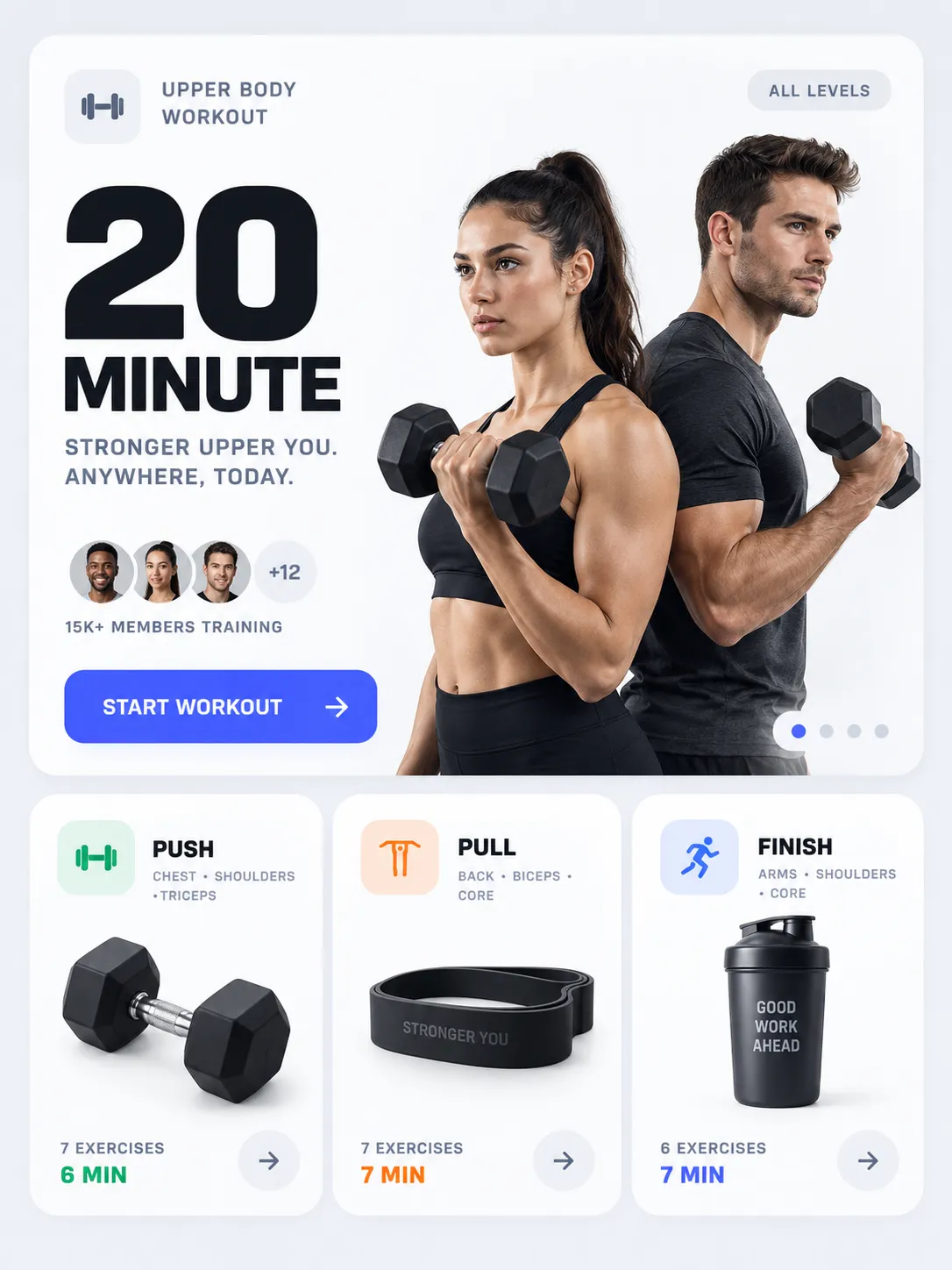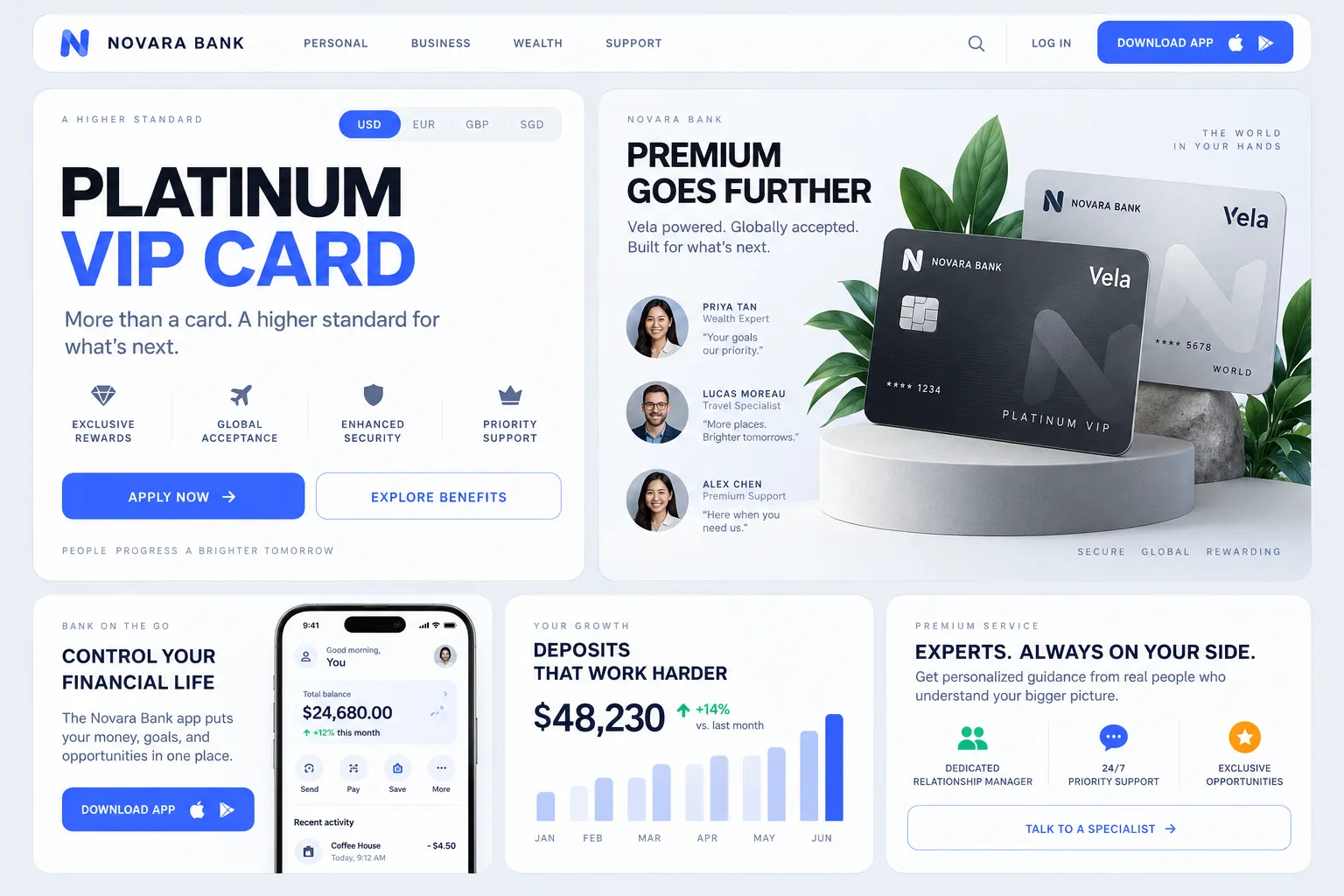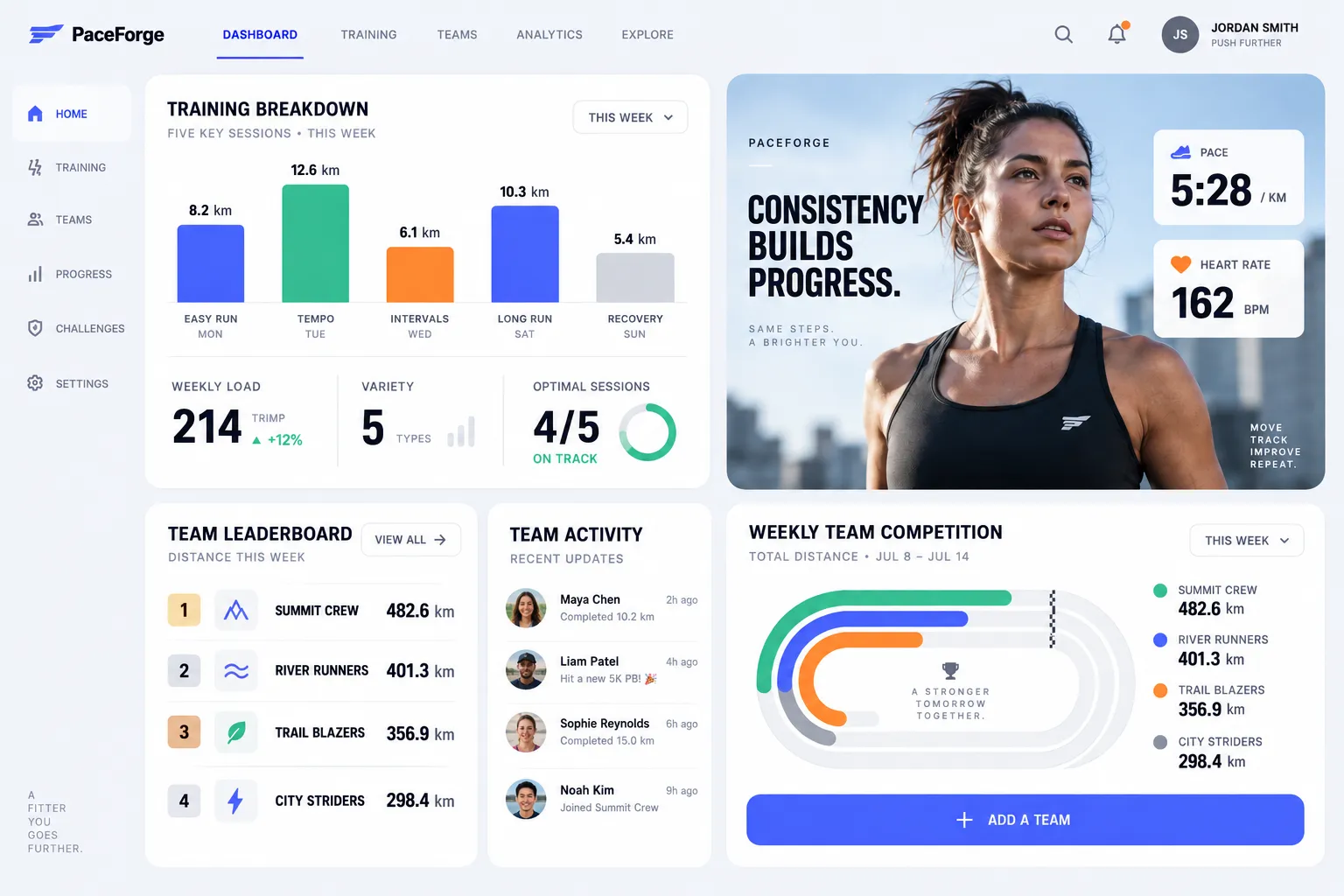
Bento Tile Dashboard

StyleRef·@styleref·
Extract your style to start building your Style Board.

Description

An asymmetric grid of unequal rounded tiles, each holding exactly one thing — a metric, a chart, a control, a photograph. Built for dashboards and overview screens where a dozen unrelated facts have to sit together and still read.

Voice & Language

Formality
Professional
Vocabulary Level
Conversational
Directness
Clear
Sentence Length
Short
Metaphor Density
Factual
Writing Perspective
Second person (you)
Copy Pacing
Punchy

Spatial Structure & Hierarchy

Grid System
Modular grid
Symmetry
Asymmetrical balance
Hierarchy Clarity
Moderate
Focal Structure
Double- or triple-size hero tile leads; remaining tiles form a gapless overview
Visual Density
Comfortable
Perspective Style
Flat

Line & Stroke System

Stroke Usage
Structural outlines
Stroke Weight
Hairline
Stroke Color
Neutral

References

Cultural References
Minimalism, Bento box layout
Temporal Reference
Contemporary

Guardrails

Avoided Visuals
uniform equal-size tiles; multi-message tiles; mismatched corner radii; persistent card shadows; decorative gradient washes
Allowed Visuals
unequal tile spans; one message per tile; identical gutters and radii; flat tile resting states; contextual accent tints

Custom Style Items

Tile Span Logic
Every tile spans one, two, four, or six cells within a twelve-column grid.
Single-Idea Rule
Each tile contains one metric, chart, control, photograph, or screenshot—never competing content.
Load Sequence
Stagger tile entrances one grid cell at a time; chart values count up once, then remain still.
Dark Mode Treatment
Near-black page background with lifted charcoal tiles; retain contextual accents and strong ink-to-surface contrast.

Output Format

Creative Discipline
UI/UX
Medium
Digital
Delivery Mode
Interactive
Platform
Web

UI & Web

Color Theme
Light
Background Tone
Cool light gray
Accent Strategy
Workflow / contextual accents
Semantic Colors
Full set (error / warning / success / info)
Layout Archetype
Dashboard
Content Width
Wide container (1280–1440px)
Surface Layers
Two-layer (page + card)
Elevation Approach
Mixed
Shadow Technique
Multi-layer stack
Border Philosophy
Hairline (0.5–1px, low opacity)
Corner Radius Scale
Large (16–24px)
Card Style
Hairline-bordered, flat at rest; soft shadow only on hover
Data Display Style
Card grid
Data Visualization Style
Bold KPI numerals with tile-scaled sparklines, donuts, and bar sets
UI Imagery
Product screenshots and 3D renders; illustration only for empty states
Empty State Style
Illustration + CTA
Hover Treatment
Scale + shadow
Focus Ring Style
Colored outline
Animation Philosophy
Functional only
Transition Speed
Standard (200–300ms)

Mood & Personality

Mood & Personality
Confident, Clean, Minimalist
Energy Level
Active
Emotional Bias
Neutral
Representation Mode
Literal
Real-world Accuracy
Precise

Light & Shadow

Lighting Presence
Implied
Shadow Type
Soft

Colors

#F2F3F735%Usage: Page background
#FFFFFF30%Usage: Tile surfaces
#14161D15%Usage: Primary typography
#6970868%Usage: Secondary typography
#4B5BFF4%Usage: Contextual indigo
#12B9813%Usage: Success accents
#FF8A3D3%Usage: Warning accents
#E3E6EF2%Usage: Hairline borders
Palette Size
6–8 colors
Color Temperature
Cool
Contrast Strategy
Value contrast
Color Dominance
Background-dominant
Gradient Policy
No gradients
Accessibility Level
WCAG AA

Typography

Medium, Semibold, Aa, Bb, Typography
Font FamilyGeometric sans
Font WeightsMedium, Semibold, Bold
Type ScaleModular
Text Case
Uppercase, tightly tracked tile labels; oversized values
Font Pairing Strategy
Weight contrast
Hierarchy
Strong contrast
Text Presence
Required
Text Visual Role
Secondary visual element

Container / Boundary

Container presence
Explicit (shape mask)
Container shape
Rounded square
Corner treatment
Medium radius
Container Dominance
Primary visual identity
Padding rules
Generous
Edge behavior
Tile-contained content; imagery and renders may bleed to the tile edge

Shape Language

Shape Basis
Geometric
Primitive Dominance
Rectangles
Edge Sharpness
Soft
Curve Consistency
Uniform radius
Negative Space Usage
Balanced

Surface, Material & Detail

Surface Treatment
Matte
Surface Texture Style
Smooth
Texture Usage
None
Transparency / Opacity
Opaque

Background & Environment

Background Type
Solid color
Background Complexity
Minimal
© 2026 StyleRef. All rights reserved.