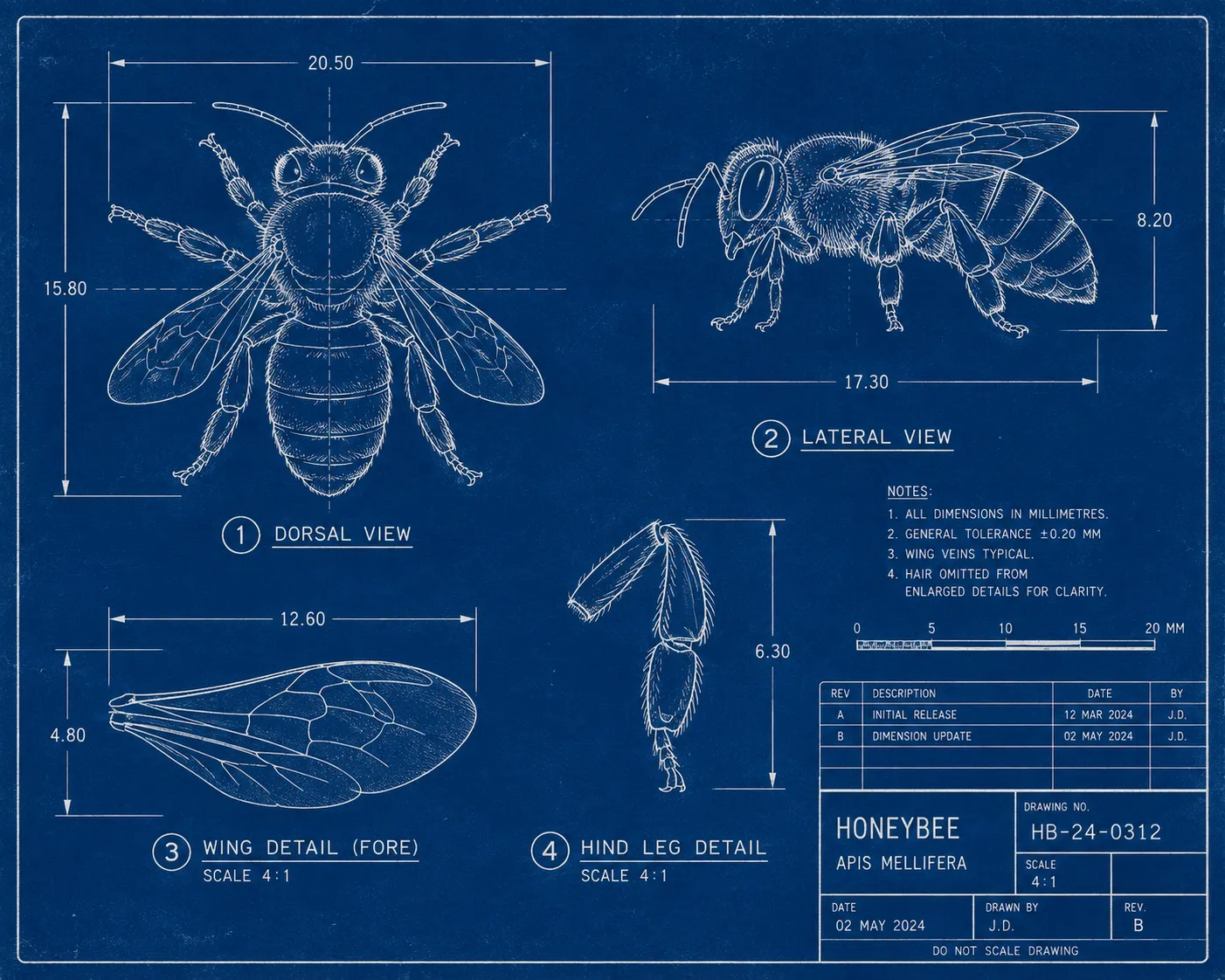
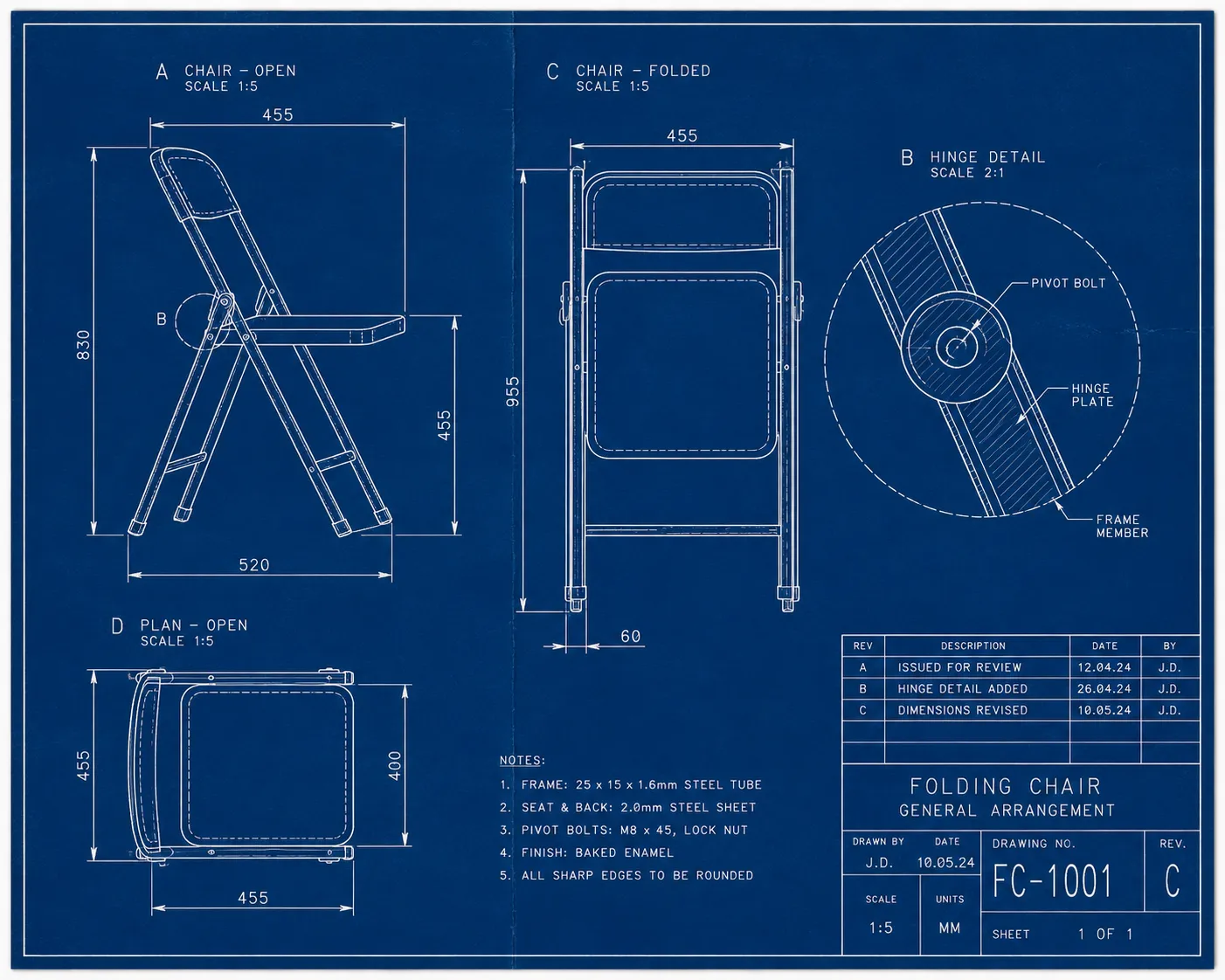
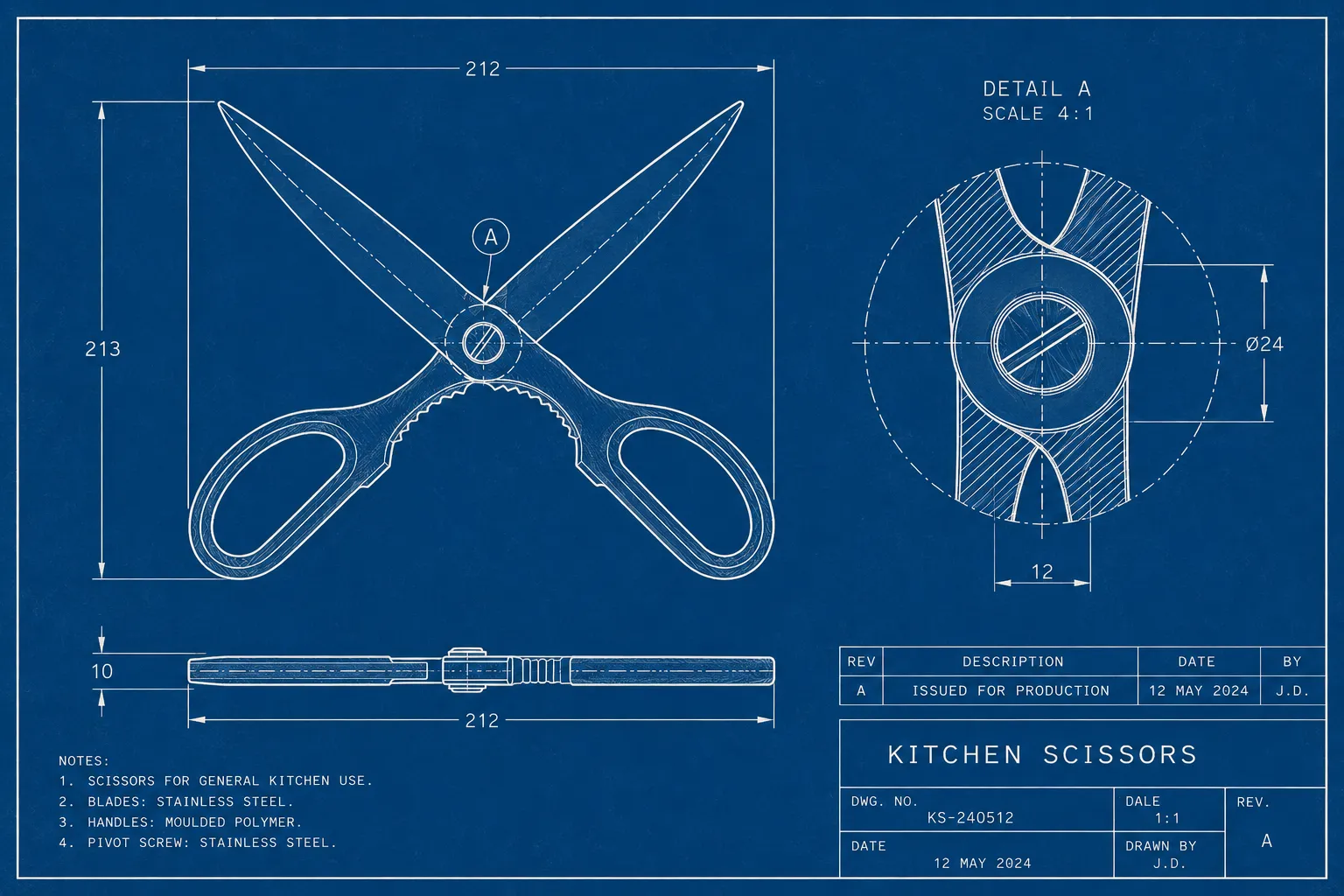
White-Line Blueprint Drafting

StyleRef·@styleref·
STYLE REFERENCE — HARD CONSTRAINT (HIGHEST PRIORITY) This style must be applied to ALL generated content (text, image, video). If any part of the request conflicts with this style, the style OVERRIDES the request. STYLE DEFINITION (to be operationally enforced): White-Line Blueprint Drafting • Output Format: Creative discipline: Graphic design; Print; Poster-scale; Canvas Behavior: Strict frame (nothing escapes). • Container / Boundary: Container: Explicit (shape mask); Container shape: Card; Sharp Corners; Container Dominance: Neutral frame; Padding: 10% white background surrounding the card; Edge Behavior: Content fully contained. • Mood & Personality: Clean, Serious, Authoritative, Industrial, Documentary realism; Energy: Steady; Representation mode: Literal; Real-world accuracy: Precise. • Colors: Palette: Solid Colors: [ #003B6F 90% (Duotone: Ground), #F5FAFF 10% (Linework)]; Duotone; Cool temperature; Saturation: Rich; High contrast; No gradients; Color dominance: Background-dominant. • Typography: Single-stroke drafting lettering; Regular; Text case: ALL CAPS; Font pairing: Single family; Hierarchy: Subtle contrast; Normal (1.4); Letter spacing: Wide; Text presence: Required; Text visual role: Secondary visual element; Text integration: Embedded in shapes. • Light & Shadow: Lighting presence: None (flat); Shadow type: None. • Spatial Structure & Hierarchy: Flat perspective; Multiple equal focal structure; Hierarchy: Strong; Symmetry: Asymmetrical balance; Balance: Evenly distributed; Layout axis: Gridless; Grid system: Engineering-sheet orthographic layout; plan, elevation, section, and detail views positioned by drafting convention; Visual density: Balanced. • Surface, Material & Detail: Material simulation: Paper; Surface treatment: Matte; Texture: Subtle cyanotype coating mottling, pale edge falloff, fold rub, pinholes, and slight line bloom; Texture usage: Subtle noise; Imperfection level: Used; Age of surface: Aged; Micro-detail allowance: Allowed. • Shape Language: Geometric; Primitive dominance: Rectangles, Circles, Polygons; Edge sharpness: Razor-sharp; Silhouette clarity: Recognizable; Negative space usage: Balanced; Angle usage: Frequent. • Line & Stroke System: Structural outlines; Variable; Strict hierarchy: heavy cut edges, medium visible outlines, thin dashed hidden edges, long-short chain centre lines consistency; Stroke Color: Contrasting accent; Stroke joins: Miter. • Background & Environment: Background type: Solid color; Background–Subject: Integrated; Background complexity: Minimal. • Artistic Mediums & Techniques: Physical medium: Cyanotype; Illustrative technique: Orthographic technical drafting; 45-degree section hatching; dimensioning and keyed detail callouts. • References: Cyanotype blueprint, nineteenth- to mid-twentieth-century engineering drawing convention; Temporal reference: Mid-nineteenth century to mid-twentieth century. • Guardrails: Avoid: AI Gloss / Plastic Smoothing, Heavy Bokeh / Blur, Lens Flare, HDR over-processing, Over-saturation, Studio Post-processing, Stylistic filters; Avoid Visuals: blue line on white ground; sci-fi interface graphics; glowing lines; scan-lines; photographic backgrounds; tonal shading; isometric views; coloured faces; parallelogram shadows; engraved scientific illustration; Avoid Colors: multicolour palettes; gradients; tonal midtones; neon cyan glow; Avoid Layouts: administrative specification-sheet layouts; pictorial composition; floating text; unruled typography; Allowed Visuals: high-contrast pale linework; saturated ground; ruled inset border; lower-right title block; extension lines; arrowheads; 45-degree hatching; dashed hidden lines; chain-dashed centre lines; circled detail callouts; optional red revision marks. • Drafting Sheet Structure: Inset ruled border; lower-right title block with drawing number, scale, date, drawn-by, and revision; revision table stacked above when needed., Dimensioning Logic: Dimensions sit outside objects on thin extension lines; arrowheads at both ends; numeral breaks the dimension line at midpoint., Section Convention: Every cut section receives evenly spaced 45-degree hatching; solidity is never described with shading., Type Placement: Short, letterspaced labels and numerals only; contained within title-block cells, dimension breaks, or circled detail bubbles., Enamel Pin Translation: Use a hard-enamel-like, saturated ground with recessed pale technical linework, raised metal-style borders, and simplified legible drafting symbols.. ENFORCEMENT RULE: Before finalizing the output, internally verify that ALL elements comply with the style definition above. If compliance is uncertain, simplify or soften the output until it fully matches the style. Generated by StyleRef.io

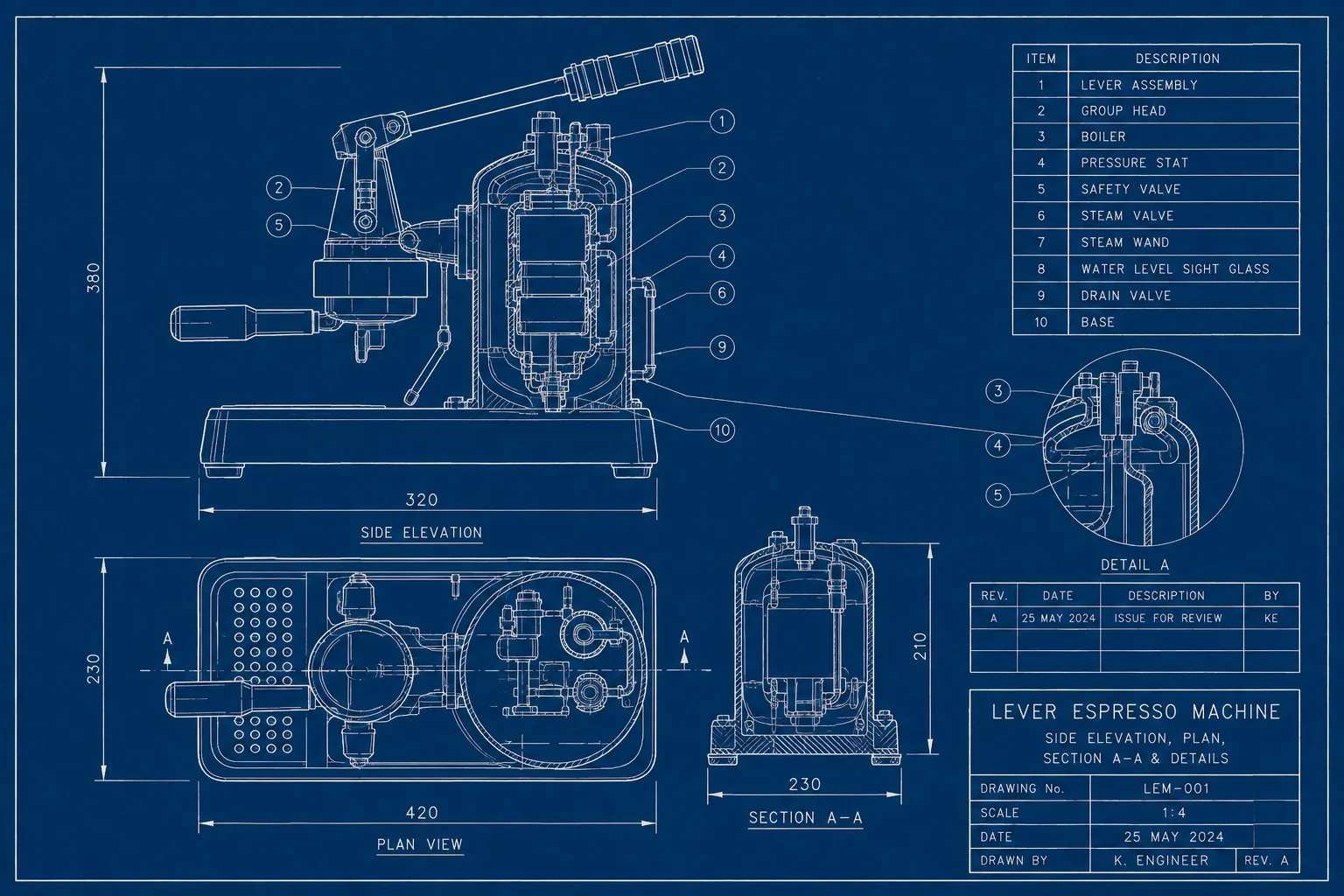
Description

The look of a contact print pulled off a drafting original: every line comes back white on a saturated process blue, with dimension arrows on extension lines, evenly hatched section cuts and a ruled title block in the lower corner. Line weight does all the work — there is no shading, no gradient and no second colour. It suits posters, covers, packaging and identities that should read as engineered rather than drawn.

Colors

#003B6F90%Usage: Duotone: Ground
#F5FAFF10%Usage: Linework
Palette Size
Duotone
Color Temperature
Cool
Saturation Range
Rich
Contrast Strategy
High contrast
Gradient Policy
No gradients
Color Dominance
Background-dominant

Typography

Aa, Bb, Typography
Font FamilySingle-stroke drafting lettering
Line HeightNormal
Font WeightsRegular
Letter SpacingWide
Text Case
ALL CAPS
Font Pairing Strategy
Single family
Hierarchy
Subtle contrast
Text Presence
Required
Text Visual Role
Secondary visual element
Text Integration
Embedded in shapes

Light & Shadow

Lighting Presence
None (flat)
Shadow Type
None

Shape Language

Shape Basis
Geometric
Primitive Dominance
Rectangles, Circles, Polygons
Edge Sharpness
Razor-sharp
Silhouette Clarity
Recognizable
Negative Space Usage
Balanced
Angle Usage
Frequent

References

Cultural References
Cyanotype blueprint, nineteenth- to mid-twentieth-century engineering drawing convention
Temporal Reference
Mid-nineteenth century to mid-twentieth century

Mood & Personality

Mood & Personality
Clean, Serious, Authoritative, Industrial, Documentary realism
Energy Level
Steady
Representation Mode
Literal
Real-world Accuracy
Precise

Surface, Material & Detail

Material Simulation
Paper
Surface Treatment
Matte
Surface Texture Style
Subtle cyanotype coating mottling, pale edge falloff, fold rub, pinholes, and slight line bloom
Texture Usage
Subtle noise
Imperfection Level
Used
Age of Surface
Aged
Micro-detail Allowance
Allowed

Line & Stroke System

Stroke Usage
Structural outlines
Stroke Weight
Variable
Stroke Consistency
Strict hierarchy: heavy cut edges, medium visible outlines, thin dashed hidden edges, long-short chain centre lines
Stroke Color
Contrasting accent
Stroke Joins
Miter

Artistic Mediums & Techniques

Physical Medium
Cyanotype
Illustrative Technique
Orthographic technical drafting; 45-degree section hatching; dimensioning and keyed detail callouts

Guardrails

Common Artifacts to Avoid
AI Gloss / Plastic Smoothing, Heavy Bokeh / Blur, Lens Flare, HDR over-processing, Over-saturation, Studio Post-processing, Stylistic filters
Avoided Visuals
blue line on white ground; sci-fi interface graphics; glowing lines; scan-lines; photographic backgrounds; tonal shading; isometric views; coloured faces; parallelogram shadows; engraved scientific illustration
Avoided Colors
multicolour palettes; gradients; tonal midtones; neon cyan glow
Avoided Layouts
administrative specification-sheet layouts; pictorial composition; floating text; unruled typography
Allowed Visuals
high-contrast pale linework; saturated ground; ruled inset border; lower-right title block; extension lines; arrowheads; 45-degree hatching; dashed hidden lines; chain-dashed centre lines; circled detail callouts; optional red revision marks

Output Format

Creative Discipline
Graphic design
Medium
Print
Scaling Expectation
Poster-scale
Canvas Behavior
Strict frame (nothing escapes)

Container / Boundary

Container presence
Explicit (shape mask)
Container shape
Card
Corner treatment
Sharp
Container Dominance
Neutral frame
Padding rules
10% white background surrounding the card
Edge behavior
Content fully contained

Spatial Structure & Hierarchy

Perspective Style
Flat
Focal Structure
Multiple equal
Hierarchy Clarity
Strong
Symmetry
Asymmetrical balance
Balance Type
Evenly distributed
Layout Axis
Gridless
Grid System
Engineering-sheet orthographic layout; plan, elevation, section, and detail views positioned by drafting convention
Visual Density
Balanced

Background & Environment

Background Type
Solid color
Background–Subject Relationship
Integrated
Background Complexity
Minimal

Custom Style Items

Drafting Sheet Structure
Inset ruled border; lower-right title block with drawing number, scale, date, drawn-by, and revision; revision table stacked above when needed.
Dimensioning Logic
Dimensions sit outside objects on thin extension lines; arrowheads at both ends; numeral breaks the dimension line at midpoint.
Section Convention
Every cut section receives evenly spaced 45-degree hatching; solidity is never described with shading.
Type Placement
Short, letterspaced labels and numerals only; contained within title-block cells, dimension breaks, or circled detail bubbles.
Enamel Pin Translation
Use a hard-enamel-like, saturated ground with recessed pale technical linework, raised metal-style borders, and simplified legible drafting symbols.
© 2026 StyleRef. All rights reserved.