AI Style Infrastructure

Every AI output, in your Style.
Defined once, use it everywhere.

Your style, captured as 160+ structured blocks across color, type, mood, and voice. Paste it into any AI tool.

Extract My Style — FreeNo account needed · start in seconds
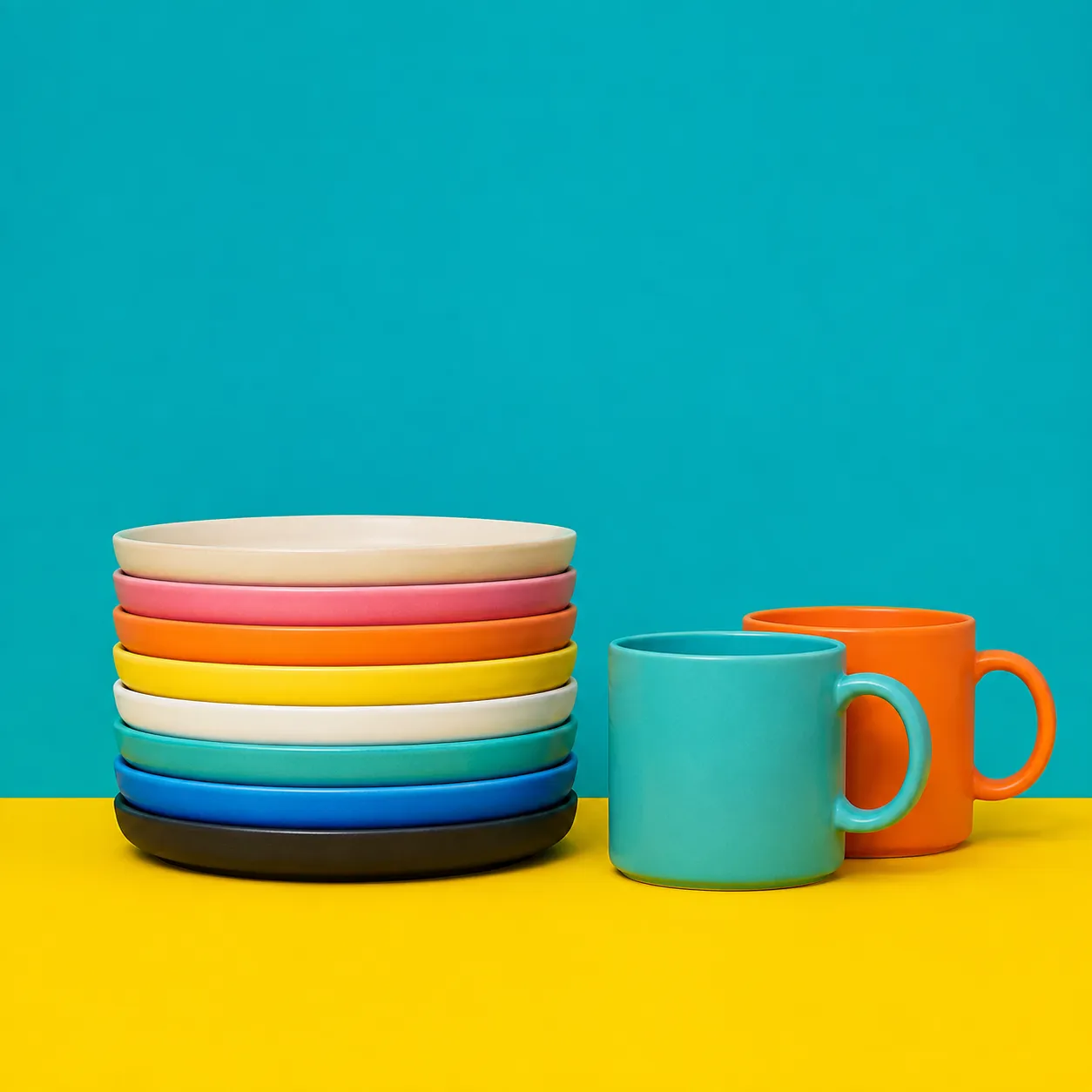
Reference: a stack of rainbow plates and two mugs on a yellow floor against a teal wallREF 1
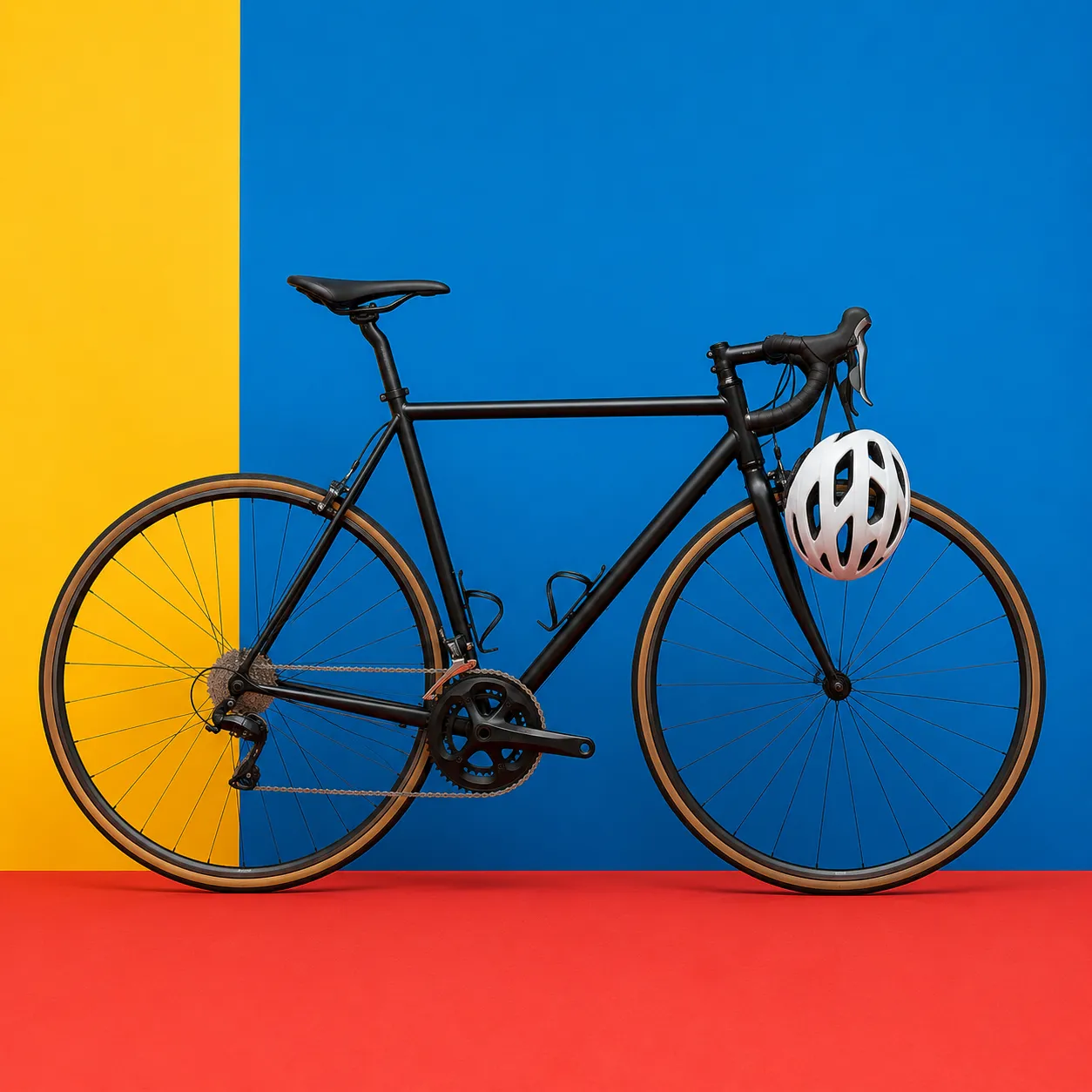
Reference: a black road bike in front of flat yellow and blue colour fieldsREF 3
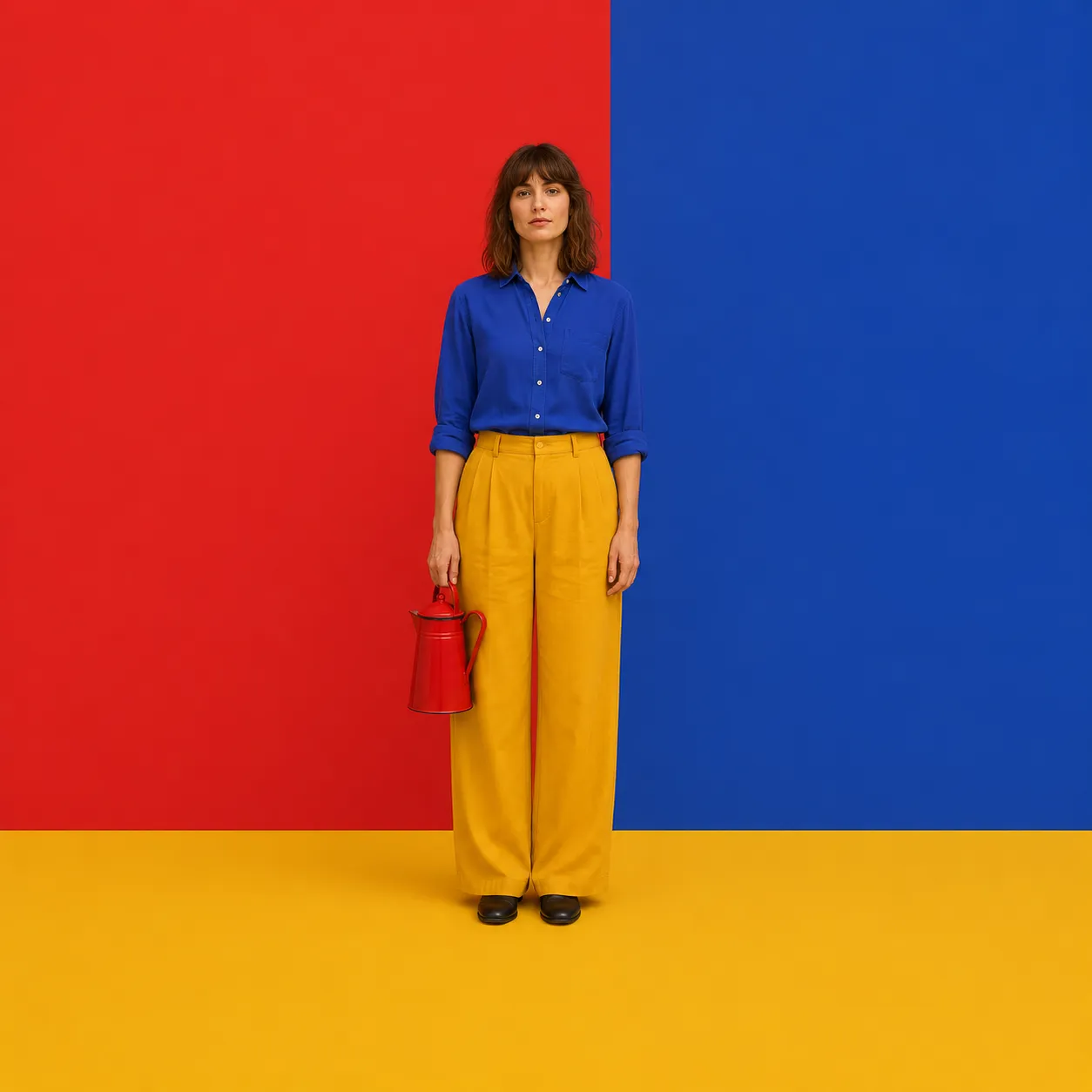
Reference: a woman in a cobalt shirt and mustard trousers between flat red and blue walls on a yellow floorREF 2

STYLE REFERENCE — HARD CONSTRAINT (HIGHEST PRIORITY)STYLEREF.IO
Colour-Blocked Studio Set

PHOTOGRAPHY · 1:1 · SQUARE-ON · 101 STYLE ITEMS · 14 SECTIONS

#FF6BCE#00B5B8#CB997E#006EFF#000000#FFC800#61C200#FF8000#FF0000

Output Format

  • Creative discipline Photography
  • Digital
  • Delivery mode Still
  • Ratio 1:1 (Square)
  • Cropping Center

Mood

  • Bold, Clean, Confident, Playful
  • Minimalist
  • Energy Vibrant
  • Emotional bias Positive
  • Real-world accuracy Precise
  • Minimal narrative
  • Characters Allowed (detailed)

Colors

  • 3–5 colors
  • Saturation Vivid
  • Hue contrast
  • Hue relationships Complementary
  • No gradients
  • Color dominance Balanced

Light & Shadow

  • Lighting mood style Studio-flat
  • Key light style Diffused
  • Artificial
  • Light source count Multiple
  • Shadow type Soft
  • Shadow density Light
  • Fill-light ratio Flat fill
  • Exposure bias Balanced
  • Lighting presence Explicit
  • Color grading style Natural skin
  • colour comes exclusively from physical painted set surfaces, never coloured light or gels

Composition

  • Flat perspective
  • Single focal structure
  • Hierarchy Strong
  • Symmetry Near symmetry
  • Balance Center-weighted
  • Layout axis Horizontal
  • Plane separation Color/value shift
  • Visual density Airy

Surface & material

  • Material simulation Paper
  • Surface treatment Matte
  • Texture Textureless painted paper and board fields
  • sharp natural detail reserved for skin, hair, fabric, and props
  • Texture usage Photographic
  • Transparency Opaque
  • Imperfection level Clean
  • Stylized realism
  • Micro-detail allowance Allowed
  • Micro-detail types Visible skin texture, Fabric weave realism, Natural imperfections

Camera

  • Full shot
  • Eye level
  • DOF Deep focus
  • Lens type Standard
  • Focal length feel Normal
  • Point of view Objective
  • Camera movement Static
  • Motion implication Static

Shape Language

  • Geometric
  • Primitive dominance Rectangles
  • Edge sharpness Razor-sharp
  • Silhouette clarity Recognizable
  • Negative space usage Dominant
  • Angle usage Limited

Post-processing

  • Tone curve Linear
  • Sharpening Crisp
  • Image treatment Full-color

Background

  • Background type Solid color
  • Environment mood Studio
  • Background–Subject Integrated
  • Background complexity Minimal
  • Prop styling Curated

References

  • De Stijl, Bauhaus, Mid-Century Modern
  • Memphis Design
  • Temporal reference Contemporary
  • Reference Brands Mid-century advertising
  • Memphis-era studio still life

Guardrails

  • Avoid Lens Flare, Heavy Bokeh / Blur, Film Grain / Noise, HDR over-processing, Over-saturation
  • Stylistic filters
  • Avoid Visuals coloured gel lighting
  • coloured rim light
  • light spill
  • blended grounds
  • vignetting
  • theatrical shadows
  • busy prop clutter
  • dark unlit gaps
  • subject fully camouflaged against background
  • Allowed Visuals matte painted flats
  • seamless paper
  • uniform saturated colour planes
  • clean hard seams
  • square-on compositions
  • soft attached grounding shadow
  • shape-led props
  • natural skin texture

Flat-Value Rule

  • Every colour field holds one uniform edge-to-edge value
  • no falloff, gradient, or edge brightening
  • Seam Composition Wall-floor joins and flat-to-flat seams act as deliberate horizontal or vertical compositional lines
  • Camera Alignment Square-on camera
  • built planes remain parallel to the sensor and frame edges
  • Subject Integration Wardrobe and props continue the set palette while retaining enough separation for the subject to read clearly
  • Naturalistic Exception Skin is the sole untreated naturalistic surface against the constructed flat-colour set

READ FROM 3 REFERENCESPASTE INTO ANY AI TOOL
Add it to any prompt.

Paste your StyleRef into the AI tool you already use, then prompt anything. Three different prompts — one style.

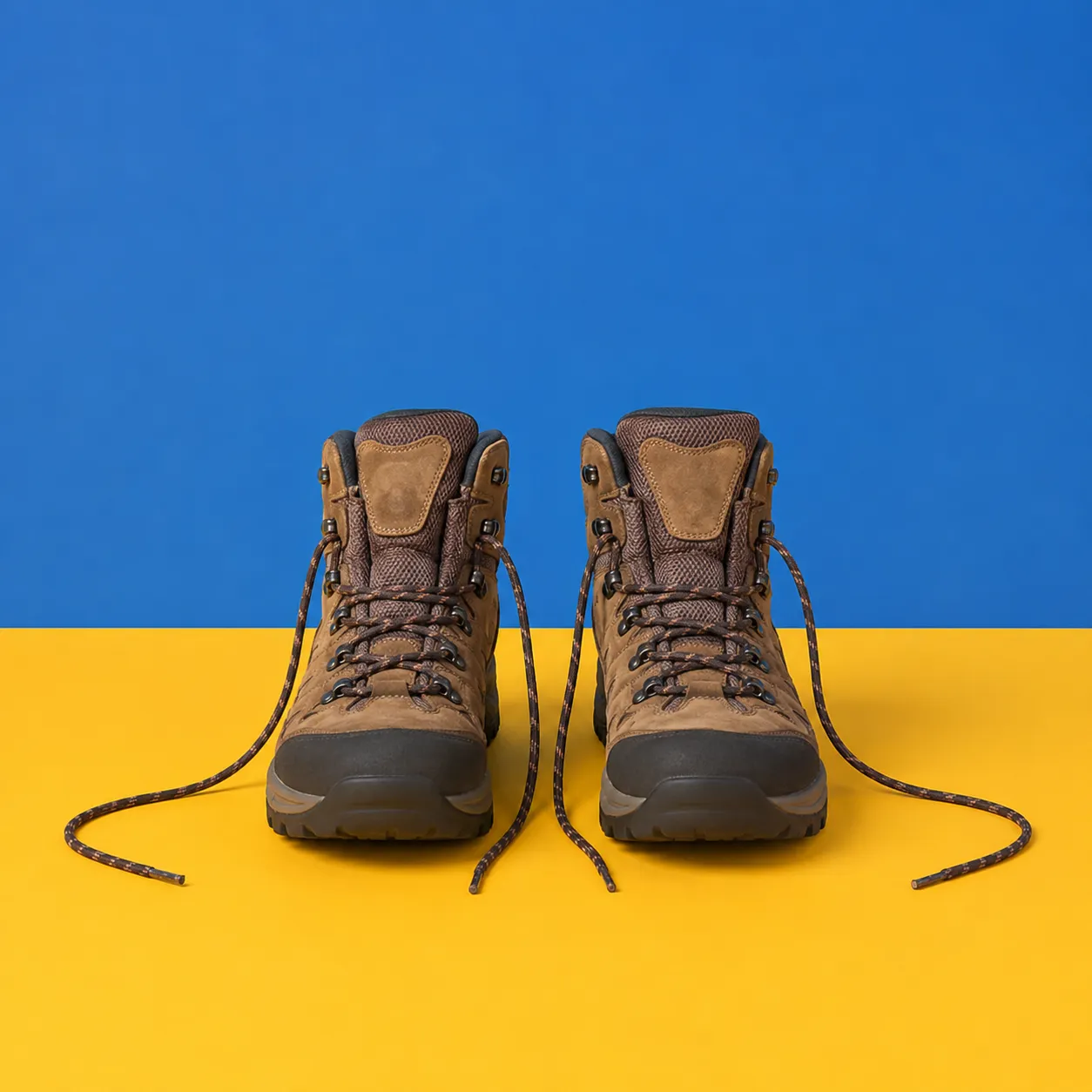
Walking boots with trailing laces on a yellow floor against a cobalt wall
Prompt 1A pair of walking boots side by side with the laces untied and trailing.
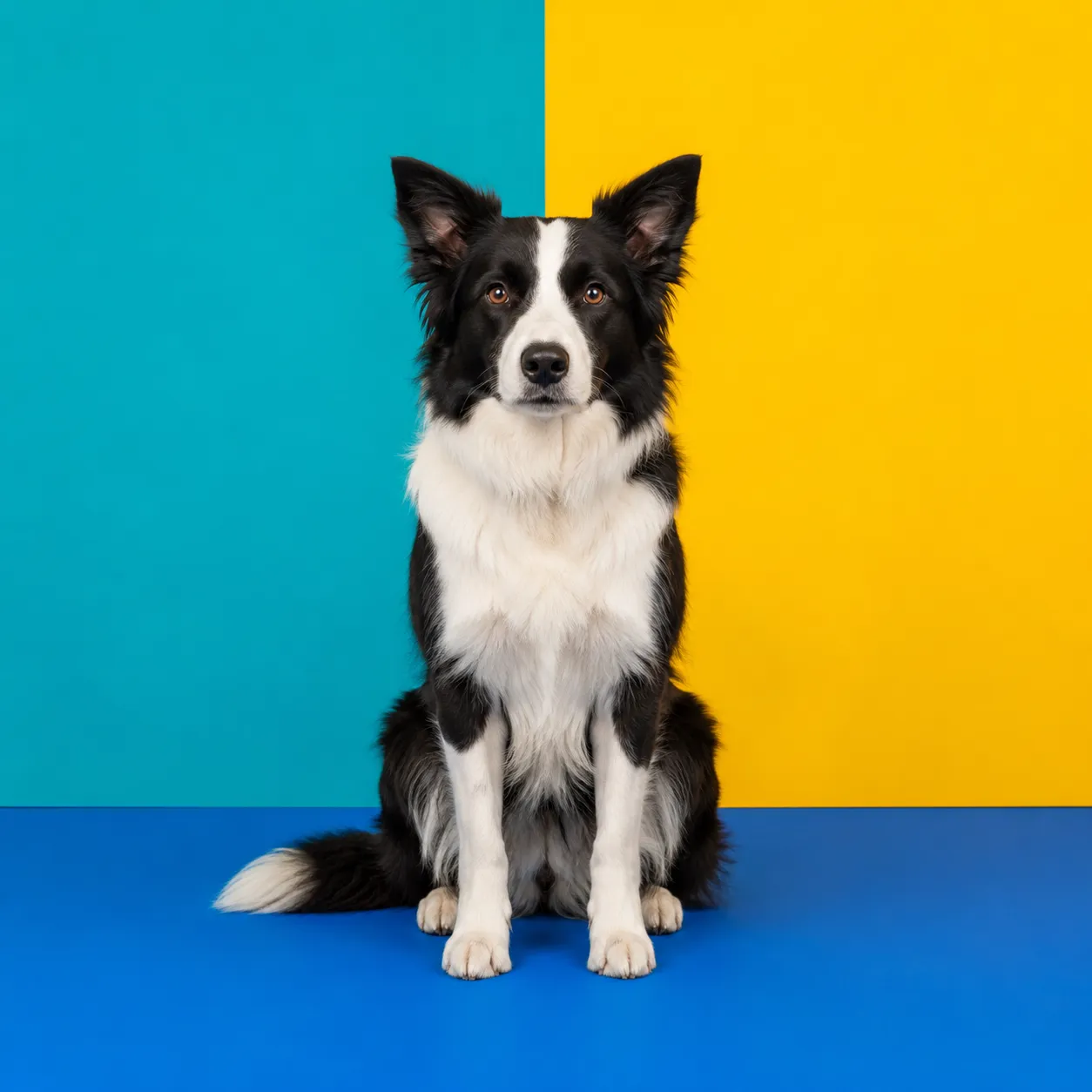
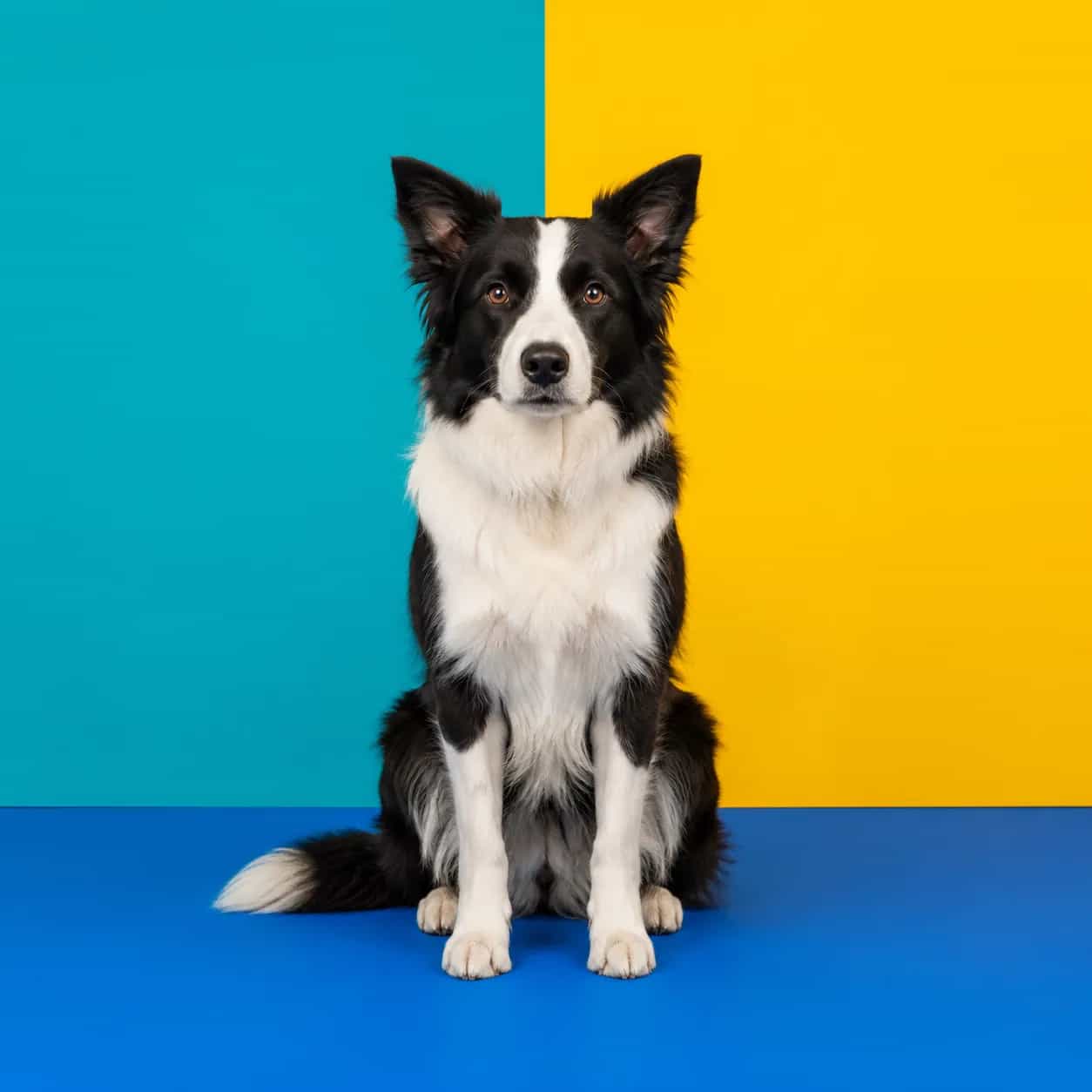
A border collie sitting upright in front of a teal and yellow split wall on a blue floor
Prompt 2A border collie sitting upright and facing the camera with its ears forward.
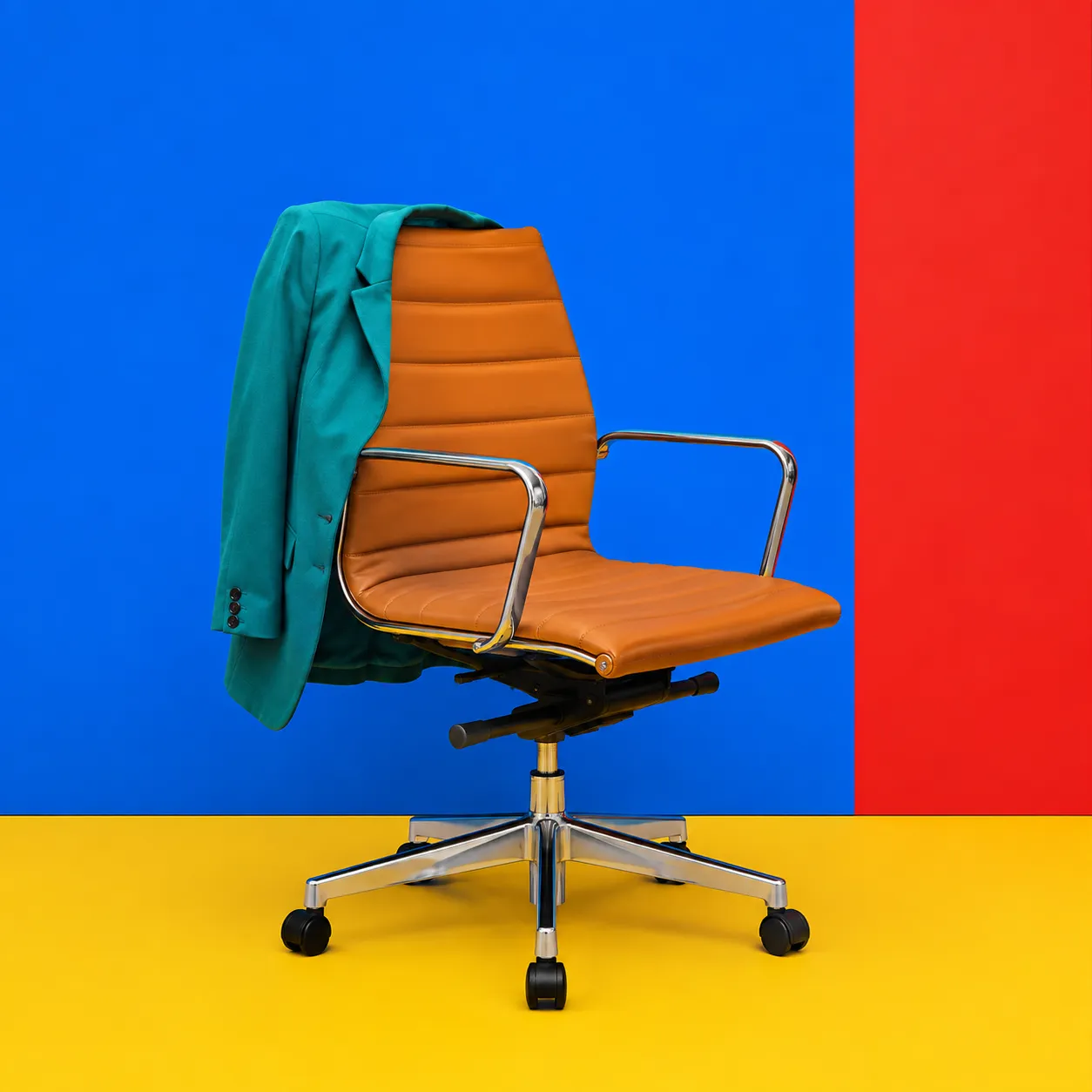
A tan swivel office chair with a green jacket, against flat blue and red walls
Prompt 3A swivel office chair turned three-quarters toward the camera with a jacket over its back.
StyleRef addedColour-Blocked Studio SetYour AI tool

A swivel office chair turned three-quarters toward the camera with a jacket over its back.

Generate
Extract My Style — FreeConsistent style in generated images.

01One spec, every tool

Define Style Once.
Use Everywhere.

A StyleRef is your style, written down as rules — exact hex values with proportions, named type classes, light, composition and an avoid list — marked as a hard constraint so the model reads rules instead of a mood.

You build it once, from a reference or by hand, and reuse it in every chat, every week, every tool.

  • Model-Optimized
  • Copy-Paste Portable
  • STYLE.md Export
What you paste
STYLE REFERENCE — HARD CONSTRAINT (HIGHEST PRIORITY)

This style must be applied to ALL generated content (text, image, video).
If any part of the request conflicts with this style, the style OVERRIDES the request.

Colour-Blocked Studio Set
 • Output Format: Photography; Digital; Still; 1:1 (Square); Cropping: Center.
 • Mood & Personality: Bold, Clean, Confident, Playful, Minimalist; Energy: Vibrant.
 • Colors: Solid Colors: [#ff6bce 11%, #00b5b8 11%, #CB997E 11%, #006eff 11% …]; 3–5 colors; Vivid; No gradients.
 • Light & Shadow: Studio-flat; Diffused; colour comes exclusively from physical painted set surfaces, never coloured light or gels.
 • Guardrails: Avoid gel lighting, vignetting, blended grounds, busy prop clutter …
  • ChatGPT
  • Claude
  • Gemini
  • Midjourney
  • Flux

160+ Style Blocks across 20 sections

The machine above filled 101 of them from three images.

  1. 01Output Format
  2. 02Mood & Personality
  3. 03Colors
  4. 04Typography
  5. 05Light & Shadow
  6. 06Voice & Language
  7. 07Spatial Structure
  8. 08Camera & Motion
  9. 09Shape Language
  10. 10Container & Boundary
  11. 11Line & Stroke System
  12. 12Surface & Material
  13. 13Post-processing
  14. 14Background & Environment
  15. 15Artistic Mediums
  16. 16UI & Web
  17. 17References
  18. 18Inspiration
  19. 19Guardrails
  20. 20Custom Style Items
What each section covers
  • Output FormatMedium, platform, aspect ratio, creative discipline
  • Mood & PersonalityEnergy, emotional bias, narrative, humor register
  • ColorsPalette with hex codes, roles, weights, gradients
  • TypographyFont family, weights, hierarchy, case, scale
  • Light & ShadowLighting mood, key light, atmosphere, film grading
  • Voice & LanguageFormality, vocabulary, sentence length, pacing
  • Spatial StructurePerspective, focal structure, layout axis, density
  • Camera & MotionShot size, angle, DOF, lens, film stock, movement
  • Shape LanguageShape basis, primitives, edges, silhouette
  • Container & BoundaryContainer shape, corners, padding, edge behavior
  • Line & Stroke SystemStroke usage, weight, consistency, joins
  • Surface & MaterialTexture, material simulation, imperfection, micro-detail
  • Post-processingTone curve, grain, sharpening, render style
  • Background & EnvironmentBackground type, environment mood, props
  • Artistic MediumsPhysical medium, illustrative technique
  • UI & WebColor theme, elevation, buttons, icons, navigation
  • ReferencesCultural references, temporal era, reference brands
  • InspirationReference image URLs
  • GuardrailsAvoided visuals, colors, words, conditional logic
  • Custom Style ItemsFree-form key-value pairs for rules that don't fit elsewhere

03Who it’s for

Built For

Creatives who use AI professionally and need their style to stay intact — every generation, every time.

  1. 01

    AI Copywriters

    Lock your voice — prompt after prompt.

  2. 02

    AI Product Designers

    Define your UI/UX design system for AI-generated assets.

  3. 03

    AI Art Directors

    Consistent lighting and mood for high-end AI production.

  4. 04

    AI Graphic Designers

    Your visual language, replicated in every output.

  5. 05

    AI Video + XR

    Persistent style direction for generative video and extended reality. Your visual DNA, across every emerging medium.

Extract My Style — FreeNo account needed · start in seconds

04For agents

Your agents read it too.

Commit a STYLE.md so coding agents build in your style. Connect the MCP server so Claude or Cursor can find, apply and save styles. Or pull any StyleRef from the CLI.

Read about STYLE.md

CLI
# demo style: Colour-Blocked Studio Set — swap in your own ID
npx styleref init bmivnppb-58ff14a99580
MCP server
# Streamable HTTP — Claude, Cursor or any MCP client
https://styleref.io/api/mcp

05FAQ

Frequently Asked Questions

Still unsure? Try it — no account needed.

Extract My Style — Free

What is a StyleRef?

A StyleRef is a structured style specification — a compact, copy-pasteable block of text that defines your creative style across dimensions like tone, color, typography, mood, and constraints. Build it once, paste it into any AI tool.

Does it work with ChatGPT, Claude, and Gemini?

Yes. StyleRef generates model-optimized formats — select 'AI Tools' for ChatGPT and Gemini; 'STYLE.md' for coding agents like Cursor, Codex, Claude Code and projects; 'FLUX' for FLUX image generation; 'Midjourney' for Midjourney.

What is a style block?

Style blocks are the individual building units of a StyleRef. Each block covers a specific dimension of your style — Color Palette, Tone of Voice, Typography, Mood, Output Format. StyleRef includes 160+ blocks across 20 sections.

How is StyleRef different from a system prompt?

A system prompt is a broad instruction. A StyleRef is a structured, machine-readable style specification with enforced priority rules — designed to override default AI tone and aesthetic drift, not just guide it.

Can StyleRef extract a style from an image or document?

Yes. StyleRef includes an extraction feature that analyzes a reference — an image, copy, brand guidelines, or documents — and extracts its characteristics into structured style blocks, ready to reuse in any AI generation.

Is StyleRef free?

StyleRef has a free tier. Paid plans unlock additional style blocks, advanced extraction model, and multiple saved StyleRefs.

Your Style. Structured.
Portable. Persistent.

Build your StyleRef in minutes. Paste it into any AI tool. Get consistent results — time after time.

Create Your StyleRef — FreeNo account needed — start building in seconds
© 2026 StyleRef. All rights reserved.